SHOP MANUAL MT26/31 - 12.2004SHOP MANUAL MT26/31 - 12.2004
GENERAL
CH 0 PAGE 8 CH 0 PAGE 9
GENERAL
SHOP MANUAL MT26/31 - 12.2004SHOP MANUAL MT26/31 - 12.2004
GENERAL
CH 0 PAGE 8 CH 0 PAGE 9
GENERAL
Examples:
• Carbon monoxide present in exhaust fumes
• Nitric oxide - present in exhaust fumes
• Welding fumes, especially from galvanized or
painted metals.
• Oil mist (e.g. in anti-corrosion treatment)
• Sulphuric acid mist
(e.g. when charging batteries)
• Grinding dust and fumes formed when grinding
and heating plastic, varnish, anti-corrosive,
lubricants, paint etc.
Risks
Carbon monoxide reduces the ability of the blood to supply the
brain and other parts of the body with oxygen.
Carbon monoxide poisoning = “Internal asphyxiation”.
Nitric oxides and gases and the fumes from
plastic, varnish, anti-corrosive, lubricants, paint etc. may damage
the lungs.
Oil mist from certain oils may cause skin problems such as
blemishes, boils and eczema.
Sulphuric acid mist is erosive and may damage the windpipe.
Protective measures
Avoid running engine indoors. Immediately attach evacuation
equipment to the exhaust pipe if an engine has to be kept run-
ning indoors.
Also parking heaters admit exhaust fumes when
in operation (portable air evacuator is suitable).
Use plastic gloves and breathing protection if there is a risk of
oil mist (e.g. anti-corrosion treatment). Before start of work, treat
unprotected skin with protective cream that does not dissolve in
oil.
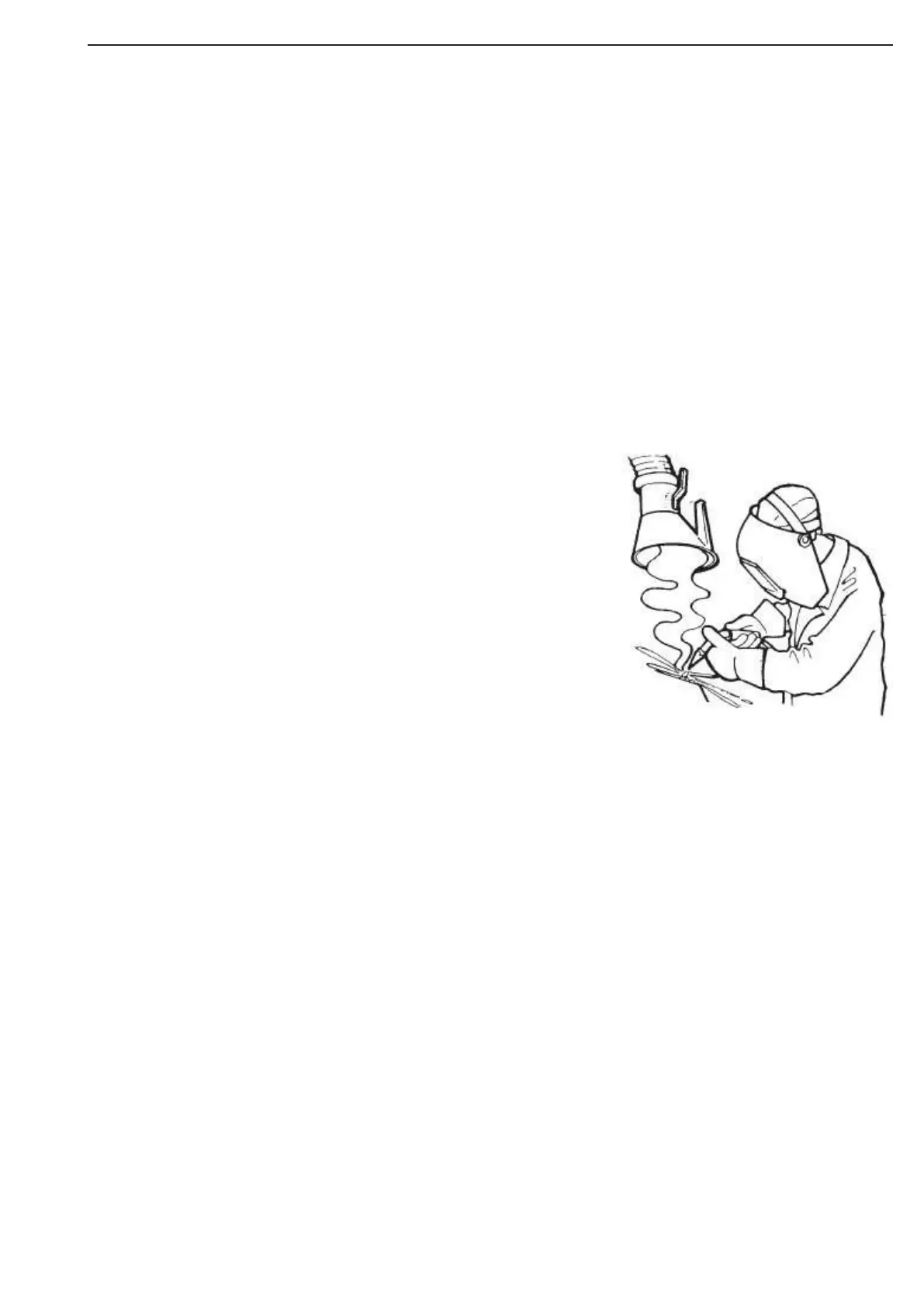
Ensure that the ventilation is satisfactory where you weld,
charge batteries or apply anti-corrosives.
If necessary, also complemented with portable air evacuator.
When working with eroding substances (e.g. when charging bat-
teries) there must be a possibility for rinsing the eyes.
Protection against air pollution
• Ventilate properly. Use portable air evacuator
when welding.
• Preferably avoid running engines indoors.
• Use evacuation equipment if engines have to be
run indoors.
• Use protective gloves and breathing protection if
there is a risk of oil mist.
• Avoid contact with the skin.
• Ensure that there are facilities to rinse the eyes
when working with eroding substances.
0.2.7 Air Pollution



 To Next Page