xiii
Safety and Limitations
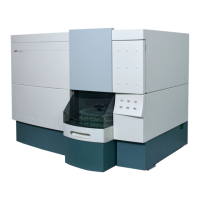
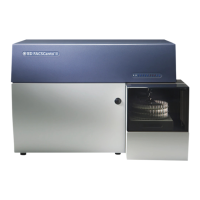
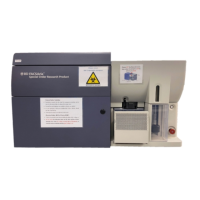
The BD FACSAria flow cytometer is equipped with safety features for your
protection. Operate only as directed in the user’s guide. Do not perform
instrument maintenance or service except as specifically stated. Keep this safety
information available for reference.
Laser Safety
Lasers or laser systems emit intense, coherent electromagnetic radiation that has
the potential of causing irreparable damage to human skin and eyes. The main
hazard of laser radiation is direct or indirect exposure of the eye to thermal
radiation from the visible and near-infrared spectral regions (325–1,400 nm).
Direct eye contact can cause corneal burns, retinal burns, or both, and possible
blindness.
There are other potentially serious hazards in other spectral regions. Excessive
ultraviolet exposure produces an intolerance to light (photophobia) accompanied
by redness, a tearing discharge from the mucous membrane lining the inner
surface of the eyelid (conjunctiva), shedding of the corneal cell layer surface
(exfoliation), and stromal haze. These symptoms are associated with
photokeratitis, otherwise known as snow blindness or welder’s flash, which
results from radiant energy–induced damage to the outer epidermal cell layer of
the cornea. These effects can be the result of laser exposure lasting only a fraction
of a second.


 To Next Page