Section 2 — Installation
Part No. 750-363 2-5
2.2 BOILER ROOM
The boiler room must comply with all building codes and regulations. An adequate supply of combustion
air is required for safe operation. If the optional sealed combustion/direct vent kit is used, ventilation must
be provided to meet applicable regulations for air supply.
Note: For further details on sealed combustion/direct vent kits, see Section 3, Stack and Intake Vent Sizing
and Installation and Section 6, Parts.
Clean combustion air is required for optimum efficiency and boiler operation. Dust and airborne
contaminants will adversely effect burner performance. An air filter is included to keep airborne
contamination from the burner.
If using sealed combustion/direct venting, the air intake should be positioned to keep rain or snow from
entering the intake piping.
The boiler must be installed so that the gas ignition system components are protected from water (dripping,
spraying, etc.) during appliance operation and service.
2.3 FLUE GAS / COMBUSTION AIR
The flue gases from the Model CFLC boiler should be removed via a gas-tight, temperature and corrosion
resistant flue gas pipeline. Only flue gas systems approved and tested by the relevant region or province are
to be connected to the boiler. Refer to flue piping manufacturer for proper installation and sealing
instructions. See also Chapter 3 of this manual for combustion air and flue gas venting requirements.
2.4 WATER TREATMENT
Cleaver-Brooks ClearFire condensing boilers are suitable for heating systems without significant oxygenation
capacity. Systems with continuous oxygenation capacity due to unknown or unseen leaks must be equipped
with a system separation or pretreatment device. Closed loop hydronic systems should incorporate air
separation, dirt elimination, and air venting.
Clean, soft water is generally the best heating medium for filling and make-up water in systems utilizing the
Model CFLC. If the water available from the main system is not suitable for use, then demineralization and/
or treatment with inhibitors is necessary. Treated filling and make-up water must be checked at least once
a year or more frequently if so specified in the application guidelines from the inhibitor manufacturer.
Those parts of the boiler in contact with water are manufactured with both ferrous materials and corrosion-
resistant stainless steel. The chloride content of the heating water should not exceed 30 ppm and the pH
level should be between 8.3 to 10.5 after six weeks of operation.
To maintain the boiler's efficiency and prevent overheating of the heating surfaces, the values in Table 2-2
should not be exceeded. Water make-up during the lifetime of the boiler should not be greater than 3 times
the system volume. A water meter should be installed on the makeup line to monitor makeup water volume.
Should the system require flushing or cleaning after installation of the CFLC, take care that no particulate
matter reaches the boiler during the cleaning process.
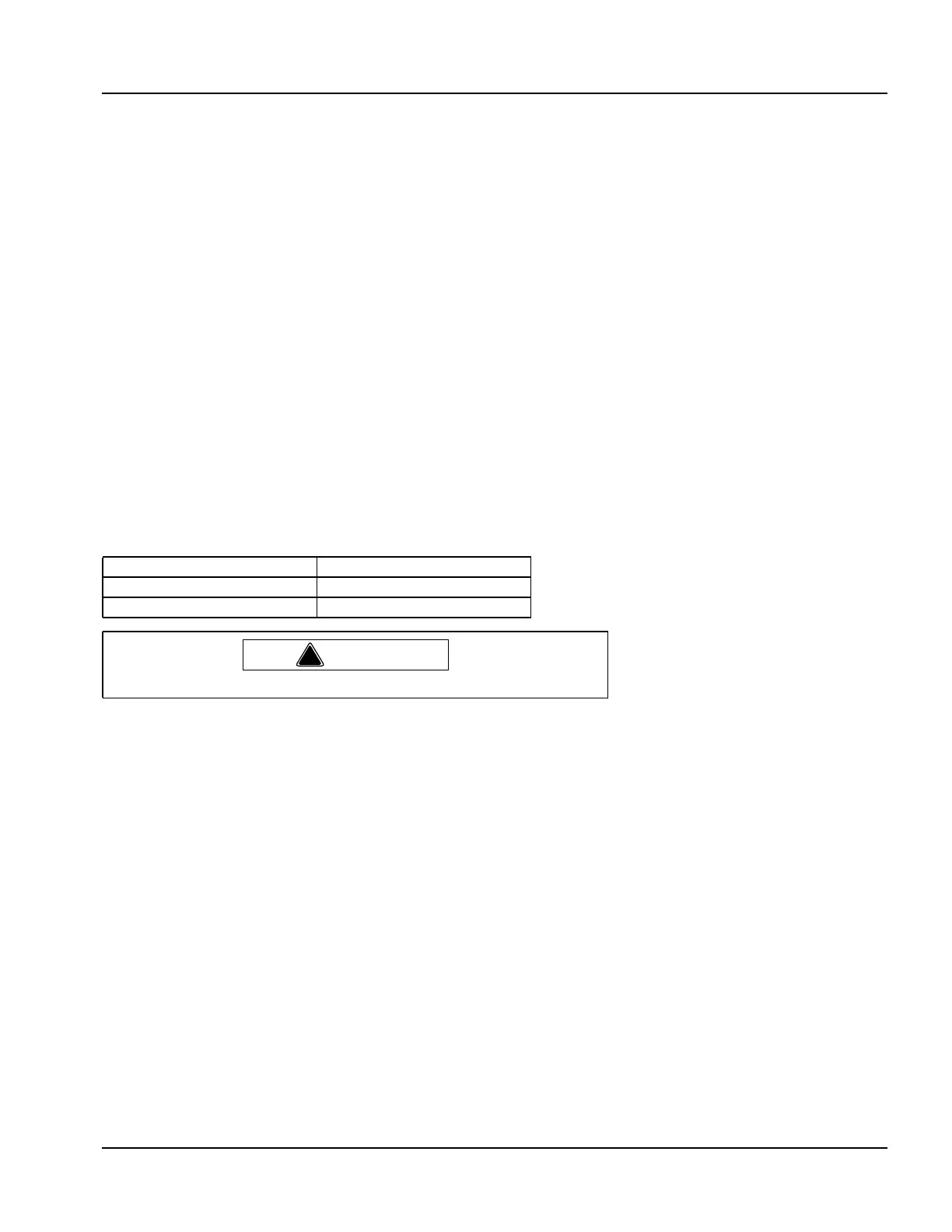
Table 2-1. Boiler room environmental limits
Maximum temperature 122 deg F
Minimum temperature 32 deg F
Humidity 90% RH non condensing
!
Warning
The boiler must not be installed on carpeting.


 To Next Page