Section 2 — Installation
2-6 Part No. 750-363
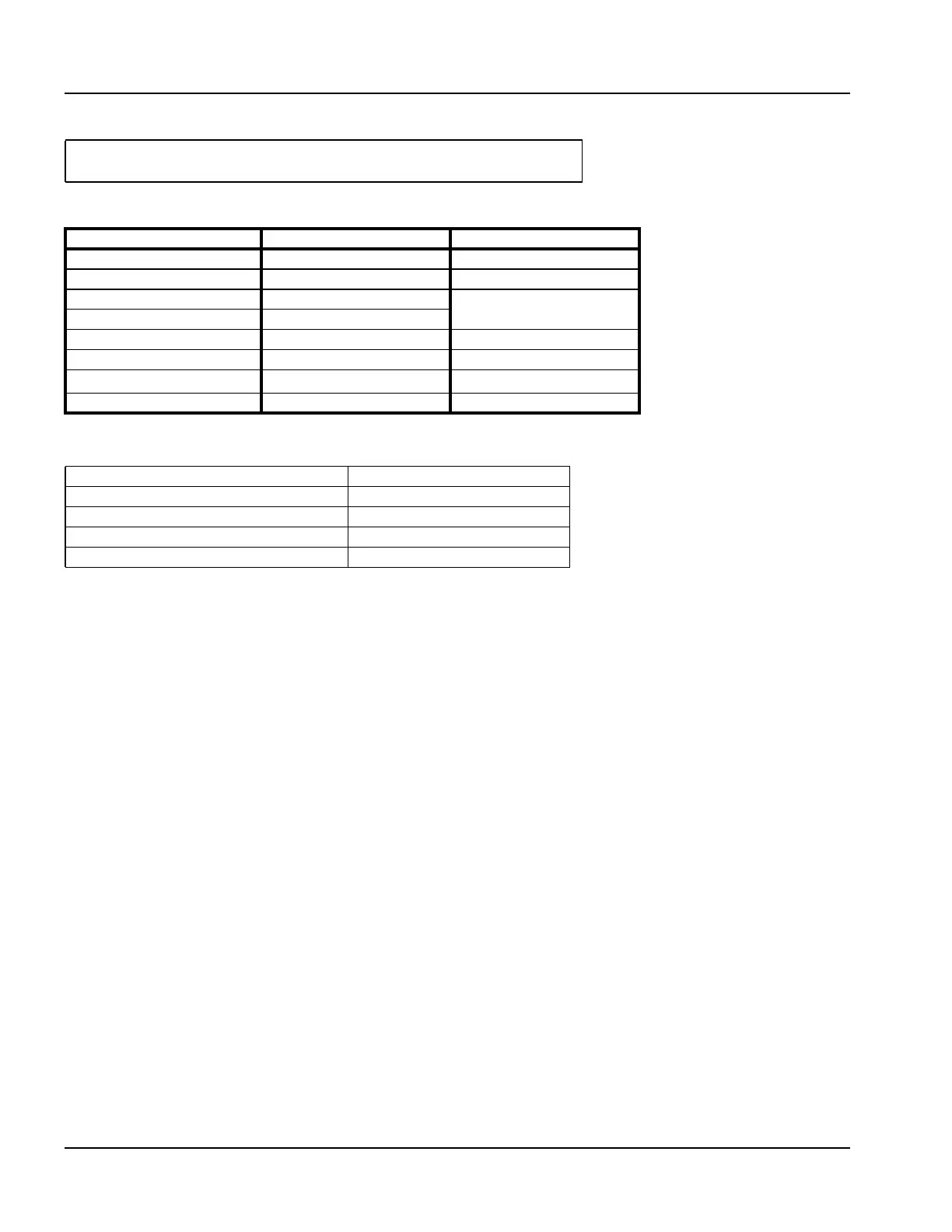
Table 2-2 Model CFLC Water Chemistry Requirements
2.5 BOILER FLUSH
Cleaver-Brooks recommends cleaning in accordance with the recommendations of the boiler owner’s water treatment
company for each individual site. The boiler may be flushed with or without heat applied, as deemed appropriate by the
chemical treatment company. A traditional steam “Boil Out” is not required on Cleaver-Brooks hot water boilers.
Following are some general recommendations to help ensure long boiler life and efficient operation.
NOTE: these are recommendations only. The chemical treatment supplier should recommend a procedure based on
the site conditions and quality of water being used to fill the system.
If the entire system is being flushed THROUGH the boiler, weld slag and deposits from the piping system may settle in
the boiler. The boiler is typically a low velocity zone where these deposits tend to accumulate. The boiler should be
drained periodically during the flushing process to keep any deposit build up to a minimum. When the system flush is
complete, drain the boiler completely and open water side inspection ports for visual inspection. Any deposits should be
manually flushed out.
If the boiler is isolated during the system flush, or if this is an equipment replacement only where minimal amounts of
system piping have been replaced, there should be minimal manufacturing deposits inside the boiler and no boiler flush
is required.
To provide the longest life of the equipment it is recommended but not mandatory to chemically treat the boiler prior to
start-up. The owner’s water treatment company should determine needed course of action for each installation.
2.6 USING GLYCOL
The Model CFLC boiler may be operated with a solution of glycol and water. Where glycols are added, the
system must first be cleaned and flushed. Correct glycol selection and regular monitoring of the in-use
concentration and its stability is essential to ensure adequate, long-term freeze protection, including
protection from the effects of glycol-derived corrosion resulting from glycol degradation.
Note: Corrosion and sludge deposits in old systems must be removed
prior to installation of a new boiler.
Parameter Limit Means of control
Glycol 25-50% Glycol fill/mixing station
pH 8.3 - 10.5 Buffering agent
Nitrates 50 ppm
Chemical additives
Sulfates 50 ppm
Chloride < 250 ppm
Oxygen < 0.1 ppm Air separator/eliminator
Specific Conductivity
< 3500 mmho/cm
Total Hardness < 10 ppm Softener
Table 2-3 Model CFLC Water Temperature Data (Non-Glycol)
Minimum inlet temp. 33
o
F
Maximum operating supply set point temp. 230
o
F
Maximum design temp. 250
o
F
Minimum supply set point temperature 130
o
F
Max allowable Delta T 100
o
F


 To Next Page