Part III: Background and Concepts
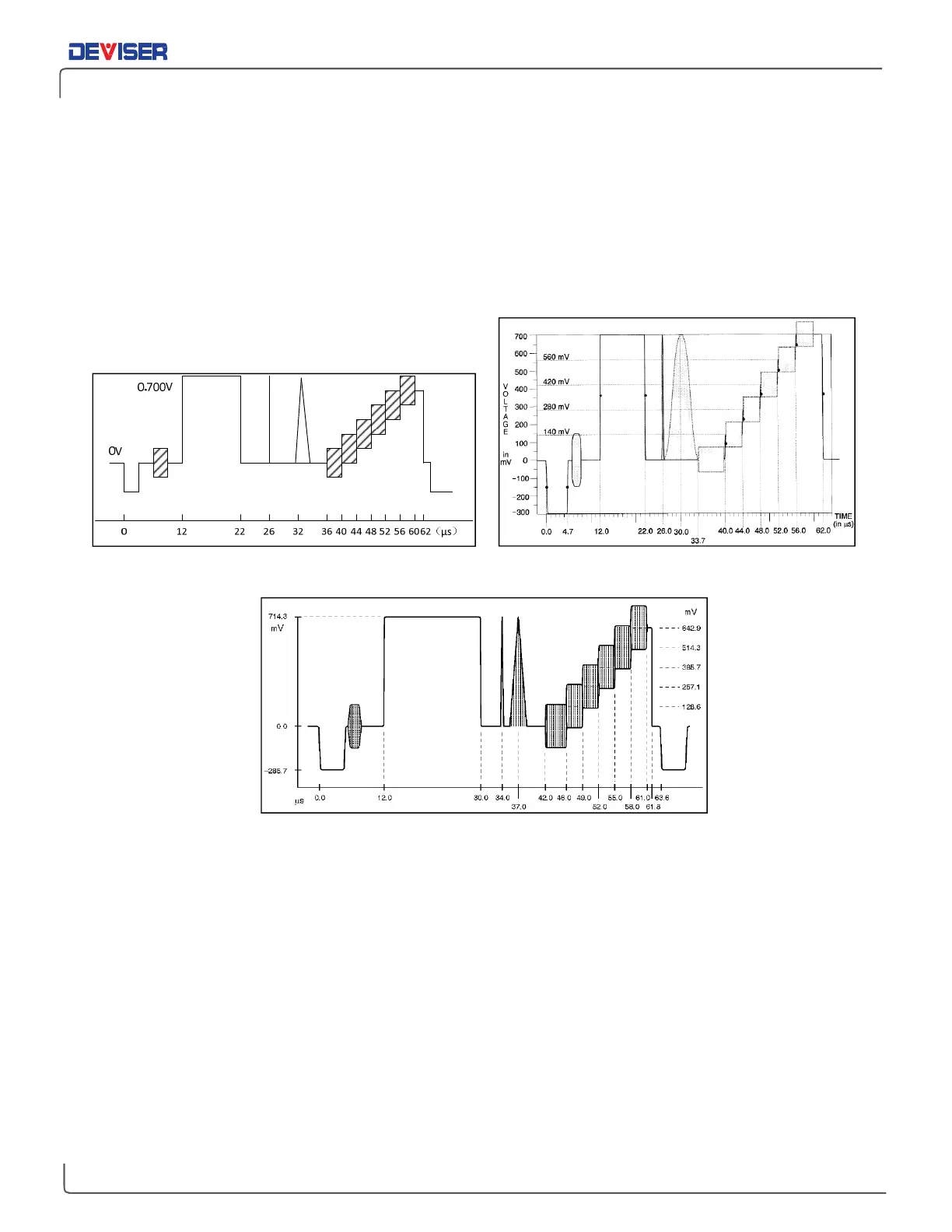
CCIR 330 test signal
The first peak from the left is a white flag with peak amplitude of 700mV (relative to blanking level) and a
width of 10µs; a zero carrier reference (base white) for measuring video signal amplitude and depth of
modulation. The second from the left is 2T pulse with a half-amplitude width of 200ns, it is used to measure K
factor. Cable TV systems use K-2T factor to replace echo measurement. The third from the left is the
blanking level and 5 luminance steps superimposed with a 4.43MHz color subcarrier sine wave; the color
burst is 280mV and used to lock color signal phase. The 5-step luminance staircase and blanking is used to
represent six different luminance levels. This third part of the signal is used to measure DG and DP.
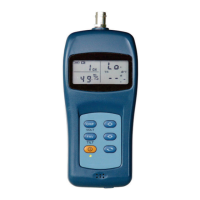
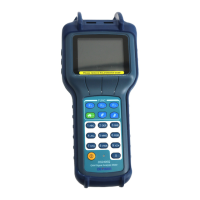
GB19 NTC-7 Composite
UK ITS1
The VITS composite signals are composed of several basic types of test signal:
1.
0.7±7mV line bar, as the standard level;
2.
2T pulse: used to measure high frequency character of channel;
3.
10T or 20T pulse made up of a sine-squared luminance pulse and a chrominance packet with a sine-
squared envelope: used to measure Chrominance-Luminance Inequality character of a channel.
4.
5-step luminance staircase signal: used to measure Luminance nonlinear distortion of channel.
5.
Luminance steps superimposed with modulated chrominance: used to measure chrominance
amplitude and phase distortion caused by luminance amplitude change of a channel.
6.
Multiburst: used to measure the flatness of a channel in 6MHz video bandwidth.


 To Next Page