EasyManua.ls Logo

FOR-A HVS-300HS - User Manual

FOR-A HVS-300HS
138 pages
Print Icon
To Next Page IconTo Next Page
Loading...
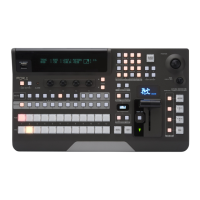
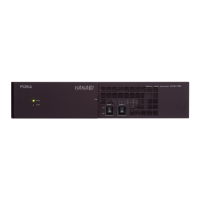
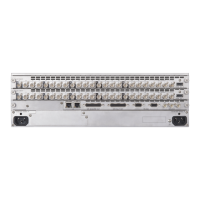
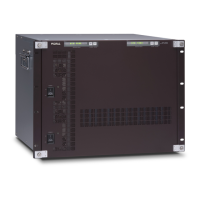
HVS-300HS
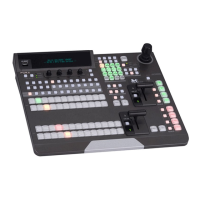
HVS-300RPS
Digital Video Switcher
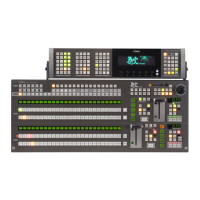
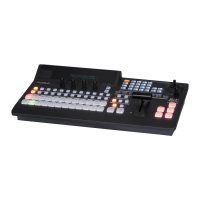
HVS-30OU
Operation Unit
2
nd
Edition - Rev. 8
OPERATION
MANUAL

Table of Contents

Question and Answer IconNeed help?

Do you have a question about the FOR-A HVS-300HS and is the answer not in the manual?

Summary

1. Prior to Starting

1-2. Features

Lists standard and optional features of the HVS-300 series switchers.

2. Panel Descriptions

2-4. Option Slots

Details the available slots for installing optional input/output expansion cards.

2-5. Interfaces

Details the various connectors and interfaces on the switcher units.

Precautions

Important Safety Warnings

Provides critical safety warnings regarding power, grounding, operation, transportation, and circuitry.

3. Connection and Setup

3-4. System Signal Format Selection at the Initial Use

Guides through selecting system signal format and aspect ratio upon initial use.

4. Menu Operations

4-1. How to Access Menus

Explains how to access menus using menu access buttons and other control panel buttons.

4-2. How to Set Values

Details how to display parameters and change settings using F1-F4, numeric keypad, and joystick.

5. USER Button

5-1. Setting USER Buttons

Guides on assigning functions or menu pages to USER buttons for shortcuts.

6. Video Sources

6-3. Resize Function

Describes using the resize function to input SD signals and use them as HD images by upsizing.

6-6. Setting Up Additional Inputs

Guides on installing and setting up input cards in Slot A and Slot B for additional inputs.

7. Video Outputs

7-1. How to Select Aux signals

Explains selecting signals for auxiliary outputs via bus buttons or menu selection.

7-2. Preview Set Up

Details assigning preview bus output to an auxiliary output and adding KEYER, DSK, PinP to preview.

7-5. Setting Up Additional Outputs

Guides on installing and setting up output cards in Slot C and D for additional outputs.

8. PGM;PST Bus Operation

8-3. Setting-up and Using the SHIFT function

Guides on assigning and using the SHIFT function to select additional video signals.

9. Transition Operations

9-7. Pattern (WIPE) Transitions

Explains how to perform pattern transitions and select patterns.

9-8. Advanced Settings for Transitions

Covers advanced settings like Fader Limit, Transition Rate, User Transitions, and Auto Transitions.

11. KEYER and DSK

11-3. Bus Key

Explains setting up a Bus Key using different signals for Key Insert and Key Source.

11-4. Adjusting Key Signal

Guides on adjusting key signal composition, transparency, gain, and clip.

11-5. Chroma Key

Explains creating a key signal using a chroma component, typically with a blue screen.

11-6. Mask and Invert

Details using mask and invert functions for keys and DSKs.

11-7. Key Edge

Explains adding border type edges (Normal, Outline) to KEYER and DSK images.

12. DVE Effects on Keys

13. Still Store

13-1. How to Save Stills

Guides on capturing and memorizing still pictures from switcher outputs to STILL1 or STILL2.

14. Picture-in-Picture

14-1. Setting-up PinP

Details selecting video sources and inserting PinP pictures onto the background video.

15. Multiviewer

15-1. Assigning the Multiviewer function to an AUX Bus

Guides on assigning the multiviewer video output to an AUX bus.

15-4. Adding Titles, On-air Tally and Frame Border

Covers setting titles, on-air tally, and frame borders for multiviewer split-screen areas.

16. Event Memory

16-2. Recalling Events

Details recalling stored events using DIRECT operation or the RECALL button.

17. File Operations

17-4. Loading Data from USB Flash Memory

Details loading setting data and image files from USB flash memory.

18. System Setup Settings

18-4. Adjusting Video Signal Levels

Covers adjusting video signal levels using Proc Amp and Video Level Clip features.

19. Reboot and Initialize

20. Interface Settings

20-1. GPI Control

Details controlling external devices or being controlled via the GPI interface.

20-3. Editor Control (Option)

Covers controlling the switcher from an editor using HVS-30ED software.

20-4. Network Settings

Details network settings for Arcnet and Ethernet connections.

20-5. Image Data Transfer

Explains sending and receiving image data via Ethernet using FTP protocol.

21. Status Information

22. Upgrading Operational Version

24. Specifications and Dimensions

24-1. Specifications

Lists detailed technical specifications for HVS-300HS, HVS-300RPS, HVS-30OU, and HVS-30RU.

Summary

1. Prior to Starting

1-2. Features

Lists standard and optional features of the HVS-300 series switchers.

2. Panel Descriptions

2-4. Option Slots

Details the available slots for installing optional input/output expansion cards.

2-5. Interfaces

Details the various connectors and interfaces on the switcher units.

Precautions

Important Safety Warnings

Provides critical safety warnings regarding power, grounding, operation, transportation, and circuitry.

3. Connection and Setup

3-4. System Signal Format Selection at the Initial Use

Guides through selecting system signal format and aspect ratio upon initial use.

4. Menu Operations

4-1. How to Access Menus

Explains how to access menus using menu access buttons and other control panel buttons.

4-2. How to Set Values

Details how to display parameters and change settings using F1-F4, numeric keypad, and joystick.

5. USER Button

5-1. Setting USER Buttons

Guides on assigning functions or menu pages to USER buttons for shortcuts.

6. Video Sources

6-3. Resize Function

Describes using the resize function to input SD signals and use them as HD images by upsizing.

6-6. Setting Up Additional Inputs

Guides on installing and setting up input cards in Slot A and Slot B for additional inputs.

7. Video Outputs

7-1. How to Select Aux signals

Explains selecting signals for auxiliary outputs via bus buttons or menu selection.

7-2. Preview Set Up

Details assigning preview bus output to an auxiliary output and adding KEYER, DSK, PinP to preview.

7-5. Setting Up Additional Outputs

Guides on installing and setting up output cards in Slot C and D for additional outputs.

8. PGM;PST Bus Operation

8-3. Setting-up and Using the SHIFT function

Guides on assigning and using the SHIFT function to select additional video signals.

9. Transition Operations

9-7. Pattern (WIPE) Transitions

Explains how to perform pattern transitions and select patterns.

9-8. Advanced Settings for Transitions

Covers advanced settings like Fader Limit, Transition Rate, User Transitions, and Auto Transitions.

11. KEYER and DSK

11-3. Bus Key

Explains setting up a Bus Key using different signals for Key Insert and Key Source.

11-4. Adjusting Key Signal

Guides on adjusting key signal composition, transparency, gain, and clip.

11-5. Chroma Key

Explains creating a key signal using a chroma component, typically with a blue screen.

11-6. Mask and Invert

Details using mask and invert functions for keys and DSKs.

11-7. Key Edge

Explains adding border type edges (Normal, Outline) to KEYER and DSK images.

12. DVE Effects on Keys

13. Still Store

13-1. How to Save Stills

Guides on capturing and memorizing still pictures from switcher outputs to STILL1 or STILL2.

14. Picture-in-Picture

14-1. Setting-up PinP

Details selecting video sources and inserting PinP pictures onto the background video.

15. Multiviewer

15-1. Assigning the Multiviewer function to an AUX Bus

Guides on assigning the multiviewer video output to an AUX bus.

15-4. Adding Titles, On-air Tally and Frame Border

Covers setting titles, on-air tally, and frame borders for multiviewer split-screen areas.

16. Event Memory

16-2. Recalling Events

Details recalling stored events using DIRECT operation or the RECALL button.

17. File Operations

17-4. Loading Data from USB Flash Memory

Details loading setting data and image files from USB flash memory.

18. System Setup Settings

18-4. Adjusting Video Signal Levels

Covers adjusting video signal levels using Proc Amp and Video Level Clip features.

19. Reboot and Initialize

20. Interface Settings

20-1. GPI Control

Details controlling external devices or being controlled via the GPI interface.

20-3. Editor Control (Option)

Covers controlling the switcher from an editor using HVS-30ED software.

20-4. Network Settings

Details network settings for Arcnet and Ethernet connections.

20-5. Image Data Transfer

Explains sending and receiving image data via Ethernet using FTP protocol.

21. Status Information

22. Upgrading Operational Version

24. Specifications and Dimensions

24-1. Specifications

Lists detailed technical specifications for HVS-300HS, HVS-300RPS, HVS-30OU, and HVS-30RU.

FOR-A HVS-300HS Specifications

General IconGeneral
Audio Inputs16
Control InterfaceRS-422, Ethernet
Mix/Effects2 M/E
Video FormatsHD/SD-SDI
Power SupplyAC 100V-240V

Related product manuals