GAPS - User Guide
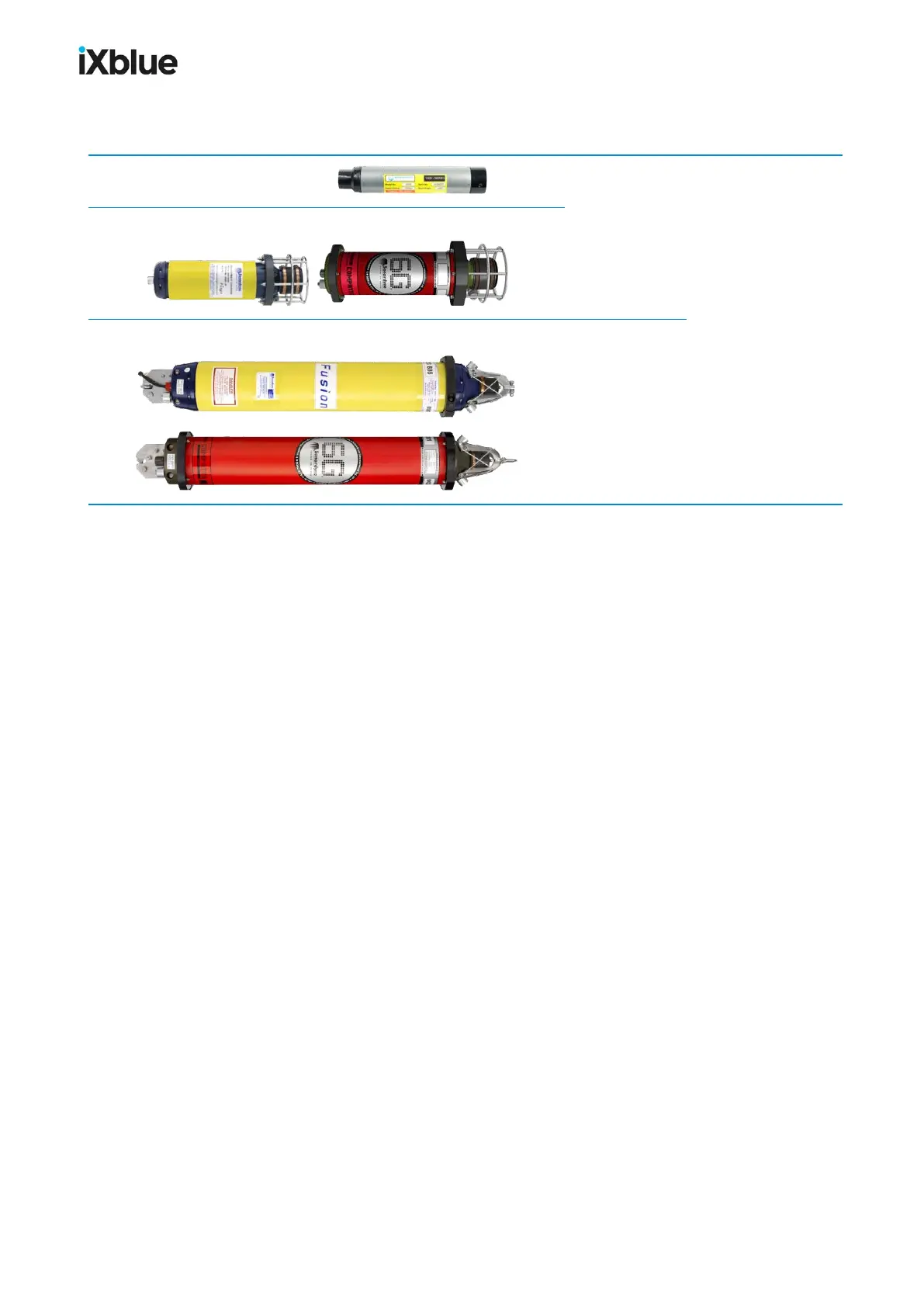
Table 12 - Third party transponders that are compatible with GAPS
Applied 1019
F1 – F14, CIF
28% (60) of
Sonardyne
Wideband® 1 codes*
(CRF and IRS)
Sonardyne Wideband® 1 Mini beacons (5 & 6)
Sonardyne COMPATT 5 COMPATT6
F1 – F14, CIF
100% of
Sonardyne
Wideband® 1
codes* (CIF &
IIF)
* see Appendix C for a complete list of Sonardyne Wideband® 1 codes.
The GAPS positions the immersed transponders. Before starting positioning, you have to list,
configure and activate the transponders via the web user interface.
Access the management of transponders in the TRANSPONDER component from the
SETUP menu. Transponders which are already present in the data base are listed in this
window and you can see at a glance how these transponders were configured and whether
they are still active or not. See the transponder window below.
Multi
Transponders
Several transponders can be simultaneously interrogated. The interrogation then takes place
on as many cycles as there are various frequencies. The transponders are separated thanks
to different MFSK reply codes and Individual Interrogation Frequencies (IIF). Two
transponders cannot have the same interrogation frequency and reply codes. If different
interrogation frequencies are used simultaneously, the GAPS makes a recurrence for each
interrogation frequency. We can also mix responder and transponder modes to interrogate the
transponders. In addition the repetition factor parameter can be used to increase the acoustic
update rate for one specific interrogation frequency.
Below is listed the limitations of the system in terms of multi transponder configuration:
● 500 transponders simultaneously configured (not activated)
● 18 recurrences per cycle
● 40 activated transponders
● 15 different response codes per cycle
● 15 different response codes per recurrence
You can interrogate transponders in transponder mode and in responder mode in the same
configuration.
84 MU-GAPS-AN-005-H - November 2019


 To Next Page