Introduction 5
Channel = Fixture
A fixture is defined as a group of related addresses that together control a device. An example
of a fixture would be an ETC Revolution. This moving light contains 31 parameters that together
allow you to perform various functions such as pan and tilt. Each of these attributes is addressed
by a different output.
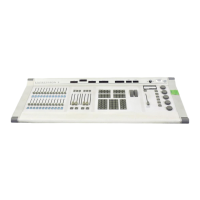
Element treats fixtures and channels as one and the same. Unlike former ETC consoles where a
fixture occupied one channel for each parameter, Element assigns each fixture a single channel
number. Individual parameters are then associated with that channel as additional lines of
channel information.
When you select a channel number, all of the controllable properties or parameters of that
channel are available through the keypad, level wheel, or the Moving Light (ML) Controls.
Note: Multicell fixtures are handled differently. They are fixtures made up of multiple
channels and addresses. See Patching Multicell Fixtures (on page95) and Multicell
Fixtures (on page165) for more information.
Address
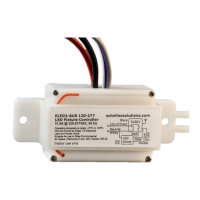
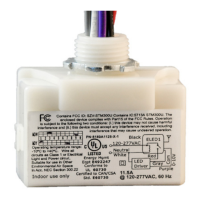
Addresses are numerical identifiers set on the actual dimmers, moving light fixtures, or other
devices you want to control. To connect addresses to channels, you will need to use the Patch
function of Element. For more information,
About Patch (on page86)
.
Note: You can patch more than one address to a single channel, but you cannot
patch multiple channels to a single address.
Syntax Structure
Most instructions can be entered into Element through the command line. The command line
expects instructions to be entered in a specific structure, or syntax.
Generally speaking, the order of syntax can be described as:
What are you trying to affect? (Channel, group)
What do you want it to do? (Change intensity, focus, pan/tilt)
What value do you want? (Intensity at full, Iris at 50)
Naturally other commands will be used in the course of programming your show, but most other
functions are modifiers of these three basic steps: modifying the channel(s) you are working
with, determining what parameters of those channels you are impacting, and what value you
want them to assume. When working with
Record Targets (on the next page)
, the syntax is
similar.
Note: Not all actions must be entered from the command line, although many will
result in a command line instruction. Other actions bypass the command line entirely.
Enter
Since the command line can receive multiple edits and instructions at once, it is necessary to let
Element know when you have completed your instruction in the command line. This is done with
the [Enter] key.
There are some commands which are self-terminating, and therefore do not require [Enter] to
be pressed. Some (but not all) of these commands are:



 To Next Page