Model 100E Instruction Manual TROUBLESHOOTING & REPAIR
045150102 Rev XB1 199
the front panel to blink.
To view or clear a warning message press:
Figure 11-1: Viewing and Clearing warning messages
11.1.2. Fault Diagnosis with Test Functions
Besides being useful as predictive diagnostic tools, the TEST functions, viewable from the
front panel, can be used to isolate and identify many operational problems when
combined with a thorough understanding of the analyzer’s theory of operation (Section
10). We recommend use of the APICOM remote control program to download, graph and
archive TEST data for analysis, and long-term monitoring of diagnostic data.
The acceptable ranges for these test functions are listed in Table A-3 in Appendix A-3.
The actual values for these test functions on checkout at the factory were also listed in
the Final Test and Validation Data Sheet, which was shipped with the instrument. Values
outside the acceptable ranges indicate a failure of one or more of the analyzer’s
subsystems. Functions with values that are within the acceptable range but have
significantly changed from the measurements recorded on the factory data sheet may
also indicate a failure or a maintenance item. A problem report worksheet has been
provided in Appendix C to assist in recording the value of these test functions. The
following table contains some of the more common causes for these values to be out of
range.
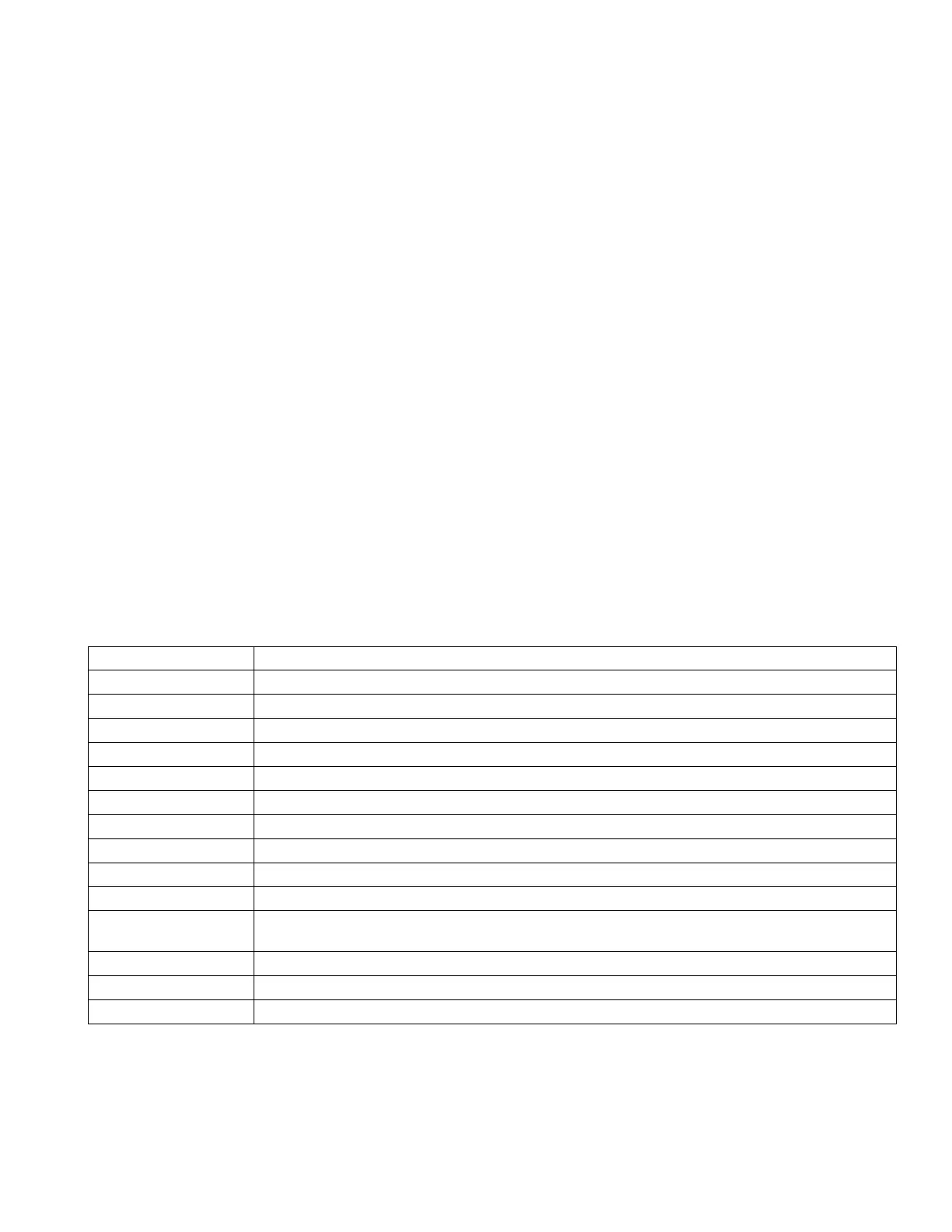
Table 11-1: Test Functions - Possible Causes for Out-Of-Range Values
Test Function Indicated Failure(s)
STABIL Unstable concentrations; leaks
SAMPLE Fl Leaks; clogged critical flow orifice
PMT Calibration error; HVPS problem; PMT problem; No flow (leaks)
NORM PMT Calibration error; HVPS problem; PMT problem
AZERO Leaks; malfunctioning AutoZero valve
HVPS HVPS broken; preamp board circuit problems
RCELL TEMP Malfunctioning heater; relay board communication (I
2
C bus); relay burnt out
BOX TEMP Environment out of temperature operating range; broken thermistor; runaway heater
PMT TEMP TEC cooling circuit broken; High chassis temperature; 12V power supply
IZS TEMP (option) Malfunctioning heater; relay board communication (I
2
C bus); relay burnt out
PRESS (rx cell
pressure)
Leak; malfunctioning valve; malfunctioning pump; clogged flow orifices; sample inlet
overpressure;
SLOPE Calibration error; span gas concentration incorrect; leaks; low lamp output
OFFSET Incorrect span gas concentration/contaminated zero air/leak; low-level calibration off
Time of Day Internal clock drifting; move across time zones; daylight savings time?
11.1.3. Using the Diagnostic Signal I/O Function
The signal I/O parameters found under the diagnostics (DIAG) menu combined with a
thorough understanding of the instrument’s theory of operation (Section 10) are useful
for troubleshooting in three ways:



 To Next Page