Cleaning and Inspecting Fibers and Ports
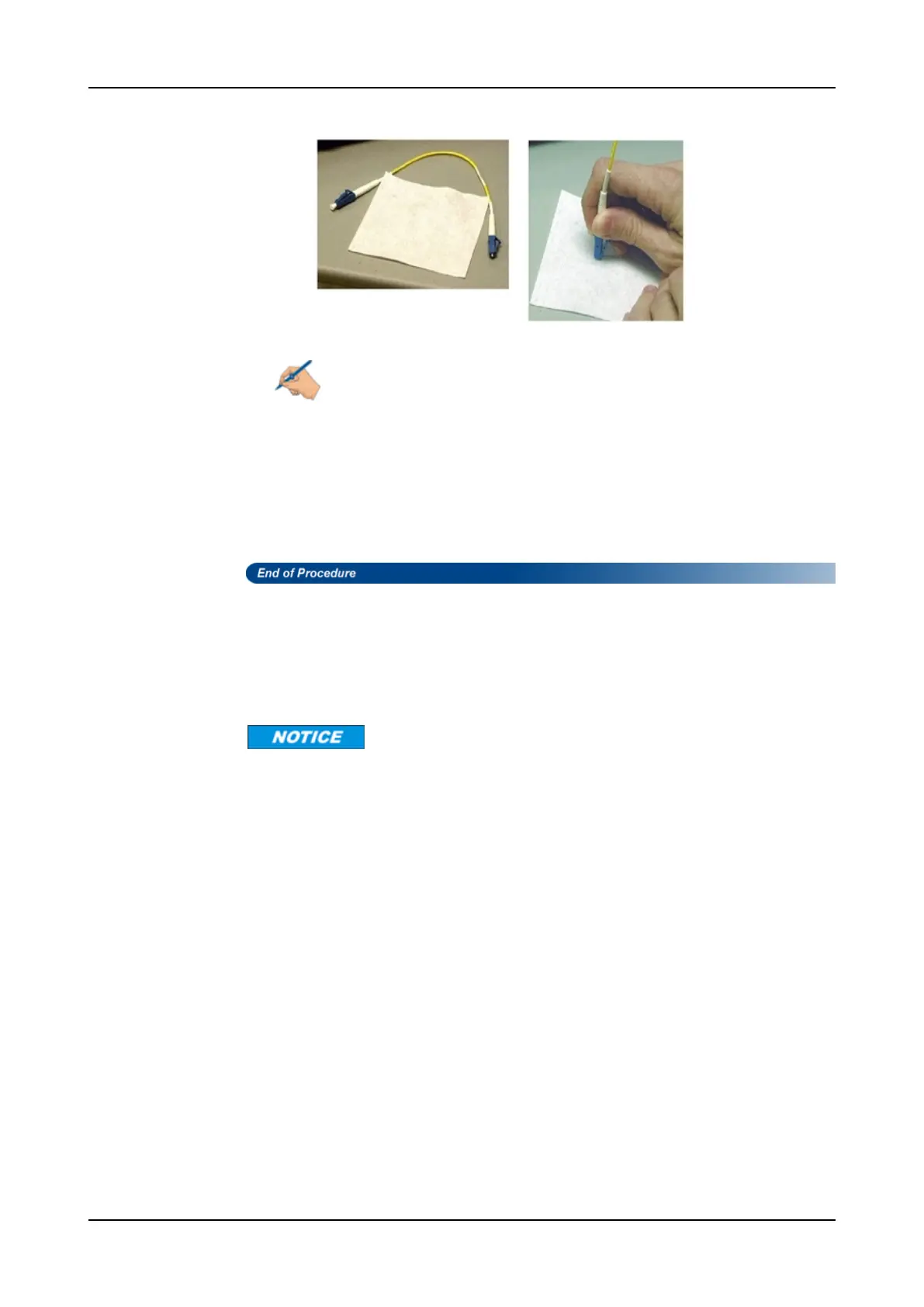
Figure 5: Cleaning the end of a jumper with a clean-room tissue
Note
Do not scrub the fiber against the wipe. Doing so could cause scratches
and further contamination.
Step 6 Repeat the “figure 8” wiping action on another clean section of the wipe.
Step 7 Properly dispose of the wipe.
Step 8 Inspect the connector again by using the fiber scope.
Step 9 Repeat this process as necessary.
Wet Cleaning Technique Using Lint-Free Wipes
If a “dry” cleaning procedure does not remove the dirt from the fiber endface, try this wet
cleaning method.
o
Improper cleaning can cause damage to the equipment. Isopropyl alcohol
should be removed completely from the connector or adapter. Residual liquid
alcohol can act as a transport mechanism for loose dirt on the endface. If the
alcohol is allowed to evaporate slowly off the ferrule, it can leave residual
material on the cladding and fiber core. This is extremely difficult to clean off
without another wet cleaning, which is usually more difficult to remove than the
original contaminant. Liquid alcohol can also remain in small crevices or
cavities, where it can re-emerge during fiber connection.
o
On female multi-fiber connectors, ensure that no alcohol gets into the guide pin
holes. The alcohol may come out during mating and could contaminate your
connection.
o
Read the
Safety Guide
before beginning this process, and observe all caution
statements in this section.
FSP 3000R7 Maintenance and Troubleshooting Manual - Product Release 16.2 - Document Issue A 41



 To Next Page