Because RFL™ and Hubbell® have a policy of continuous product improvement, we reserve the right to change designs and specifications without notice.
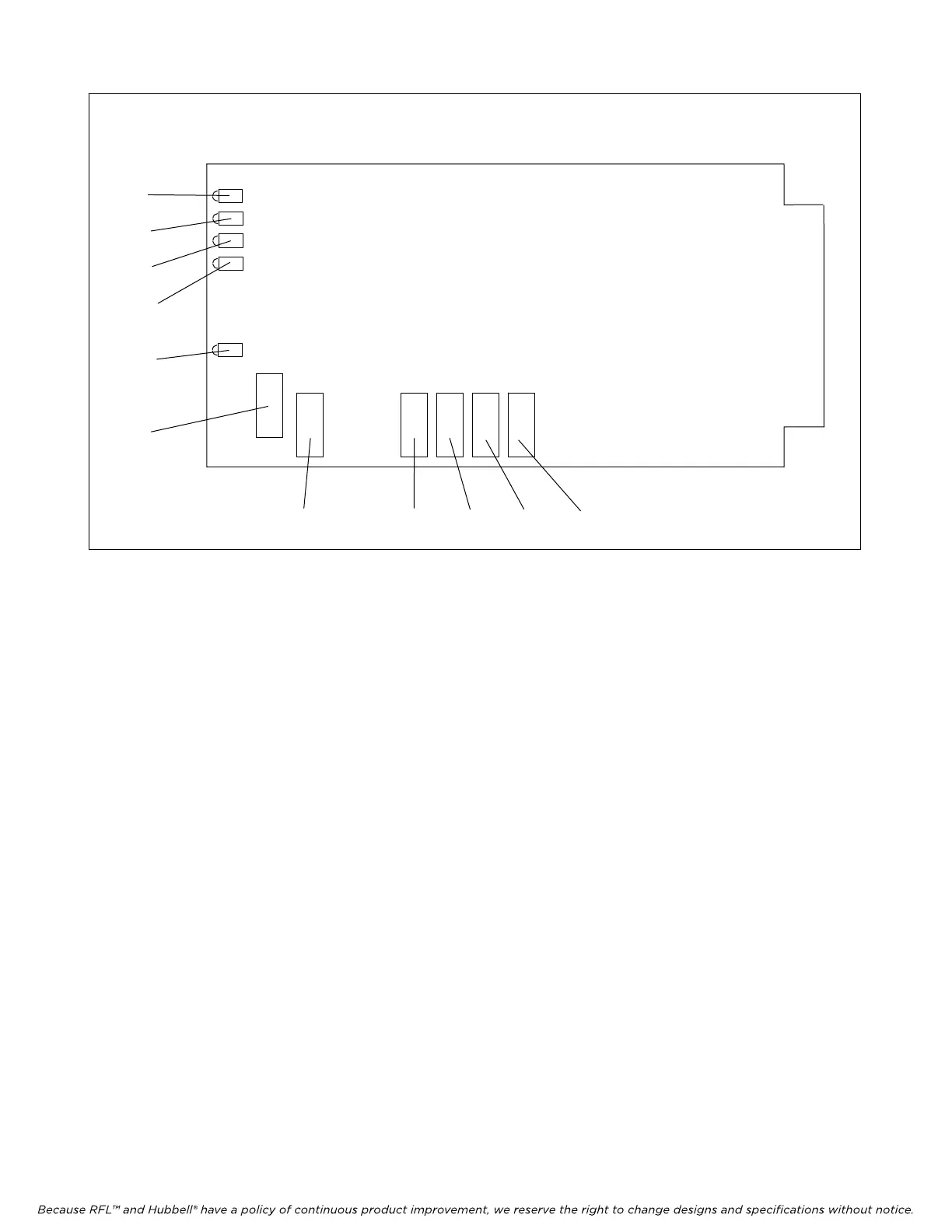
Figure 5. Controls and indicators, RFL VF-15C Foreign Exchange Office-End Voice Module
7
8
9
10
11
6
5 1 2 3 4
10. Select an unused time slot for channel 1 using DIP switches SW10-1 through SW10-5. Each
active voice channel uses one 64 Kbps digital time slot within the multiplexer’s aggregate rate.
Set the time slot using direct binary coding as shown in Table 4. Selecting a time slot for
channel 1 will automatically cause a channel 2 time slot to be selected only if channel 2 is
enabled. If enabled, the channel 2 time slot selected will be the next higher available time slot.
For example, if a user selects time slot 8 for channel 1, then time slot 9 will be automatically
selected for channel 2 if channel 2 is enabled. This can be seen by viewing the time slot
columns for channels 1 and 2 in Table 4. Refer to the multiplexer manual for guidelines on time
slot selection.
Note that selecting an invalid time slot will disable the module. In T1 systems, only time slots 1
through 24 are allowed. If channel 1 is set for time slot 24, channel 2 will automatically be
disabled. Time slot 24 is not available for a T1 system using fast reframing.
In E1 systems, time slots 1 through 31 are allowed, however, time slots 0 and 16 are reserved
and cannot be used. If time slot 15 is selected, channel 2, if enabled, will automatically be
bumped up to time slot 17. This can be seen by viewing the time slot columns for channels 1
and 2 in Table 4. If time slot 31 is selected, channel 2 will be automatically disabled. Time slot
30 is not available for an E1 system using fast reframing. Time slot 31 is not available if inter-
node communications (NMX) is used.
>> te
xt continues on page 13 <<
RFL VF-15C RFL Electronics Inc.
August
7, 2012 9 (973)
334-3100


 To Next Page