Dexcom G5 Mobile System User Guide
20Indications for Use and Safety Statement
Do Not Use Damaged Goods
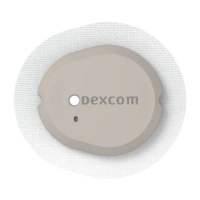
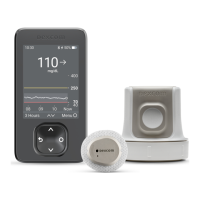
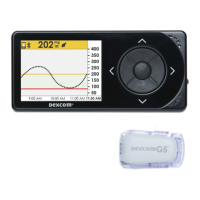
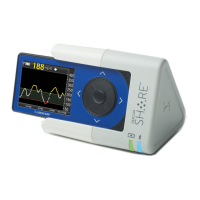
If the Dexcom G5 Mobile receiver or Dexcom G5 Mobile transmitter is damaged or cracked,
do not use it. This could create an electrical safety hazard or malfunction, causing possible
electrical shocks resulting in injury. In addition, a damaged or cracked Dexcom G5 Mobile
receiver or Dexcom G5 Mobile transmitter may cause the Dexcom G5 Mobile System not to
function properly.
Choking
Do not allow young children to hold the sensor or transmitter without adult supervision. The
sensor and transmitter include small parts that may pose a choking hazard.
Avoid Strangulation
Use USB cable only as directed and store safely. Misuse of the USB cable can present a
strangulation risk.
The following warnings may result in the consequence of missing severe hypoglycemia (low
blood glucose) or hyperglycemia (high blood glucose) or making a treatment decision that
results in injury:
Review Training Materials
Thoroughly review the training materials included with your Dexcom G5
Mobile before use. Incorrect use of the Dexcom G5 Mobile could lead you to
misunderstand information produced by the system or might affect the system’s
performance.
Diabetes Treatment Decisions
If your Dexcom G5 Mobile does not display a sensor glucose reading and an arrow
or if you are getting inaccurate or inconsistent readings, use a fingerstick blood
glucose value from your blood glucose meter to make diabetes treatment decisions.
Do Not Ignore Low/High Symptoms
Do not ignore symptoms of low or high glucose. If your glucose alerts and readings
do not match your symptoms or expectations, you should obtain a fingerstick blood
glucose value from your blood glucose meter to make diabetes treatment decisions
or seek immediate medical attention.
Who Should Not Use
The Dexcom G5 Mobile was not evaluated or approved for the following persons:
• Pregnant women


 To Next Page