Dexcom G5 Mobile System User Guide
311Technical Information
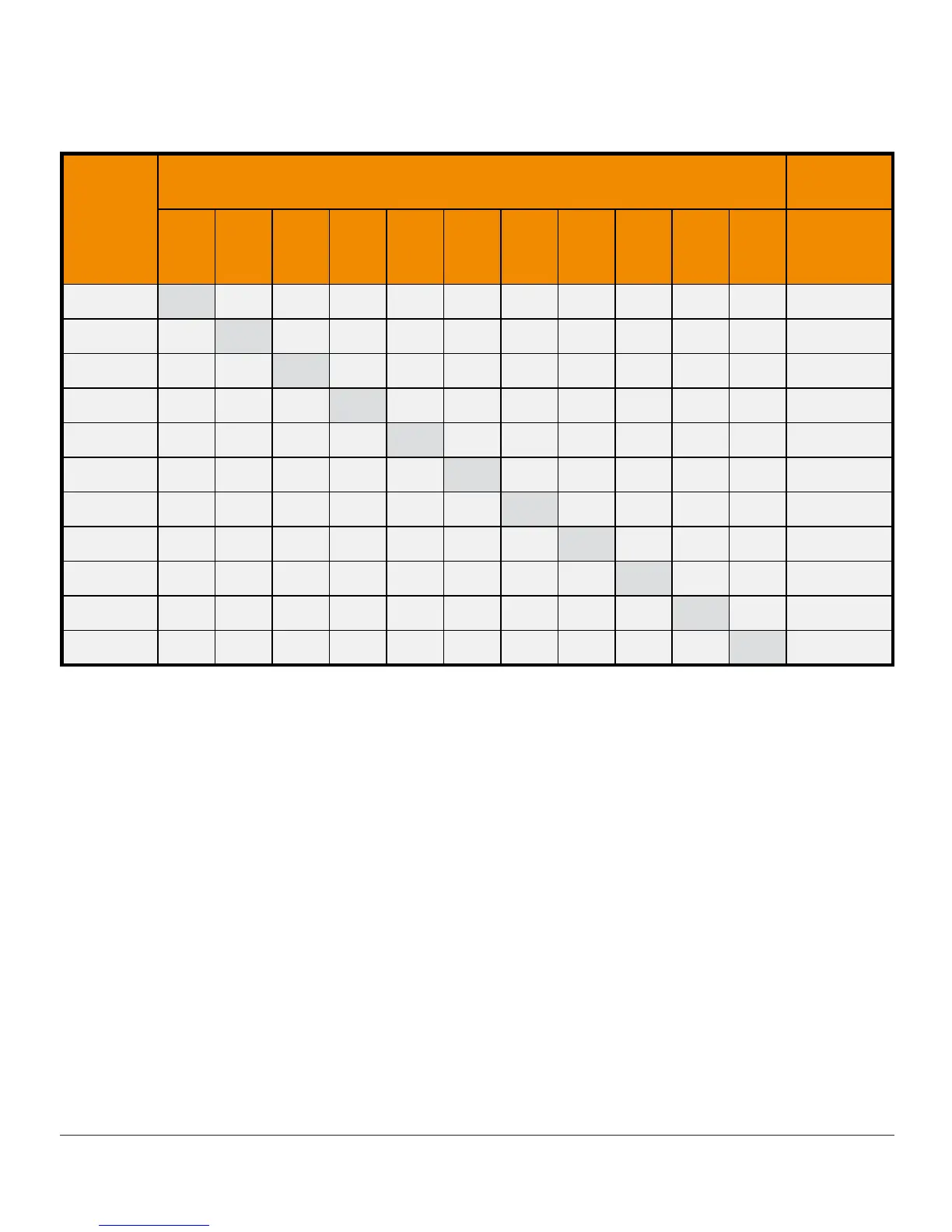
Table 3-D. Concurrence of CGM Readings and YSI Values (Software 505
Pediatric Study)
CGM
(mg/dL)
YSI (mg/dL)
Row Percentage of Matched Pairs in Each CGM Glucose Range
< 40
40-
60
61-
80
81-
120
121-
160
161-
200
201-
250
251-
300
301-
350
351-
400
>
400
Number
of Paired
CGM-YSI
< 40 6% 25% 63% 6% 0% 0% 0% 0% 0% 0% 0% 16
40-60 0% 33% 60% 6% 1% 0% 0% 0% 0% 0% 0% 86
61-80 0% 8% 64% 26% 2% 0% 0% 0% 0% 0% 0% 142
81-120 0% 1% 15% 69% 13% 1% 1% 0% 0% 0% 0% 314
121-160 0% 0% 0% 15% 66% 18% 1% 0% 0% 0% 0% 313
161-200 0% 0% 0% 1% 18% 66% 15% 0% 0% 0% 0% 355
201-250 0% 0% 0% 0% 1% 17% 68% 14% 0% 0% 0% 444
251-300 0% 0% 0% 0% 0% 0% 26% 58% 16% 0% 0% 336
301-350 0% 0% 0% 0% 0% 0% 4% 40% 46% 9% 0% 209
351-400 0% 0% 0% 0% 0% 0% 3% 14% 62% 21% 0% 63
> 400 0% 0% 0% 0% 0% 0% 4% 13% 29% 38% 17% 24
Concurrence of System and Laboratory Reference
Table 3-A (Original Adult Study), 3-B (Software 505 Adult Study), 3-C (Original Pediatric Study)
and 3-D (Software 505 Pediatric Study) are categorized by ranges of CGM glucose readings. These
tables describe, for each range of CGM glucose readings, what percentage of paired YSI values were in
the same glucose range (shaded) or in glucose ranges above and below the paired CGM readings. For
example, based on the Software 505 Adult Study, when CGM readings are within 81 to 120 mg/dL,
you can expect your BG levels are within 81 to 120 mg/dL 72% of time.


 To Next Page