81901A “MSW_GPC-40/600A”_03-2021_ENG_page 9
1. GENERAL DESCRIPTION
1.1. Summary
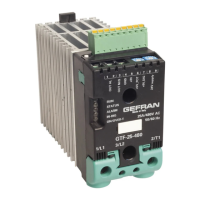
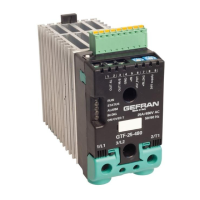
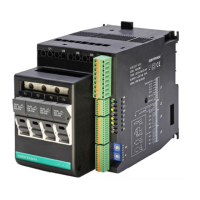
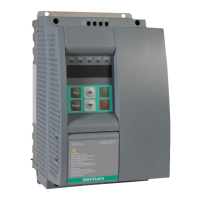
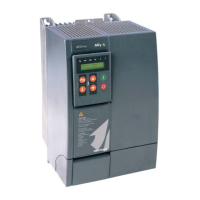
The GPC Advanced Power Controller is a self-contained
unit for independent control of up to 3 phases. It features
a high level of operational flexibility achieved through the
extensive configurability and programmability of its param-
eters.
The Advanced Power Controller is the ideal solution for
applications in heat treatment ovens, autoclaves, glass
furnaces and dryers.
Due to its high level of programmability, the controller can
also be used in other applications, provided that they are
compatible with the technical specifications of the instru-
ment.
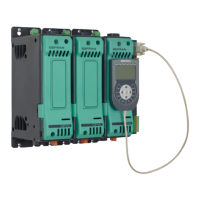
The instrument can be configured and programmed using
a keypad (GFW/GPC-OP) or a PC installed with the special
GF_eXpress application
software and connected to the instrument via a Gefran
RS485 to USB cable (F055002).
1.2. Field of application
1.3. Technicians and operators
As the Advanced Power Controller can be used in a multi-
tude of installations and environments, adequate technical
training is required to make full use of the instrument’s
potential.
In any case, the instrument must always be used within the
limits specified in the technical specifications in the accom-
panying documentation.
Regardless of any other consideration, it is always strictly
prohibited to:
• use the instrument or parts of it (including the software)
for purposes other than those specified in the accom-
panying technical documentation;
The Advanced Power Controller must only be used by per-
sonnel qualified for the assigned task, in compliance with
the instructions for that task, especially the safety warnings
and precautions they contain.
Qualified personnel, due to their training and experience,
are able to recognise the risks involved in using the instru-
ment and avoid potential hazards.
• change the working parameters not accessible to the
operator, or decrypt or transfer the software or parts of
it;
• use the instrument in particularly flammable environ-
ments;
• repair or modify the instrument using non-original spare
parts;
• use the instrument or parts of it without having read
and correctly interpreted the contents of the accompa-
nying technical documentation;
• dispose of or discard the instrument in common land-
fills.
In addition, it is assumed that the technicians who commis-
sion the instrument and connect it to other units, and those
who carry out maintenance, have sufficient technical knowl-
edge, particularly in the field of electronics and automation,
to fully understand the information provided in this manual.





 To Next Page