Cable splices
OmniTrax Product Guide Page 145
1. Dispense the cable until you reach the obstacle in the cable path.
2. On the processor side of the obstacle, measure back 7 m (23 ft.) from the obstacle toward the
processor.
3. Cut the sensor cable at the 7 m measurement.
4. Measure and cut two lengths of non-detecting cable (7 m + obstacle width + 30 cm).
(For SC1 cable you cut a single length of SC1 lead-in).
5. Remove an equal length of detecting cable.
6. Slide 20 ferrite beads over each section of lead-in cable. At each end of the lead-in cable,
place the first bead 30 cm (12 in.) past/before the splice with subsequent beads spaced 30 cm
apart (going away from the detecting cable).
7. Follow the directions for making cable repairs to splice in the lead-in cable.
8. Use the UCM to set the bypassed sensor cable as non-detecting (zone 0).
Software bypass
1. Complete the cable installation and perform a preliminary system calibration.
2. With the OmniTrax processor running and connected to the UCM, have a person stand on the
detection field centerline at the beginning of the bypass.
Note the position recorded on the UCM plot.
3. Repeat step 2 at the end of the bypass.
4. Using the peak location readings obtained in steps 2 and 3, set the required length of
detecting cable to inactive (see Defining the cable segments and alarm zones
on page 205).
5. Measure 24 m on each side of the software bypass and note them as areas with a reduced
Pd.
6. Perform crossings to test the bypassed section to ensure that alarms are not reported.
7. Perform crossings to test the adjacent sections of detecting cable to ensure that alarms are
reported.
If alarms are reported in the bypassed section, repeat the procedure increasing the separation
distance between the obstacle and the bypass start and end points.
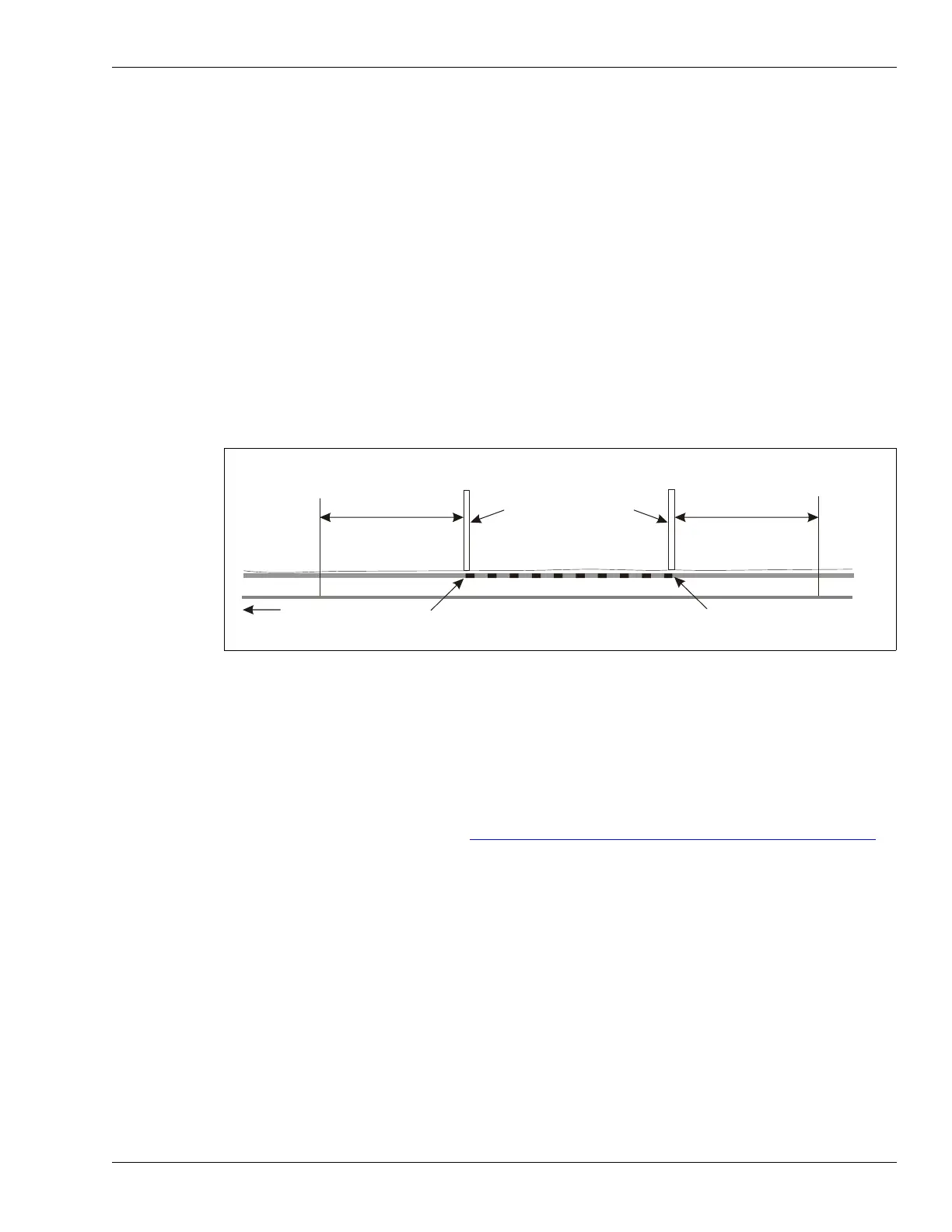
Figure 128: Sensor cable software bypass
up to
24 m (79 ft.)
reduced Pd
up to
24 m (79 ft.)
reduced Pd
software bypass
start point
software bypass
end point
to
processor
ground level
NOT TO SCALE
pedestrian walkway
non-metallic barrier
required section of sensor cable set to inactive via UCM = width of obstacle
(NOTE: 24 m on each side of the bypass has a reduced probability of detection (Pd) due to target resolution.)


 To Next Page