Repairing sensor cables
Page 154 OmniTrax Product Guide
Repairing sensor cables
The two most common types of cable faults are ground faults resulting from cable damage, and
decoupler faults resulting from buried decouplers that were not completely sealed. Cable faults
can occur anywhere along the length of the cable, and can be identified and located via the UCM
software. Cable faults are usually indicated by nuisance alarms during wet weather conditions and
excessive levels of clutter or sharp increases in clutter in a particular cable segment.
Before proceeding with a sensor cable repair, you must determine the fault’s location, and which
cable is damaged (TX or RX or both). You also must identify whether a sensor cable or a
decoupler requires repair. If the sensor cable is damaged, you must also determine the level of
damage. Cable damage often results from digging, landscaping or other below ground
construction activity. Most decoupler problems arise from moisture getting into the assembly
through improperly sealed connections.
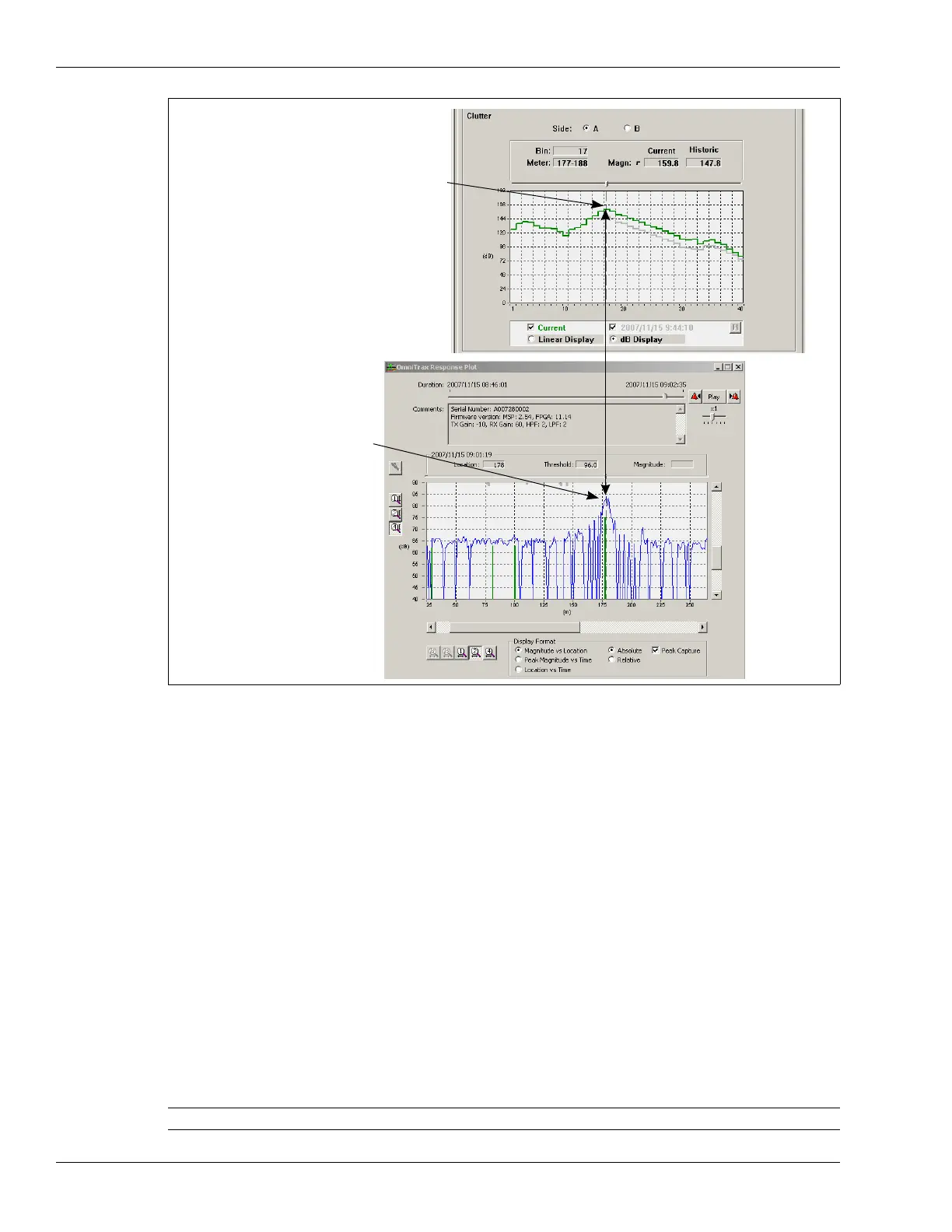
Figure 138: Excessive clutter display (200 m sensor cable)
Note Always retest the full length of a cable set after cable repairs are made.
the clutter display shows a
high level of clutter near the
end of the sensor cable
a magnitude response plot
indicates a high level of noise
near the end of the cable


 To Next Page