1.4
SEL-787 Relay Instruction Manual Date Code 20150130
Introduction and Specifications
Applications
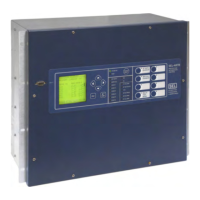
➤ SEL-787 Configurable Labels
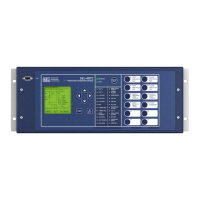
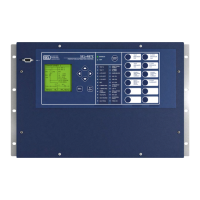
➤ Rack-Mounting Kits
➢ For one relay
➢ For two relays
➢ For one relay and a test switch
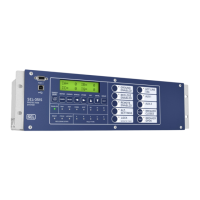
➤ Wall-Mounting Kits
➤ Bezels for Retrofit
➤ Replacement Rear Connector Kit
For all SEL-787 mounting accessories for competitor products’ replacement,
including adapter plates, visit http://www.selinc.com/MountingAccessories.
Applications
Refer to Section 2: Installation for various applications and their related
connection diagrams. The following is a list of possible application scenarios:
➤ Two-winding transformer protection with current differential
and overcurrent elements and through-fault monitor
➤ Two-winding transformer protection with current differential
and overcurrent elements and through-fault monitor with
optional restricted earth fault protection (REF) and neutral-
overcurrent protection
➤ Two-winding transformer protection with current differential
and overcurrent elements and through-fault monitor with
optional voltage elements, power elements, and frequency
elements
➤ Two-winding transformer protection with current differential
and overcurrent elements and through-fault monitor with
optional internal or external RTD inputs module
Getting Started
IMPORTANT: Upon relay initial
power up or Port 1 setting changes or
Logic setting changes, the user may
have to wait as long as two minutes
before an additional setting change
can occur. Note that the relay is
functional with protection enabled, as
soon as the ENABLED LED comes ON
(about 5–10 seconds from power up).
Understanding basic relay operation principles and methods will help you use
the SEL-787 effectively. This section presents the fundamental knowledge
you need to operate the SEL-787, organized by task. These tasks help you
become familiar with the relay and include the following:
➤ Powering the relay
➤ Establishing communication
➤ Checking relay status
➤ Setting the date and time
Perform these tasks to gain a fundamental understanding of relay operation.
Powering the Relay
Power the SEL-787 with 125/250 Vac/dc or 24/48 Vdc, depending on the part
number.



 To Next Page