C
HAPTER
4
| Configuring the Switch
Configuring the Spanning Tree Algorithm
– 137 –
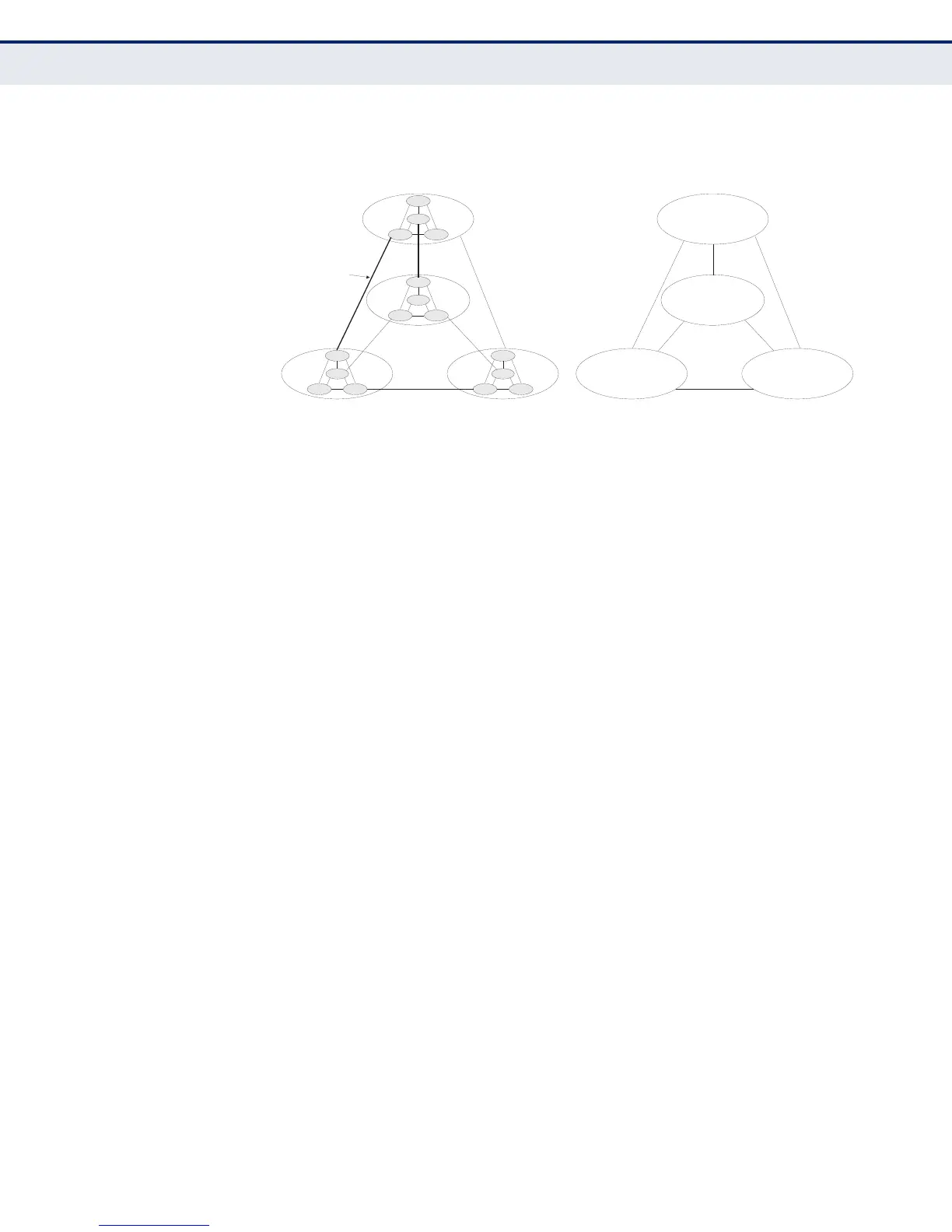
Figure 39: Common Internal Spanning Tree, Common Spanning Tree,
Internal Spanning Tree
MSTP connects all bridges and LAN segments with a single Common and
Internal Spanning Tree (CIST). The CIST is formed as a result of the
running spanning tree algorithm between switches that support the STP,
RSTP, MSTP protocols.
Once you specify the VLANs to include in a Multiple Spanning Tree Instance
(MSTI), the protocol will automatically build an MSTI tree to maintain
connectivity among each of the VLANs. MSTP maintains contact with the
global network because each instance is treated as an RSTP node in the
Common Spanning Tree (CST).
CONFIGURING GLOBAL
SETTINGS FOR STA
Use the STP Bridge Settings page to configure settings for STA which apply
globally to the switch.
CLI REFERENCES
◆ "STP Commands" on page 399
COMMAND USAGE
◆ Spanning Tree Protocol
1
Uses RSTP for the internal state machine, but sends only 802.1D
BPDUs. This creates one spanning tree instance for the entire network.
If multiple VLANs are implemented on a network, the path between
specific VLAN members may be inadvertently disabled to prevent
network loops, thus isolating group members. When operating multiple
VLANs, we recommend selecting the MSTP option.
◆ Rapid Spanning Tree Protocol
1
RSTP supports connections to either STP or RSTP nodes by monitoring
the incoming protocol messages and dynamically adjusting the type of
protocol messages the RSTP node transmits, as described below:
■
STP Mode – If the switch receives an 802.1D BPDU (i.e., STP BPDU)
after a port’s migration delay timer expires, the switch assumes it is
Region 1
Region 4
Region 2 Region 3
CIST
IST
Region 1
Region 4
Region 2 Region 3
CST


 To Next Page