Intel387
TM
SX MATH COPROCESSOR
during the transitions to or from that state, the only
difference between a pipelined and a non-pipelined
cycle is the manner of changing from one state to
another. The exact activities during each state are
detailed in the previous section ‘‘Non-pipelined Bus
Cycles’’.
When the CPU asserts ADS
Ý
before the end of a
bus cycle, both ADS
Ý
and READY
Ý
are active dur-
ing a T
RS
state. This condition causes the Math Co-
Processor to change to a different state named T
P
.
One clock period after a T
P
state, the Math CoProc-
essor always returns to the T
RS
state. In consecu-
tive pipelined cycles, the Math CoProcessor bus log-
ic uses only the T
RS
and T
P
states.
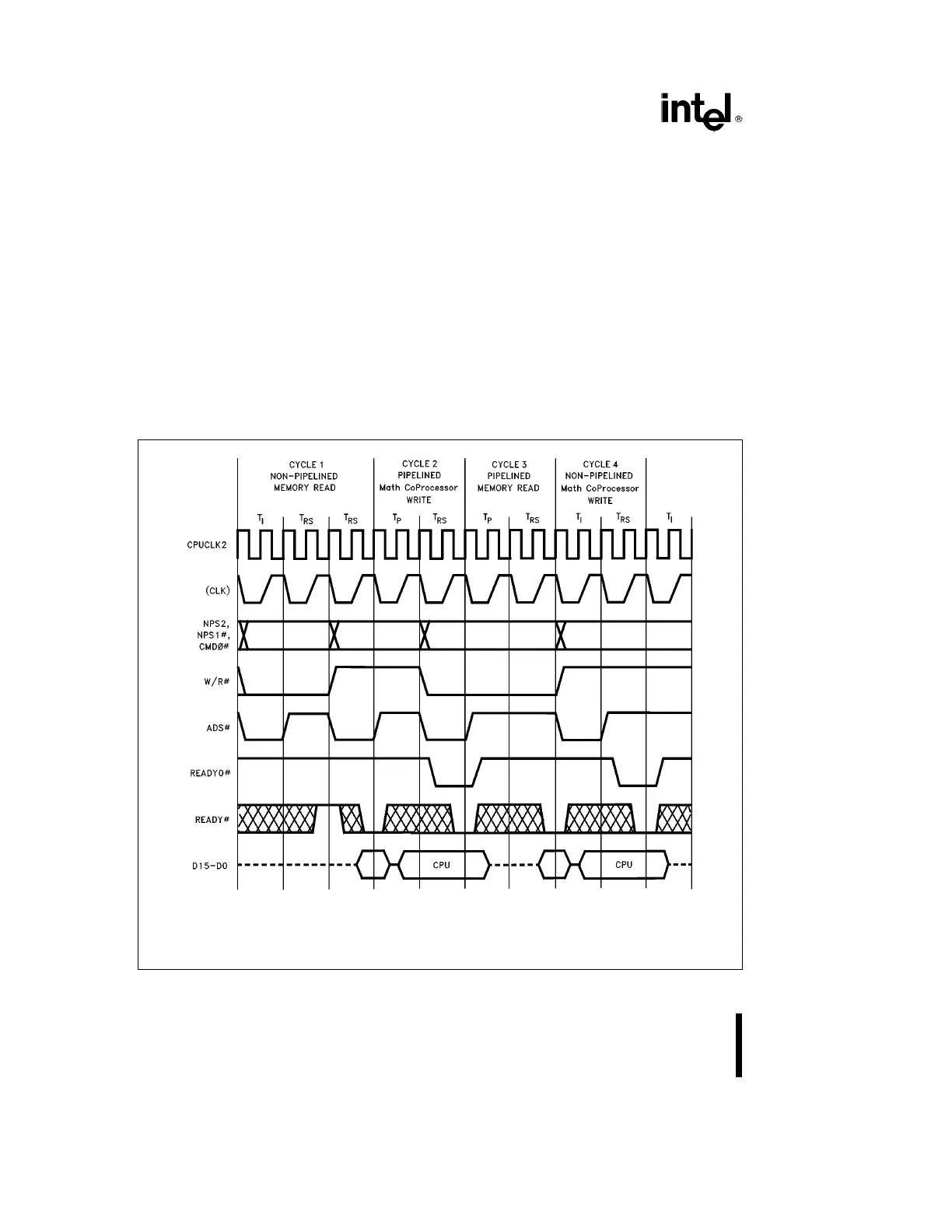
Figure 5-3 shows the fastest transitions into and out
of the pipelined bus cycles. Cycle 1 in the figure rep-
resents a non-pipelined cycle. (Non-pipelined write
are always followed by another non-pipelined cycle,
because READY
Ý
is asserted before the earliest
possible assertion of ADS
Ý
for the next cycle.)
Figure 5-4 shows pipelined write and read cycles
with one additional T
RS
state beyond the minimum
required. To delay the assertion of READY
Ý
re-
quires external logic.
5.3 Mixed Bus Cycles
When the Math CoProcessor bus logic is in the T
RS
state, it distinguishes between non-pipelined and
pipelined cycles according to the behavior of ADS
Ý
and READY
Ý
. In a non-pipelined cycle, only
READY
Ý
is activated, and the transition is from the
T
RS
state to the idle state. In a pipelined cycle, both
READY
Ý
and ADS
Ý
are active, and the transition is
first from T
RS
state to T
P
state, then, after one clock
period, back to T
RS
state.
240225–9
Cycle 1 – Cycle 4 represent the operand transfer cycle for an instruction involving a transfer of two 32-bit loads in total.
The opcode write cycles and other overhead are not shown.
Note that the next cycle will be a pipelined cycle if both READY
Ý
and ADS
Ý
are sampled active at the end of a T
RS
state of the current cycle.
Figure 5-3. Fastest Transitions to and from Pipelined Cycles
30
30


 To Next Page