AT32F421 Series Reference Manual
2022.11.11 Page 110 Rev 2.02
11.4 I
2
C interface
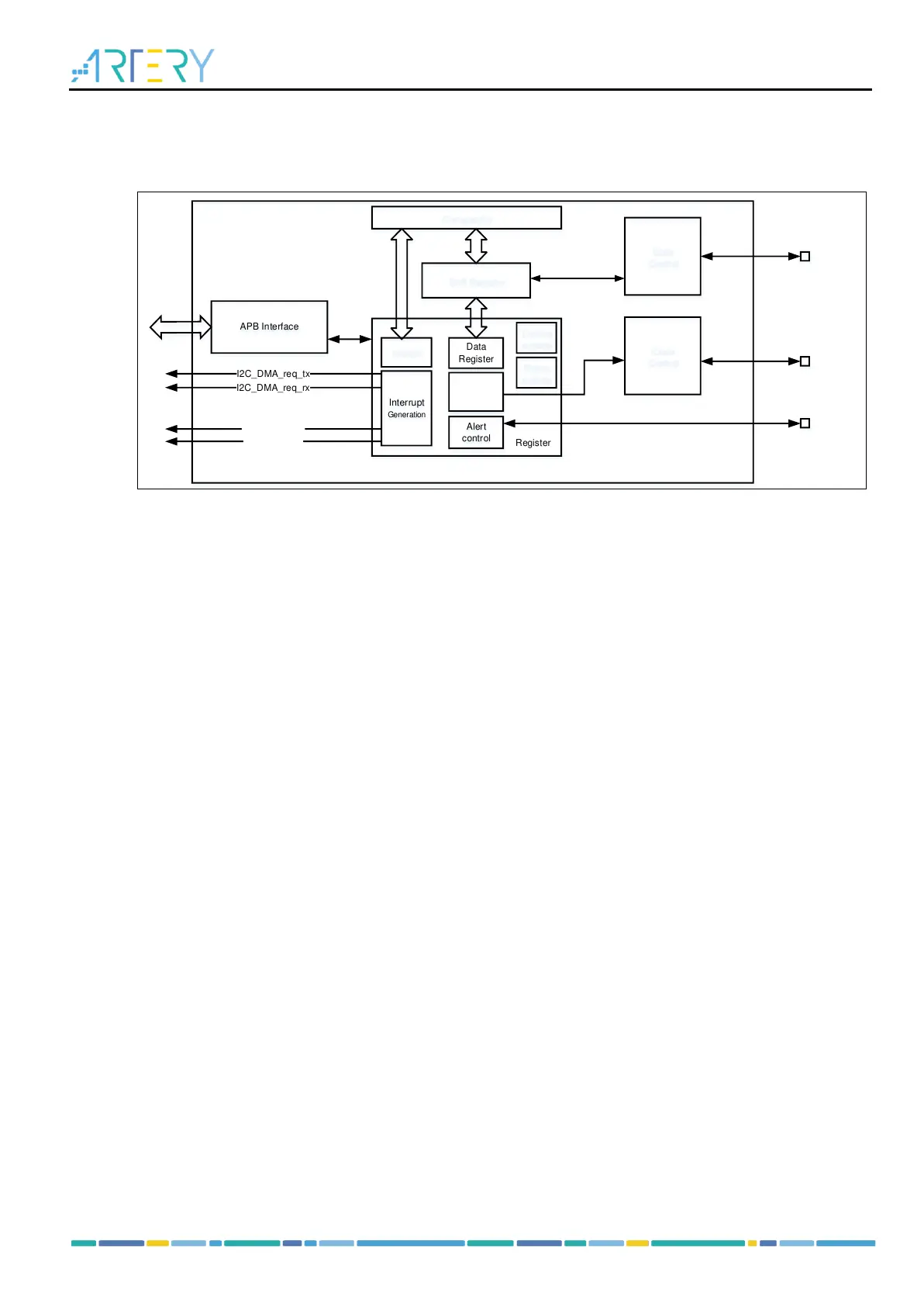
Figure 11-2 shows the block diagram of I
2
C function
Figure 11-2 I
2
C function block diagram
1. I2C clock
I
2
C is clocked by either APB1 or APB2. The I
2
C clock division is done by setting the CLKFREQ[7: 0]
in the I2C_CTRL2 register. The minimum clock frequency varies from one mode to another, that is,
at least 2 MHz in standard mode, but 4 MHz in fast mode.
2. Operating mode
I
2
C bus interface can operate both in master mode and slave mode. Switching from master mode to
slave mode, vice versa, is supported as well. By default, the interface operates in slave mode. When
GENSTART=1 is set (Start condition is activated), the I
2
C bus interface switches from slave mode to
master mode, and returns to slave mode automatically at the end of data transfer (Stop condition is
triggered).
Master transmitter
Master receiver
Slave transmitter
Slave receiver
3. Communication process
Master mode communication:
1. Start condition generation
2. Address transmission
3. Data Tx or Rx
4. Stop condition generation
5. End of communication
Slave mode communication:
1. Wait until the address is matched.
2. Data Tx or Rx
3. Wait for the generation of Stop condition
4. End of communication
4. Address control
Both master and slave support 7-bit and 10-bit addressing modes.
Slave address mode:
In 7-bit mode
― ADDR2EN=0 stands for a single address mode: only matches OADDR1
― DUALEN=1stands for dual address mode: matches OADDR1 and OADDR2



 To Next Page