5.2.3 Flushing lines
Once the metering process for this washer extractor has been completed, flushing with
water takes place.
The rinsing valve for internal water flushing opens. Fresh water now flows from the water
inlet through the mud guard and flow sensor into the rinsing valve, from there through the
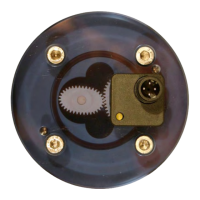
valve manifold block on the product side, through the oval gear meter, through the pumps
and on into the machine-side valve manifold block.
The water flow rate is monitored by the flow rate sensor
. The rinsing valve for the internal
water flush and the relevant valve of the valve manifold block on the machine side then
close (further metering for another washer extractor can start from that point on).
Next, the relevant rinsing valve opens for flushing water through the metering line (for M1)
and water flows through the flush line (
Ä
Chapter 4 ‘Layout’ on page 39 , Fig. 4 , no.
19) into the metering line and on to the washer extractor.
The water flow rate is monitored in turn by the flow rate sensor.
After the flushing process is ended, the rinsing valve is closed.
5.2.4 Leak
In the event of a leak in the appliance components or in the piping system, the escaping
liquid is trapped by the integrated sump (
Ä
Chapter 4 ‘Layout’ on page 39 , Fig. 4 , no.
7).
The splash guard curtain (see also
Ä
Chapter 3.2.6 ‘Transport description - suspension points’ on page 36 , Fig. 3 , No 3)
and the side walls prevent it from spraying out.
The integrated overflow floater switch generates an error signal in the control unit even
with small quantities of escaped product, which leads to a fault message.
Function description
42MAN046590 Rev. 6-03.2022




 To Next Page