8.23
Date Code 20060320 Instruction Manual SEL-311C Relay
Breaker Monitor and Metering Functions
Demand Metering
The following is a step-by-step calculation of the rolling demand response
example in Figure 8.11 (bottom).
Time = 0 Minutes
Presume that the instantaneous current has been at zero for quite some time
before “Time = 0 minutes” (or the demand meters were reset). The 3 five-
minute intervals in the sliding time-window at “Time = 0 minutes” each
integrate into the following five-minute totals:
Rolling demand meter response at “Time = 0 minutes” = 0.0/3 = 0.0 per unit
Time = 5 Minutes
The 3 five-minute intervals in the sliding time-window at “Time = 5 minutes”
each integrate into the following five-minute totals:
Rolling demand meter response at “Time = 5 minutes” = 1.0/3 = 0.33 per unit
Time = 10 Minutes
The 3 five-minute intervals in the sliding time-window at “Time = 10
minutes” each integrate into the following five-minute totals:
Rolling demand meter response at “Time = 10 minutes” = 2.0/3 = 0.67 per
unit
Time = 15 Minutes
The 3 five-minute intervals in the sliding time-window at “Time = 15
minutes” each integrate into the following five-minute totals:
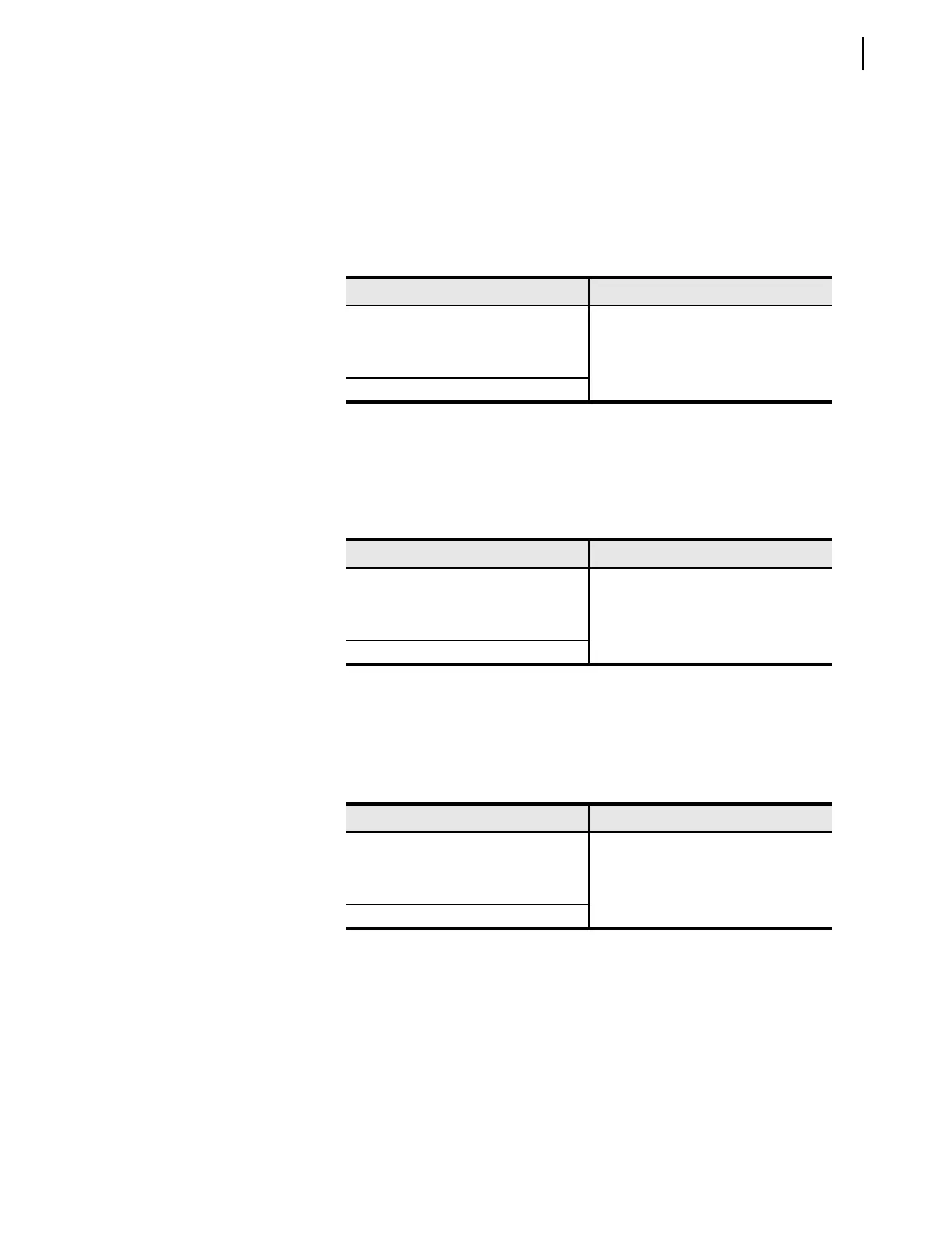
Five-Minute Totals Corresponding Five-Minute Interval
0.0 per unit –15 to –10 minutes
0.0 per unit –10 to –5 minutes
0.0 per unit –5 to 0 minutes
0.0 per unit
Five-Minute Totals Corresponding Five-Minute Interval
0.0 per unit –10 to –5 minutes
0.0 per unit –5 to –0 minutes
1.0 per unit 0 to 5 minutes
1.0 per unit
Five-Minute Totals Corresponding Five-Minute Interval
0.0 per unit –5 to 0 minutes
1.0 per unit 0 to 5 minutes
1.0 per unit 5 to 10 minutes
2.0 per unit


 To Next Page