3.5
Date Code 20060320 Instruction Manual SEL-311C Relay
Distance, Out-of-Step, Overcurrent, Voltage, Synchronism Check, and Frequency Elements
Distance Elements
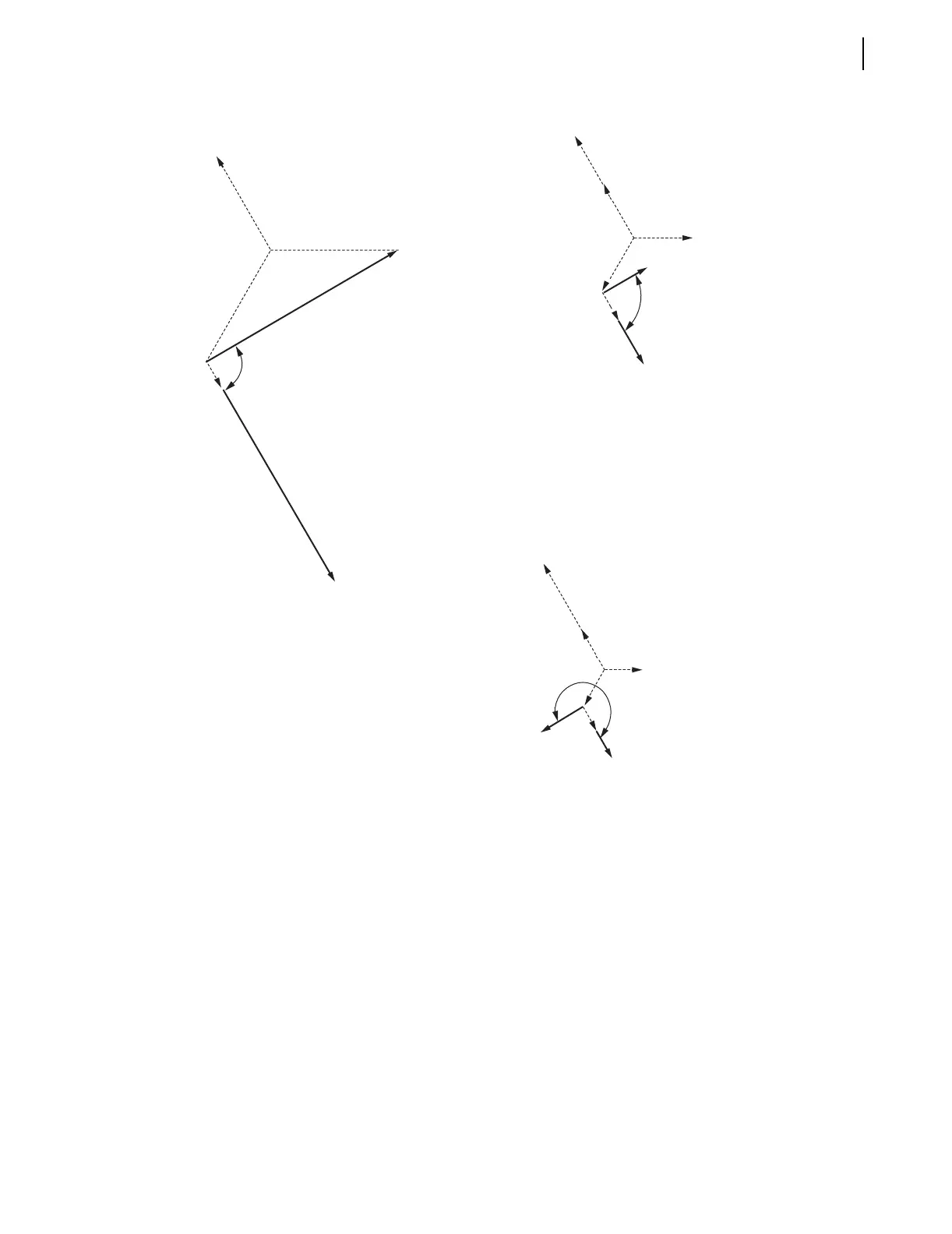
Figure 3.3 Compensator-Distance Three-Phase Element Operation
Positive-sequence polarized and compensator distance mho elements each
have different operating advantages in different protection environments, but
work equally well in the majority of transmission line applications. Consider
using compensator distance elements when:
➤ A different phase-distance operating principle is desired for
backup relaying.
➤ Protecting a transmission line through a delta-wye transformer.
The compensator distance element reaches through a delta-wye
transformer bank for phase-to-phase, phase-to-phase-to-
ground, and three-phase faults. Calculate the total primary
impedance as the sum of the per-unit transformer and line
impedances, then convert from per-unit to actual primary
impedance at the protected bus voltage. The compensator
distance element measures impedance through the transformer
V
B
Unfaulted
V
A
V
C
V
C
V
B
V
A
V
C
memV
C
mem
V
C
mem
V
A
V
B
V
C
External Fault
Internal Fault
V
AB
– Z • I
AB
V
AB
– Z • I
AB
V
AB
– Z • I
AB
Test Angle
sin (θ <180˚) > 0
Test Angle
sin (θ <180˚) > 0
Test Angle
sin (θ > 180˚) < 0
–j • V
AB
– 0.25 • V
C
mem
–j • V
AB
– 0.25 • V
C
mem
–j • V
AB
– 0.25 • V
C
mem
Note:
V
A
,
V
B
, and
V
C
are internal element voltages,
not system voltages.


 To Next Page