13.21
Date Code 20060320 Instruction Manual SEL-311C Relay
Testing and Troubleshooting
Test Procedures
Step 7. Monitor the output contact assigned to indicate the state of the
element under test to ensure that the element asserts.
a. Review the event reports to ensure that supervisory
conditions and the element under test asserted
appropriately.
Calculating Overcurrent Element Test Quantities
The SEL-311C is equipped with several different types of overcurrent
elements. Each has a specific purpose and a slightly different method of
testing. The types of overcurrent elements, the signals they operate from, and
the elements of that type are listed below.
Overcurrent Element Test Examples
Examples below illustrate the test methods used for several elements.
Single-Phase Overcurrent Element: 50P1
Step 1. Execute the SHOWSET command and verify the relay setting
for the 50P1 overcurrent element.
The example relay settings set the 50P1 element to pick up at
11.25 amps, secondary.
Step 2. Select an output contact to indicate operation of the 50P1
overcurrent element. In this example, we use the OUT106 output.
a. From Access Level 2, execute the SET L n command
to configure output OUT106 to close for assertion of the
50P1 overcurrent element.
=>>SET L 1 OUT106 <Enter>
SELogic group 1
OUT106 =0
? 50P1 <Enter>
OUT107 =0
? END <Enter>
b. After you type END <Enter> to end the set procedure,
the relay displays the current logic settings. You must
continue to type <Enter> to review the full group of
logic settings.
c. At the prompt, type Y <Enter> to accept those settings.
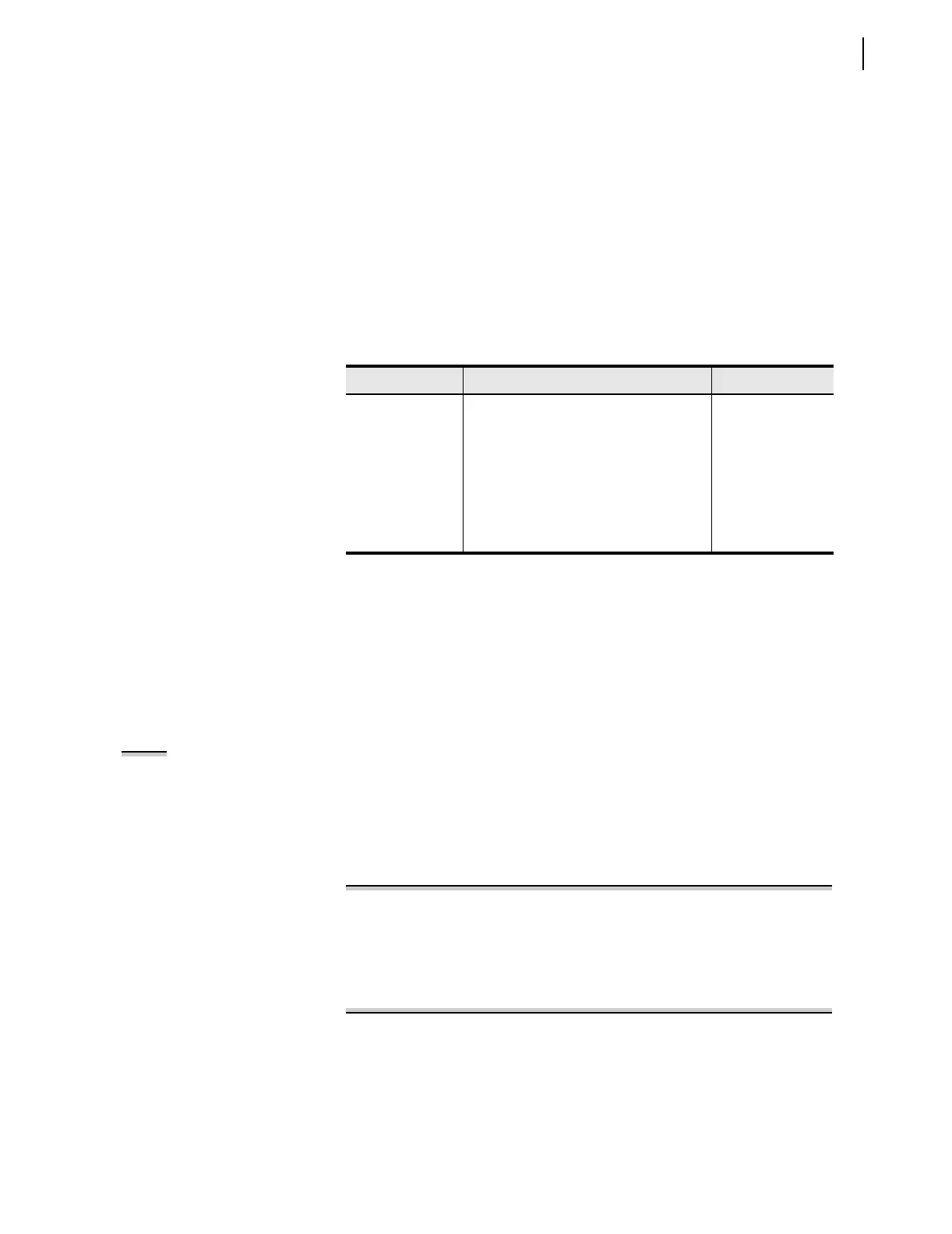
Table 13.4 Types of Overcurrent Elements
Element Type Operates Based Upon the Magnitude of: Relay Elements
Phase A-phase or B-phase or C-phase current. Test
using single-phase current.
50P1, 50P2, 50P3
Residual Residual current: I
R
= I
A
+ I
B
+ I
C
.
Test using single-phase current.
50G1, 50G2, 50G3,
50G4, 50GF, 50GR
Negative-Sequence 3 • I
2
= (I
A
+ a
2
• I
B
+ a • I
C
)
Test using single-phase current.
50Q1, 50Q2, 50Q3,
50Q4, 50QF, 50QR
Positive-Sequence I
1
= 1/3 (I
A
+ a • I
B
+ a
2
• I
C
) Test using
three-phase or single-phase current.
50ABC
NOTE: The steps taken in the
example test for the 50P1
nondirectional phase overcurrent
element may be applied to test the
50P2 and 50P3 nondirectional phase
overcurrent elements as well as the
residual and negative-sequence
overcurrent elements 50G1, 50G2,
50G3, 50G4, 50GF, 50GR, 50Q1,
50Q2, 50Q3, 50Q4, 50QF, and 50QR.


 To Next Page