1.3
Date Code 20120126 Instruction Manual SEL-2032 Communications Processor
Introduction and Specifications
Substation Integration
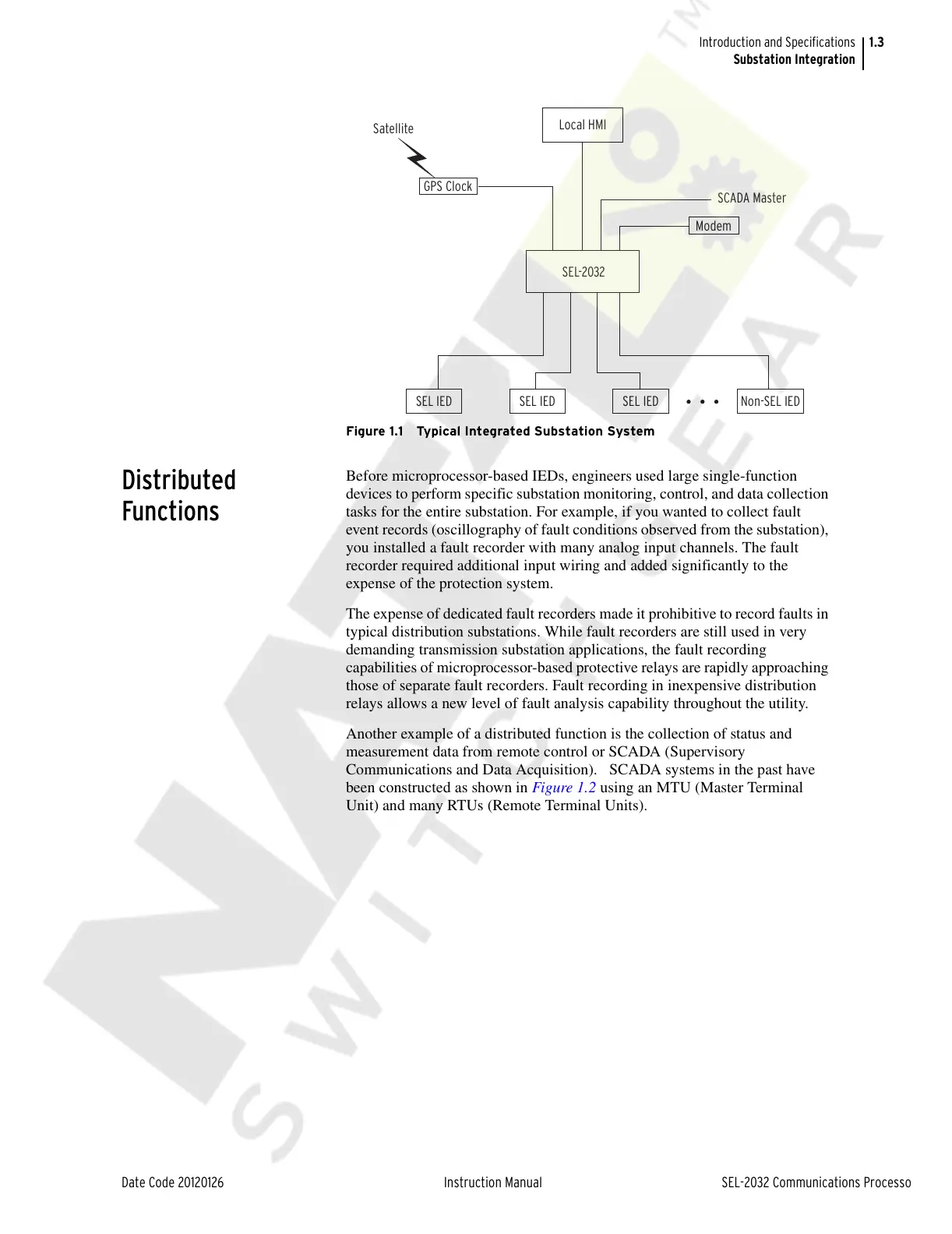
Figure 1.1 Typical Integrated Substation System
Distributed
Functions
Before microprocessor-based IEDs, engineers used large single-function
devices to perform specific substation monitoring, control, and data collection
tasks for the entire substation. For example, if you wanted to collect fault
event records (oscillography of fault conditions observed from the substation),
you installed a fault recorder with many analog input channels. The fault
recorder required additional input wiring and added significantly to the
expense of the protection system.
The expense of dedicated fault recorders made it prohibitive to record faults in
typical distribution substations. While fault recorders are still used in very
demanding transmission substation applications, the fault recording
capabilities of microprocessor-based protective relays are rapidly approaching
those of separate fault recorders. Fault recording in inexpensive distribution
relays allows a new level of fault analysis capability throughout the utility.
Another example of a distributed function is the collection of status and
measurement data from remote control or SCADA (Supervisory
Communications and Data Acquisition). SCADA systems in the past have
been constructed as shown in Figure 1.2 using an MTU (Master Terminal
Unit) and many RTUs (Remote Terminal Units).
SEL-2032
SCADA Master
Modem
GPS Clock
Satellite
Local HMI
SEL IED SEL IED SEL IED Non-SEL IED
Courtesy of NationalSwitchgear.com


 To Next Page