Chapter 14 PI-MAX4: EM Family 225
For example, when using a 16 x 16 full frame CCD matrix, possible mask and window
sizes, based on their size ratios, are shown in Table 14-1.
Of course, some of these combinations are more useful than others. For most applications,
specifying a 1 pixel tall window will not provide much useful data. On the other hand,
specifying a 1:1 ratio may not take full advantage of the timing resolution to be gained by
implementing Kinetics mode. So there are trade offs that need to be carefully assessed when
designing an experiment using Kinetics mode.
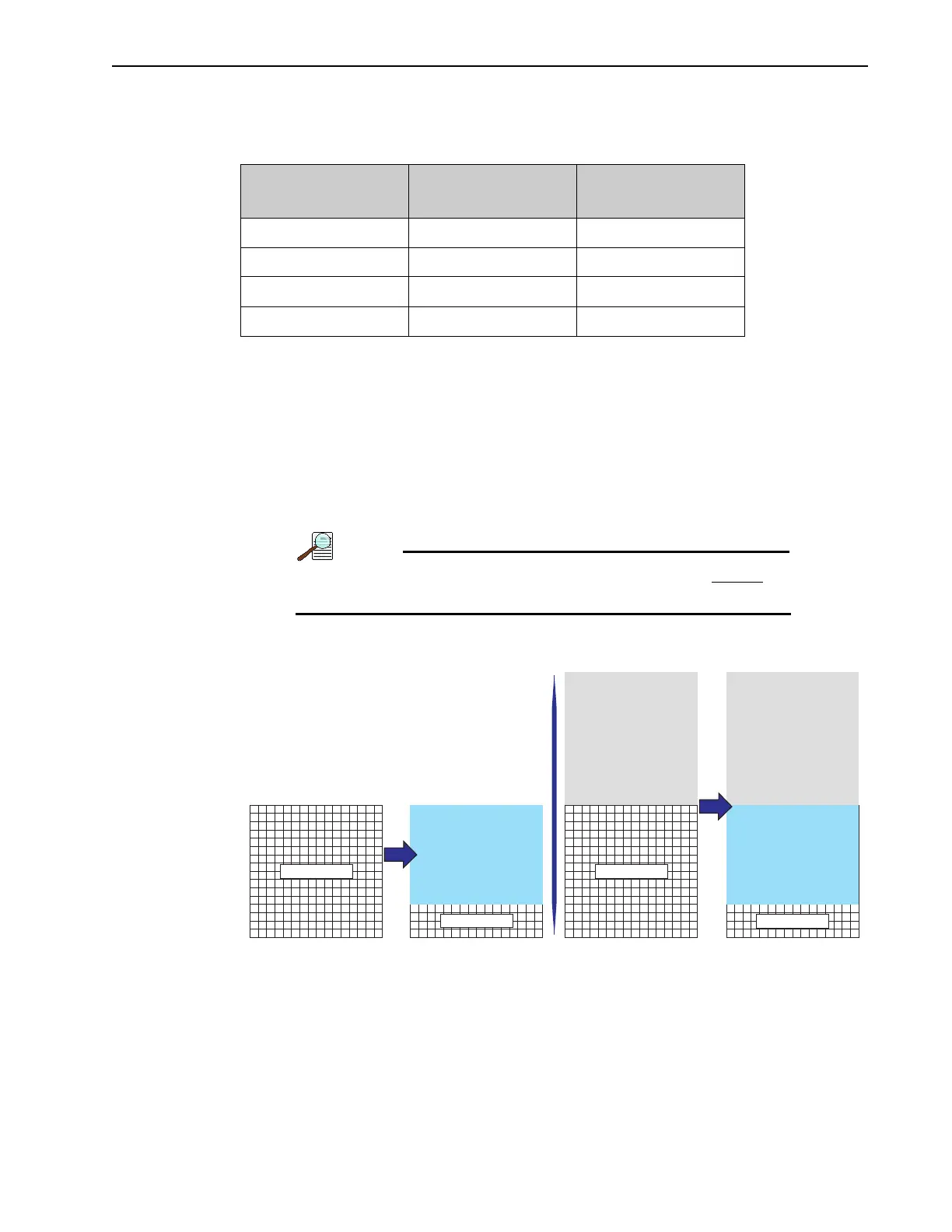
Figure 14-10 shows typical Full-Frame and Frame Transfer CCDs with and without
Kinetics masking. In both cases, all but four rows of the normal sensor areas have been
masked for Kinetics mode.
The exposure area is the section of the EMCCD that is farthest
from the serial register.
Figure 14-10:Typical Full-Frame and Frame Transfer CCDs, Kinetics Masking
Table 14-1: Mask/Window Sizes for 16 x 16 CCD, Full Frame
Mask Size
(Rows)
Window Size
(Rows)
Mask:Window
Ratio
15 1 15
14 2 7
12 4 3
881
Typical Frame Transfer CCDTypical Full-Frame CCD
Kinetics-Masked
Region
Sensor Window
Sensor Area
Sensor Window
Kinetics-Masked
Region
Frame Transfer
Region
Sensor Area
Frame Transfer
Region


 To Next Page