Principles of Operation Teledyne API T703/T703U Calibrator Operation Manual
196
Calibrator Operations
Calibration Procedures
Configuration Procedures
Autonomic Systems
Diagnostic Routines
Memory Handling
Calibration Data
System Status Data
Interface Handling
Sensor input Data
Touchscreen
Analog Output Data
RS232 & RS485
External Digital I/O
Measurement
Algorithms for
photometer
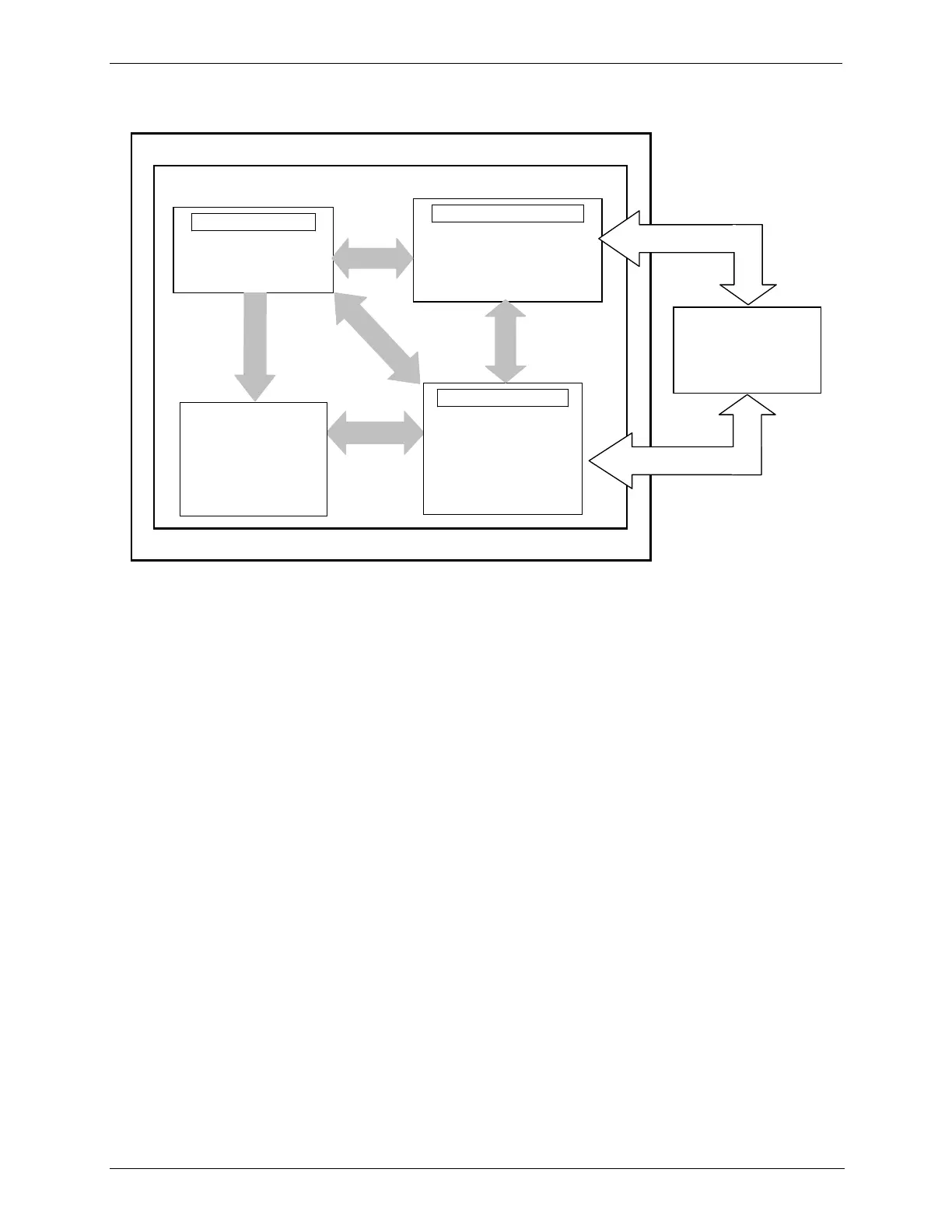
Figure 9-12: Schematic of Basic Software Operation
9.5. O
3
GENERATOR OPERATION
PRINCIPLE OF PHOTOLYTIC O
3
GENERATION 9.5.1.
Ozone is a naturally occurring substance that is sometimes called "activated
oxygen". It contains three atoms of oxygen (O
3
) instead of the usual two found in
normal oxygen (O
2
) that is essential for life. Because of its relatively short half-
life, ozone cannot be bottled and stored for later use and there fore must always
be generated on-site by an ozone generator. The two main principles of ozone
generation are UV-light and corona discharge. While the corona-discharge
method is most common because of its ability to generate very high
concentrations (up to 50%), it is inappropriate for calibration needs since the level
of fine control over the O
3
concentration is poor. Also, the corona discharge
method produces a small amount of NO
2
as a byproduct, which also may be
undesirable in a calibration application
The UV-light method is most feasible in calibration application where production
of low, accurate concentrations of ozone desired. This method mimics the
radiation method that occurs naturally from the sun in the upper atmosphere
producing the ozone layer. An ultra-violet lamp inside the generator emits a
precise wavelength of UV Light (185 nm). Ambient air] is passed over an
ultraviolet lamp, which splits some of the molecular oxygen (O
2
) in the gas into
individual oxygen atoms which attach to other existing oxygen molecules (O
2
),
forming ozone (O
3
).



 To Next Page