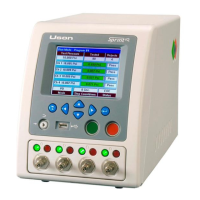
QmR Modbus 9-1
9
Chapter 9
QmR Modbus
9.1 Introduction
The QmR is optionally provisioned through licensing add-ons to support
independent control and monitoring via Modbus. In order for this to function
correctly, the system must be properly engineered and installed.
The QmR can communicate with host systems through its serial port, and follows
the Modbus communications protocol to allow easy integration into distributed
control systems. This document describes the QmR Modbus implementation in
three sections, with progressively greater detail in each section:
• Overview
• Data structure
• Modbus Technical reference
9.1.1 Overview
The QmR can communicate with host system through it serial port. The QmR
follows the Modbus communication protocol to allow easy integration into
distributed control or automated management systems. The QmR acts as a slave to
a host system, providing remote access to all data and settings, including the
following:
• Operational status
• Operational control
• Events/Alarms
• Test Parameters
• Test Results
• History
Note: Since the QmR is a slave to its Modbus host, the host system must poll the
QmR regularly to identify alarms and other changes in status.
QmR provides a mapping feature that allows the user to select the features for
accessing data and control. Note that in the “QmR Data Structure” Section, the
example is presented as if all data and control features were mapped, which is an
unlikely scenario. The “Default Modbus Setup” section provides the default
Modbus setup that users can use or modify as required.



 To Next Page