T .s ,,IcoNv,,, I CALCO T,O.,.O,W,,.,N,X,,PO0.
FADD, L,~(~a~,EPO I START ITRANSFERI SYNCHRONIZE ~l
I
, ,,
EXCEPTION PROCESSING r I PROCESSING
EXCEPTION
HANDLER
FSAVE
8S;T 8IT 27 OF BIU FLAG
FRESTORE
RTE
INTERRUPT
HANDLER
FSAVE
FR;STORE
mE
I
--'--~"[ CONVERT I CALCULATE I STORE, [
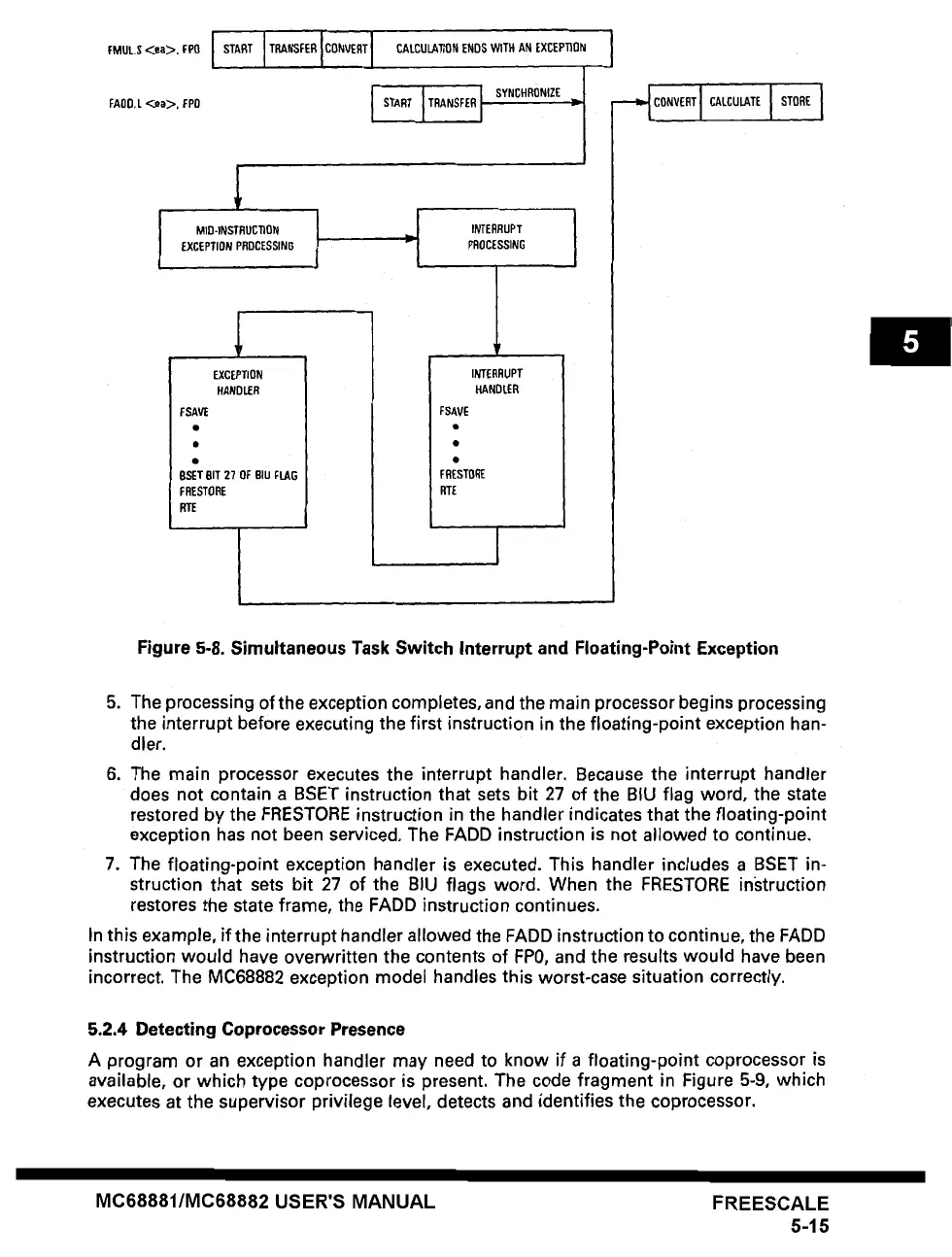
Figure 5-8. Simultaneous Task Switch Interrupt and Floating-Point Exception
5. The processing of the exception completes, and the main processor begins processing
the interrupt before executing the first instruction in the floating-point exception han-
dler.
6. The main processor executes the interrupt handler. Because the interrupt handler
does not contain a BSET instruction that sets bit 27 of the BIU flag word, the state
restored by the FRESTORE instruction in the handler indicates that the floating-point
exception has not been serviced. The FADD instruction is not allowed to continue.
7. The floating-point exception handler is executed. This handler includes a BSET in-
struction that sets bit 27 of the BIU flags word. When the FRESTORE instruction
restores the state frame, the FADD instruction continues.
In this example, if the interrupt handler allowed the FADD instruction to continue, the FADD
instruction would have overwritten the contents of FP0, and the results would have been
incorrect. The MC68882 exception model handles this worst-case situation correctly.
5.2.4 Detecting Coprocessor Presence
A program or an exception handler may need to know if a floating-point
coprocessor
is
available, or which type coprocessor is present. The code fragment in Figure 5-9, which
executes at the supervisor privilege level, detects and identifies the coprocessor.
MC68881/MC68882 USER'S MANUAL
FREESCALE
5-15



 To Next Page