CHAPTER 7: PROTECTION GROUPED PROTECTION ELEMENTS
D90
PLUS
LINE DISTANCE PROTECTION SYSTEM – INSTRUCTION MANUAL 211
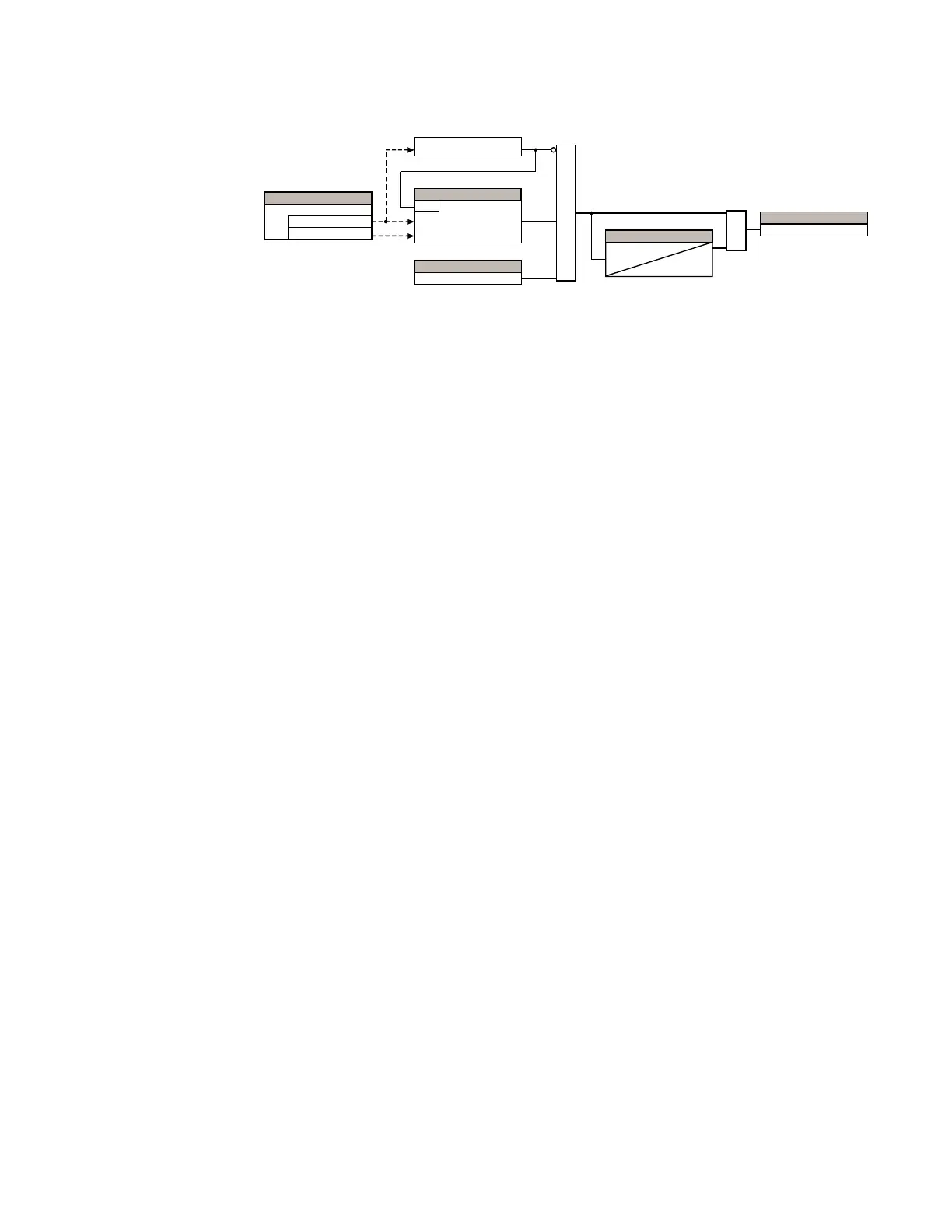
Figure 187: Ground directional supervision logic
Power swing detect
The power swing detect element provides both power swing blocking and out-of-step
tripping functions. The element measures the positive-sequence apparent impedance and
traces its locus with respect to either two or three user-selectable operating characteristic
boundaries. Upon detecting appropriate timing relations, the blocking and/or tripping
indications are given through FlexLogic operands. The element incorporates an adaptive
disturbance detector. This function does not trigger on power swings, but is capable of
detecting faster disturbances—faults in particular—that can occur during power swings.
Operation of this dedicated disturbance detector is signaled via the POWER SWING 50DD
operand.
The power swing detect element asserts two operands intended for blocking selected
protection elements on power swings: POWER SWING BLOCK is a traditional signal that is
safely asserted for the entire duration of the power swing, and POWER SWING UN/BLOCK is
established in the same way, but resets when an extra disturbance is detected during the
power swing. The POWER SWING UN/BLOCK operand can be used for blocking selected
protection elements if the intent is to respond to faults during power swing conditions.
Different protection elements respond differently to power swings. If tripping is required for
faults during power swing conditions, some elements can be blocked permanently (using
the POWER SWING BLOCK operand), and others can be blocked and dynamically unblocked
upon fault detection (using the POWER SWING UN/BLOCK operand).
View the operating characteristic and logic figures along with the following discussion to
understand the operation of the element.
The power swing detect element operates in three-step or two-step mode, as follows:
• Three-step operation — The power swing blocking sequence essentially times the
passage of the locus of the positive-sequence impedance between the outer and the
middle characteristic boundaries. If the locus enters the outer characteristic
(indicated by the POWER SWING OUTER FlexLogic operand) but stays outside the middle
characteristic (indicated by the POWER SWING MIDDLE FlexLogic operand) for an interval
longer than the
Delay 1 Pickup setting, the power swing blocking signal (POWER SWING
BLOCK FlexLogic operand) is established and sealed-in. The blocking signal resets
when the locus leaves the outer characteristic, but not sooner than the time specified
by the
Delay 1 Reset setting.
• Two-step operation — If the two-step mode is selected, the sequence is identical to
the three-step operation, but it is the outer and inner characteristics that are used to
time the power swing locus.
The out-of-step tripping feature operates as follows for three-step and two-step power
swing detection modes:
• Three-step operation — The out-of-step trip sequence identifies unstable power
swings by determining if the impedance locus spends a finite time between the outer
and middle characteristics and then a finite time between the middle and inner
characteristics. The first step is similar to the power swing blocking sequence. After
9B!YROWV
581
=HURVHTXHQFHGLUHFWLRQDO
$&'5
$1'
25
&RRUGLQDWLQJWLPH
3LFNXSF\FOH5HVHWF\FOH
6RXUFH
6(77,1*
9B
,B
23(132/(23
)/(;/2*,&23(5$1'
7
SNS
7
UVW
*1'',67=6831
)/(;/2*,&23(5$1'
7,0(5
&+$5$&7(5,67,&


 To Next Page