9.9 Video Telephony
9.9.1 Overview
IP telephony using the SIP protocol can do more than "just" transmit the data for
voice connections, it can also transmit video data using a local network or the Inter-
net. Several softphones currently use the SIP protocol for voice and video phone
connections. To be able to do this, the voice and video data needs to be com-
pressed so that the application can display smooth live video even when the band-
width is low (e.g. 126 kbps upstream).
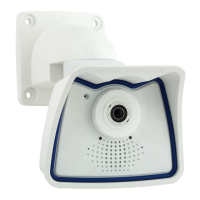
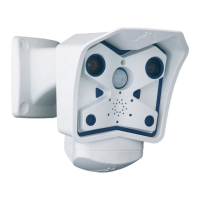
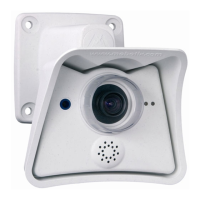
With the current production software, the MOBOTIX M22, M12 and D12 cameras (IT
and Secure models) support video telephony. Older cameras of these models will
support video telephony when loading the free software update. The video
telephony feature expands the range of application scenarios for MOBOTIX
cameras:
• Video telephony via Internet
• Video telephony on the LAN
• Access control and intercom systems (door communication)
The requirements and the configuration for SIP video telephony are mostly identical
to those of SIP voice telephony (see section 9.2,
VoIP Settings for IP Telephony
). The
only difference is the Video parameter in Admin Menu > VoIP Settings, which has
to be set to
Enabled
.
Besides the MOBOTIX camera, a video-capable softphone is essential to use the
video telephony features (e.g. Counterpath eyebeam). Softphones are available for
a number of operating systems, such as Windows, Macintosh, Linux/UNIX and an
array of PDAs and mobile (cell) phones.
© MOBOTIX AG • Security-Vision-Systems • Made in Germany
www.mobotix.com • sales@mobotix.com • 10.10.2006
268/288
Software Camera Manual Part 2
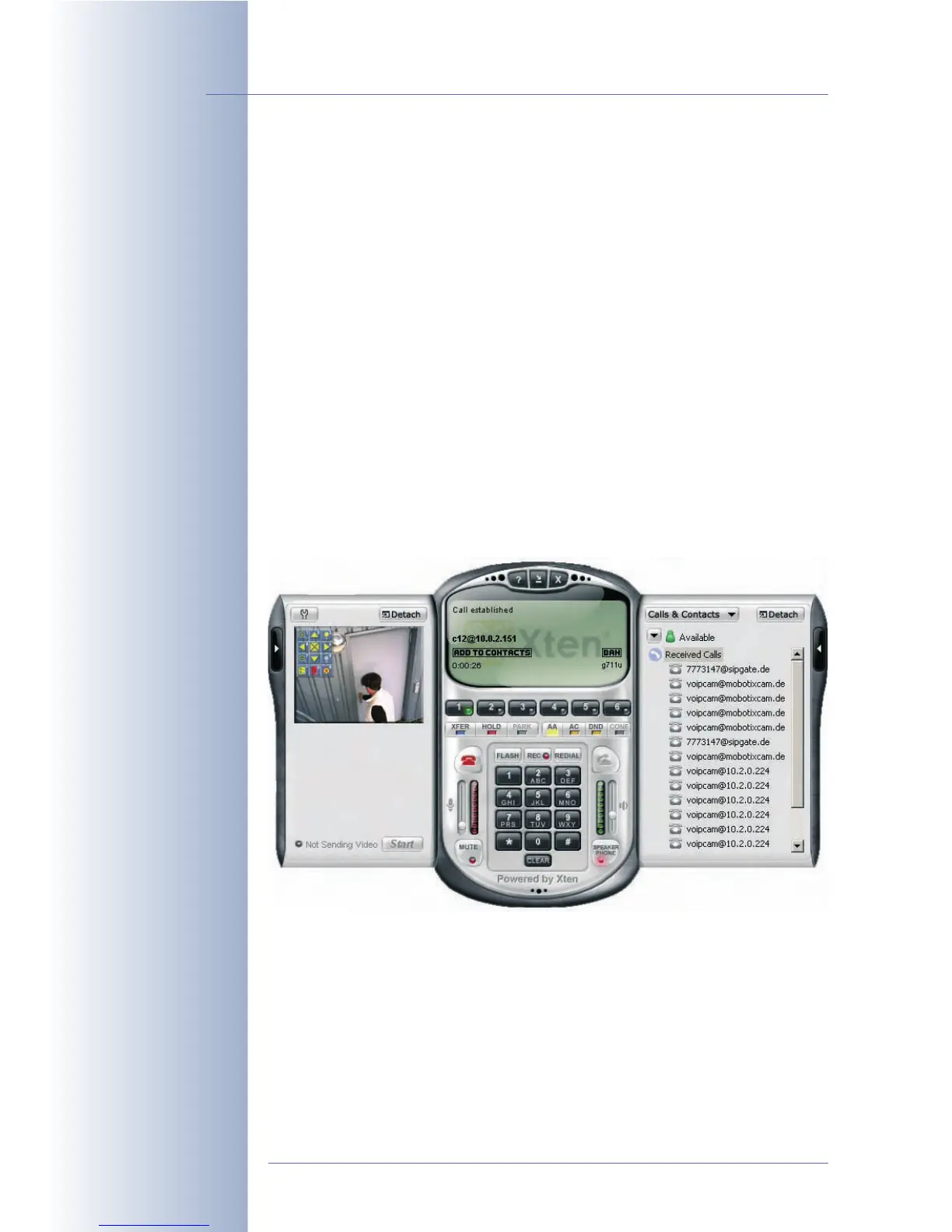
eyebeam softphone with
video SIP connection,
camera image and dis-
played legend
The camera is remote-
controlled using the
softphone keys


 To Next Page