4.98
SEL-751A Relay Instruction Manual Date Code 20100129
Protection and Logic Functions
Arc-Flash Protection
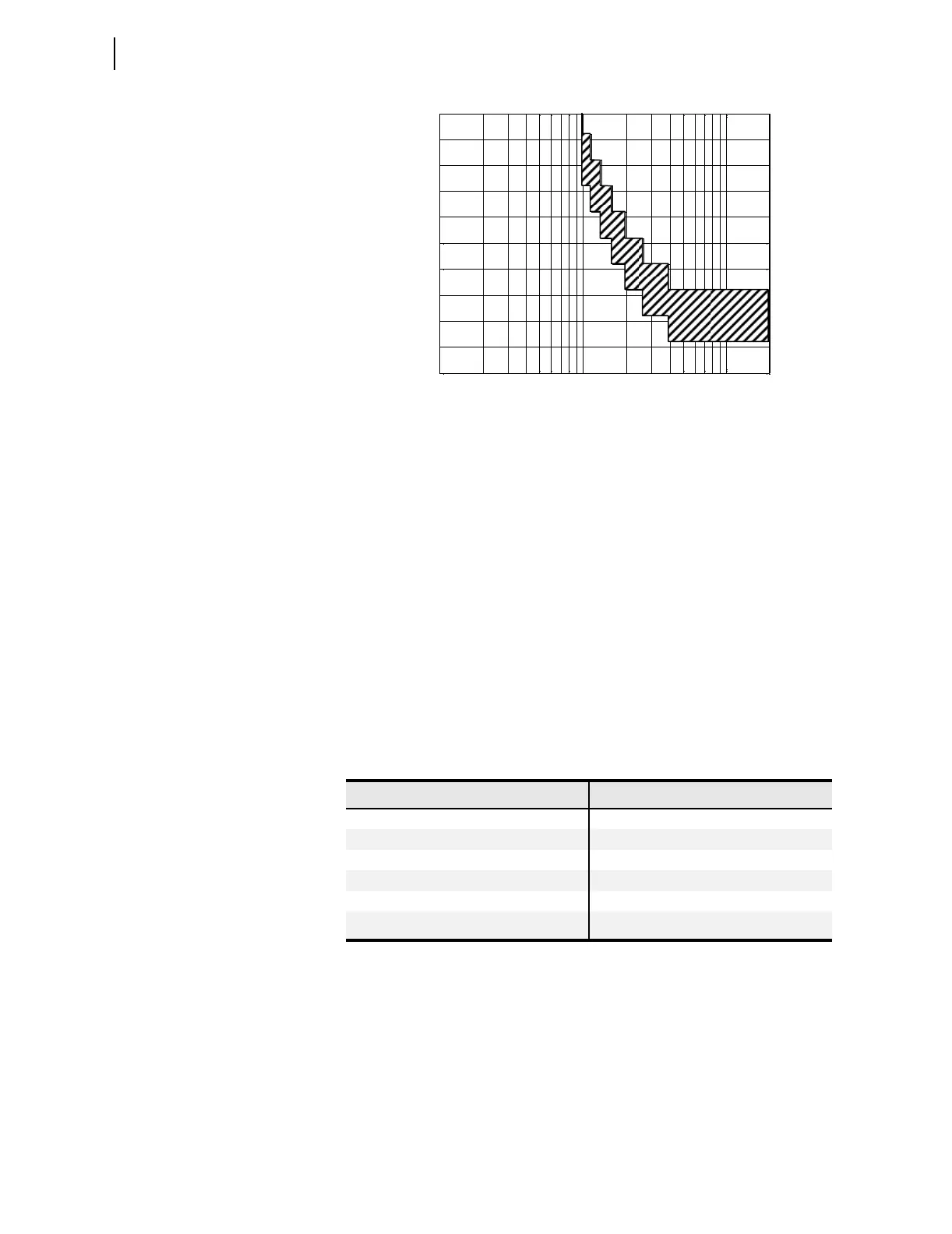
Figure 4.54 TOL Element Inverse Curve Characteristic
Setting the Arc-Flash Time-Overlight Element
Given the critical nature of the arc-flash protection function it is recommended
that the element be set based on the ambient light level. This approach
guarantees maximum sensitivity coupled with the fastest tripping time.
Typical ambient light levels are shown in Table 4.45. It is easy to see, that the
arc-flash event significantly exceeds virtually all illumination levels normally
found in a substation environment. The only exception is exposure to direct
sunlight, which can easily reach or exceed arc-flash TOL element setting
thresholds.
TOL Pickup is typically set based on the ambient light level. Ambient light is
continuously measured and can be easily displayed by using the front panel
METER > Light Intensity menu as well as MET L command. Set the pickup
above the highest normal light intensity expected at each light sensor
installation.
Arc-flash protection, in general, requires both the measuring of an overcurrent
(50PAF) and the detection of light (TOLn). The output logic should in most
cases be the AND of the 50PAF and TOLn outputs. In applications where
intermittent loss of load can be tolerated (non critical loads), it may be
desirable to operate without overcurrent element supervision
(OUTxxx := TOLn), relying only on the light detection element instead of
10
-1
10
0
10
1
0
0.5
1
1.5
2
2.5
3
3.5
4
4.5
5
Multiples of TOL Pickup
Time [1/16 cycle]
Table 4.45 Typical Ambient Illumination Light Levels
Light Level Example
50 lux Living room
80 lux Brightly lit room
500 lux Brightly lit office
1,000 lux TV studio
> 20,000 lux Direct sunlight
20,000 to >1,000,000 lux Arc-flash event
a
a
A. D. Stokes, D. K. Sweeting, "Electric Arc Burn Hazards", IEEE Transactions on industry
applications, Vol. 42, No. 1. January/February 2006.


 To Next Page