16. Advanced Programming 295
16.3 Highlight and Lowlight
Pressing the Highligh t key temporarily adjusts the selected fixtures to ‘open white’, with
intensity at full and all other parameters at their default settings. This function can be useful
when you want to see the beam of a fixture on a lit stage, when assigning focus positions for
example. Highlight only changes the parameter values in the output, not in the current cue or
in the Programmer or editor, and highlight has the highest priority when the console
determines a parameter's output value.
Highlight will remain active until you press the Highlight key again, and you can use the
Next and Ba ck keys to highlight in turn each fixture in the current selection.
You can release each parameter from highlight by adjusting its value in the Programmer or
editor, letting you modify parameters whilst keeping the fixture beam as visible as possible.
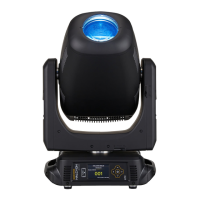
For example, suppose that you have a Studio Spot 575 subtly lighting a part of the stage
setting with a dark blue breakup gobo, softened using the frost parameter and with the iris
controlling the beam size. The piece of set that the Studio Spot is lighting has been moved,
and you need to refocus it while keeping the rest of the lighting state on stage so that
rehearsals can continue. To do this using Highlight:
1. Select the Studio Spot in the Programmer.
2. Press the Highlight key. The Studio Spot will retain its position on stage, but the
intensity will go to full, the colour to white, the gobo and frost to open, and the iris to
100%, so that you can see the beam clearly on the lit stage.
3. Adjust the pan and tilt parameters to position the Studio Spot as required.
4. Adjust the iris parameter to give the correct beam size.
5. Press the Highlight key again to release the colour, gobo and frost parameters from
Highlight, so that they return to their original programmed values. The values for pan,
tilt and iris retain their new values in the Programmer.
6. Press Upda te and O K to record the changes in the appropriate cue; see Auto Update.
16.3.1 Customizing Highlight
By default, highlight brings intensity to full, with all colour and beam parameters at their
default values. However, you can use a palette to assign the highlight values for each
parameter of each fixture. This can be useful as the default highlight values for some
parameters may not be what you want; for example, you may prefer to leave zoom, focus and
iris settings unaltered by Highlight so that you can see the programmed beam size and edge
quality.
To assign a pre-existing palette to be the highlight palette, right-click it in the palette directory
and select it as the highlight palette. The highlight palette is shown by the icon in the
palette directory window.
Tip: You can use masking when creating the highlight palette to ensure that all the required
parameter types are included; see Recording Palettes with Kind Masking.



 To Next Page