Probe Setup, Operations, Probe Modifiers
User Manual Version 002 BRUKER BIOSPIN 47 (327)
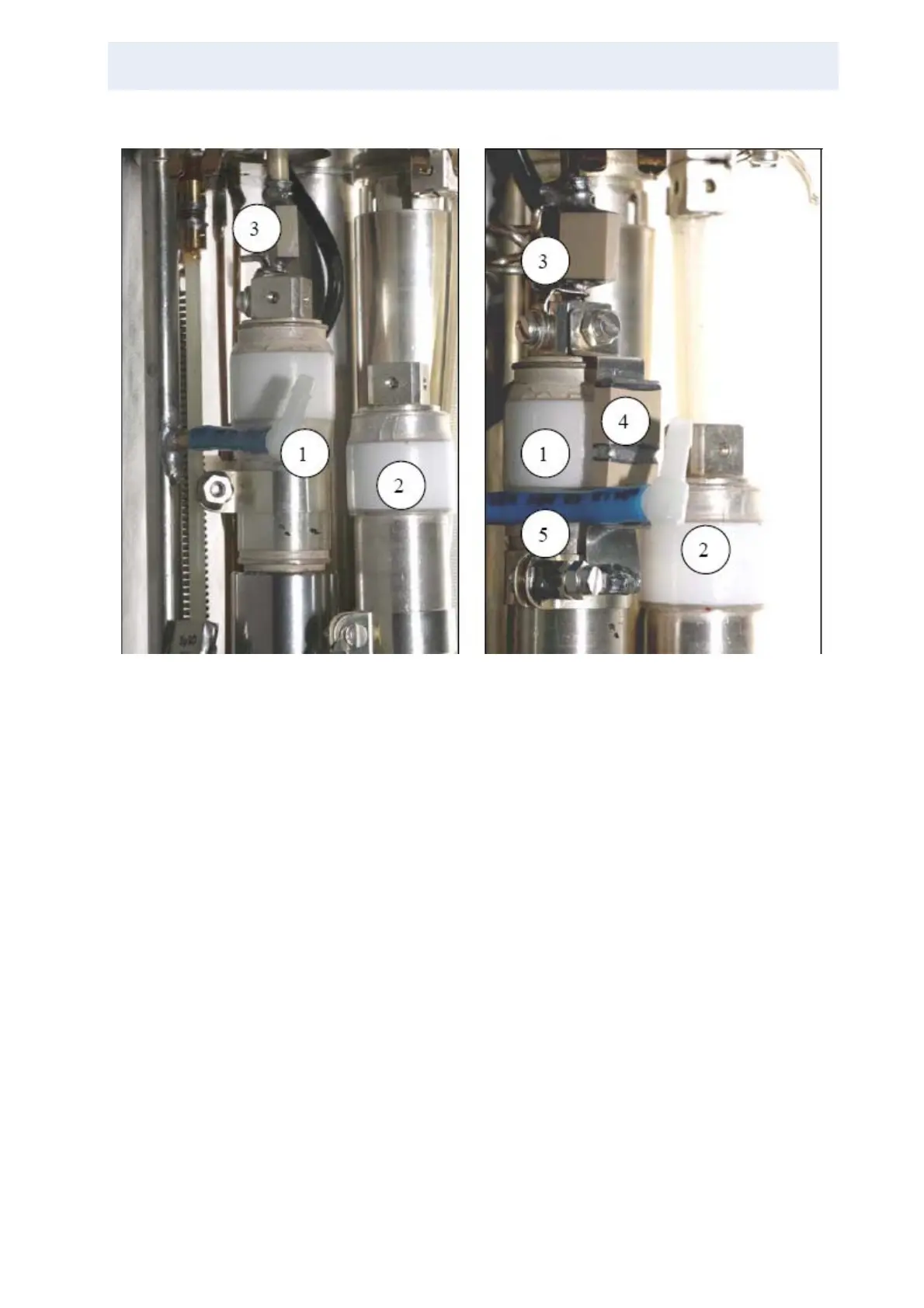
Figure 3.37. Without/with Parallel Capacitance to Shift the Tuning Range to Lower
Frequency
Adding a parallel capacitance does not decrease the efficiency of a circuit. How-
ever, a certain circuit has the highest possible efficiency if it is tuned with maxi-
mum inductance and minimum capacitance. Maximum inductance can usually not
be achieved due to spacial restrictions in the stator (MAS probes) or due to losses
in Q if the coil becomes too large (increase in resistance). Furthermore, capaci-
tances are tunable, inductances usually are not, so a wide tuning range can only
be achieved via exchangeable inductances and/or capacitance with a wide tuning
range. Capacitances may look different than the one shown in the picture. Fre-
quently, two larger capacitances are used in series to form a smaller capacitance
withstanding higher voltage. A parallel capacitance lowers and narrows the tuning
range.
1. X-tuning variable capacitance
2. Y-tuning capacitance
3. Proton reject filter
4. Low range extension with parallel capacitance
5. Frame flush air outlet (to protect sensitive ca-
pacitors)



 To Next Page