Decoupling Techniques
User Manual Version 002 BRUKER BIOSPIN 93 (327)
The off-resonance condition depends on the RF-field of irradiation, not very sensi-
tively however. The irradiation frequency jumps between +/- (RF-field)/sqrt(2) for
the duration of two 360°pulses on resonance (=293° pulses at the LG-frequency)
with a 0/180° phase alternation. The include file <lgcalc.incl> calculates all values
according to the RF-field (set in Hz as cnst20) within the pulse program.
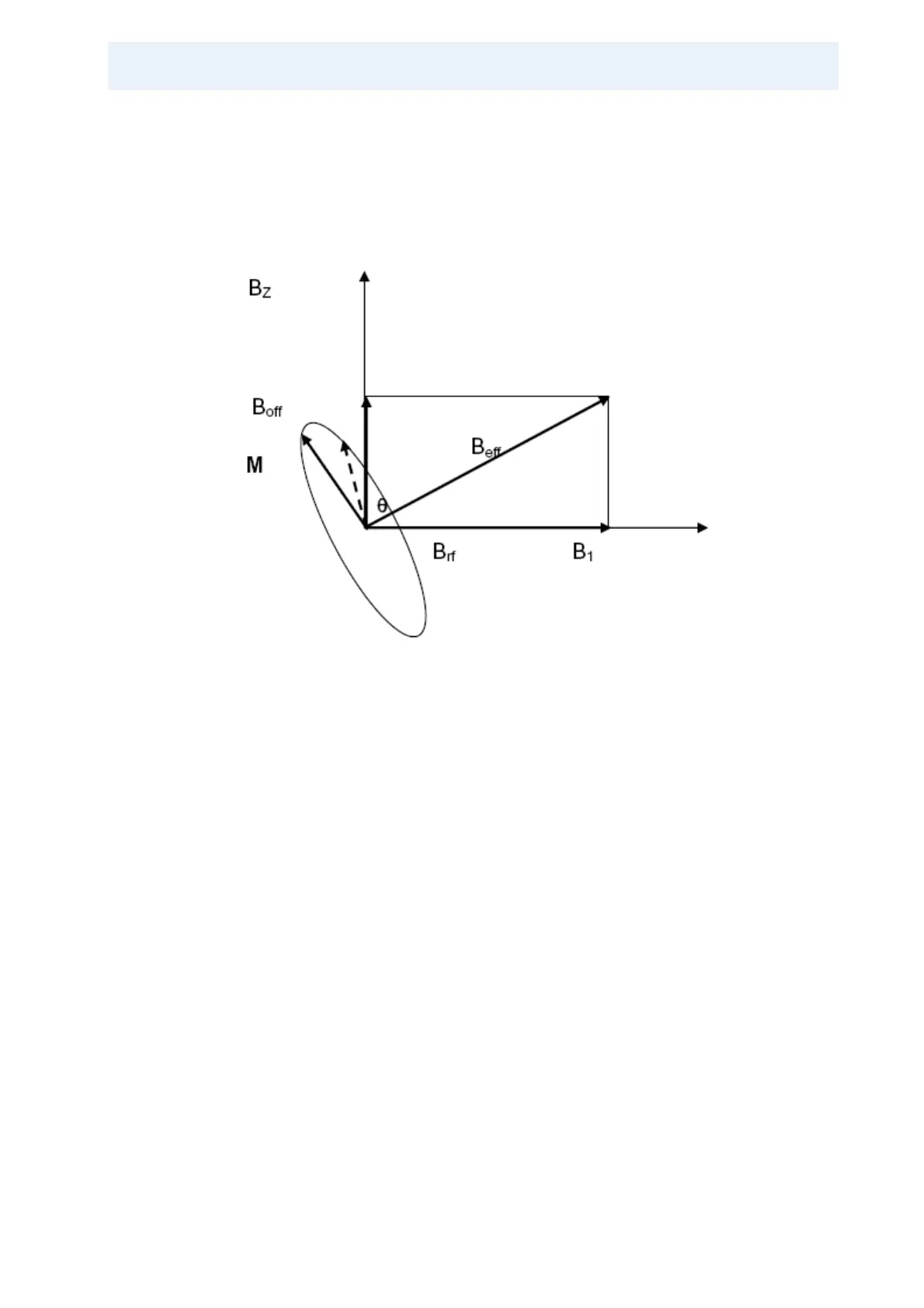
Figure 5.2. Geometry for the FSLG Condition
Note that B
eff
points along the 1 1 1 direction in the 3 dimensional space (see Ref-
erence 2). Note the sign of B
off
when calculating the actual direction of the effec-
tive field. A positive B
off
and a B
1
with phase 0 results in the effective field being in
the positive quadrant along the magic angle in the X-Z plane of the rotating frame.
Two methods are available to achieve such a frequency switch experimentally.
One method is simultaneous switching of frequencies and phases. The other
method uses phase-modulation. Frequency, time and phase relate to each other
as derivative of phase and time as to get
= .../. The relationship describes the
rate at which a phase of the rf-pulse must be changed in order to achieve a cer-
tain frequency offset. Vinogradov et al. describe this approach under the acronym
PMLG (Phase Modulated Lee Goldburg).
Used in combination with cp signal generation, both methods allow observing pro-
ton-J-couplings to the observed X-nucleus. However, only samples with very nar-
row lines will produce well resolved J-couplings as shown below on adamantane.
Harder solids require careful adjustment and fairly high power levels to show
barely resolved couplings, since the linewidths achieved are broader than what
can be achieved with standard decoupling sequences like tppm. Since the hetero
-
nuclear X-H-coupling remains, there may be spinning sidebands from this cou-
pling, in addition to CSA sidebands.



 To Next Page