Probe Setup, Operations, Probe Modifiers
User Manual Version 002 BRUKER BIOSPIN 49 (327)
ton channel tuned to
19
F and
1
H, so there are only 3 RF connectors. Check
Figure 3.9.
, Figure 3.10., Figure 3.11., Figure 3.12. for the connection of such
probes.
So the double tuning of the X channel into an X and a Y channel is an optional op-
eration available for WB probes. SB probes are always fixed multi channel
probes, with no option to insert/remove an RF channel.
Such probes have 2 complete X-tuning circuits, almost identical in construction.
Activating the second channel means: Insert a filter which is tuned to reject at the
exact X-frequency (exactly to
13
C frequency for a
13
C/
15
N-
2
H probe). The X chan-
nel frequency is fixed to the specified frequency (in this case,
13
C), while the Y fre-
quency has a broader tuning range (in this case
15
N-
2
H). With different filter-
inserts, that same probe can be modified to different frequency combinations, with
the following restrictions:
1. A frequency outside the tuning range of the probe in double mode cannot be
reached in triple mode (for instance, if the probe in double mode does not tune
to
31
P, a triple insert for
31
P-
13
C cannot be provided (without a frequency range
shift shown in Figure 3.34.
). As the triple tuning insert will act as a load to the
whole circuit, the frequency range will shift a bit to lower frequencies.
2. Both frequencies (X and Y) should be within the same basic probe tuning
range high or low (λ/2 (high range) or (λ/4 (low range)) mode.
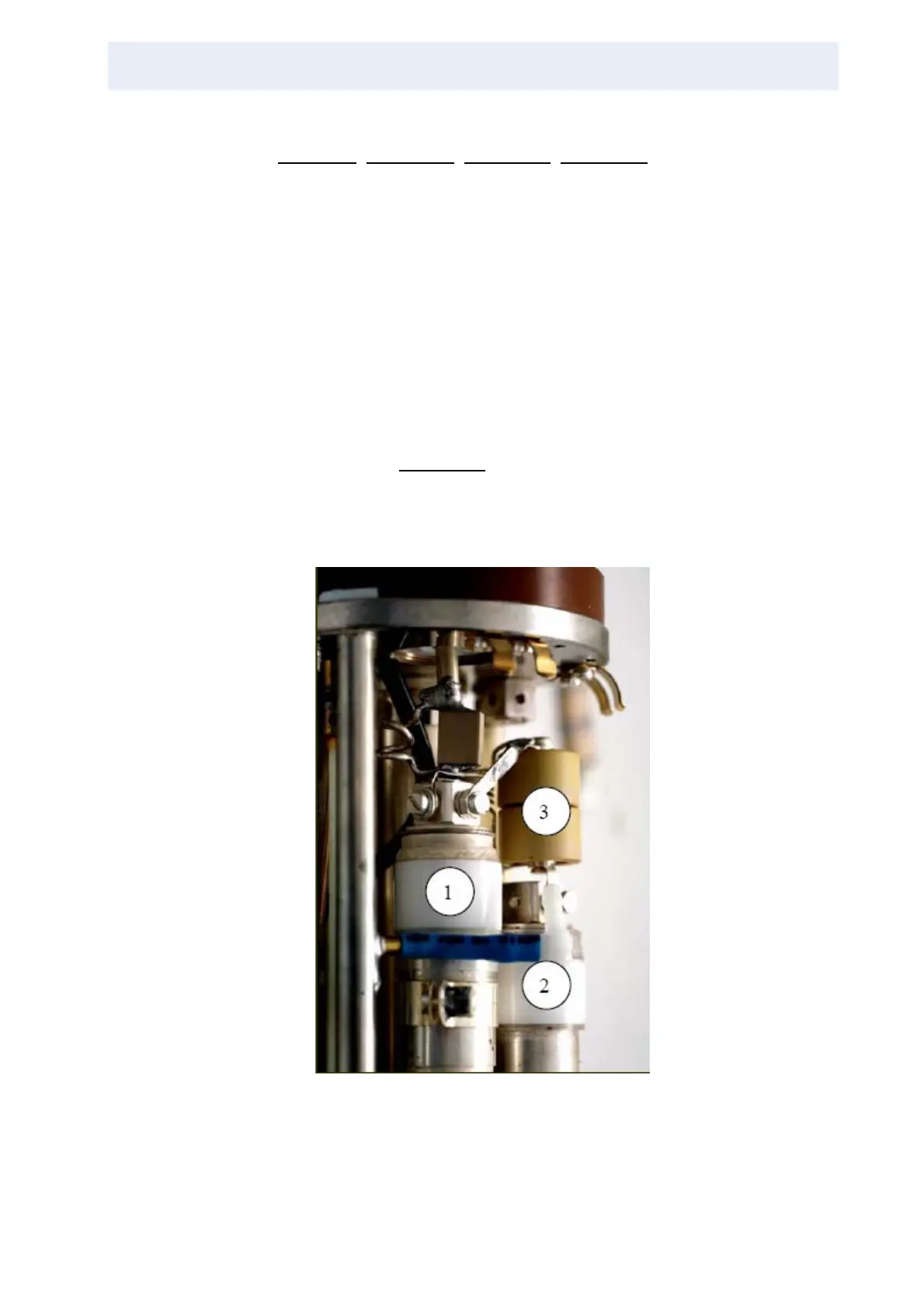
Figure 3.39. Mounting a Triple Insert Into a Triple Probe
1. X-Tuning capacitor
2. Y-Tuning capacitor
3. X-Y trap (stops X-frequency into
Y-channel, but not Y into X-channel)



 To Next Page