215575 79 Revision B
3.12 Header Operation
Satisfactory operation of the header in all situations requires making adjustments to the header according to the operating
conditions.
Proper operation reduces crop loss and increases productivity. Proper adjustments and timely maintenance will increase
the service life of your machine.
The variables listed in Table 3.3, page 79 and those detailed in this chapter affect header performance.
You will quickly become adept at adjusting the machine to achieve the results you desire. Most of the adjustments have
been preset at the factory, but the settings can be changed to suit operating conditions.
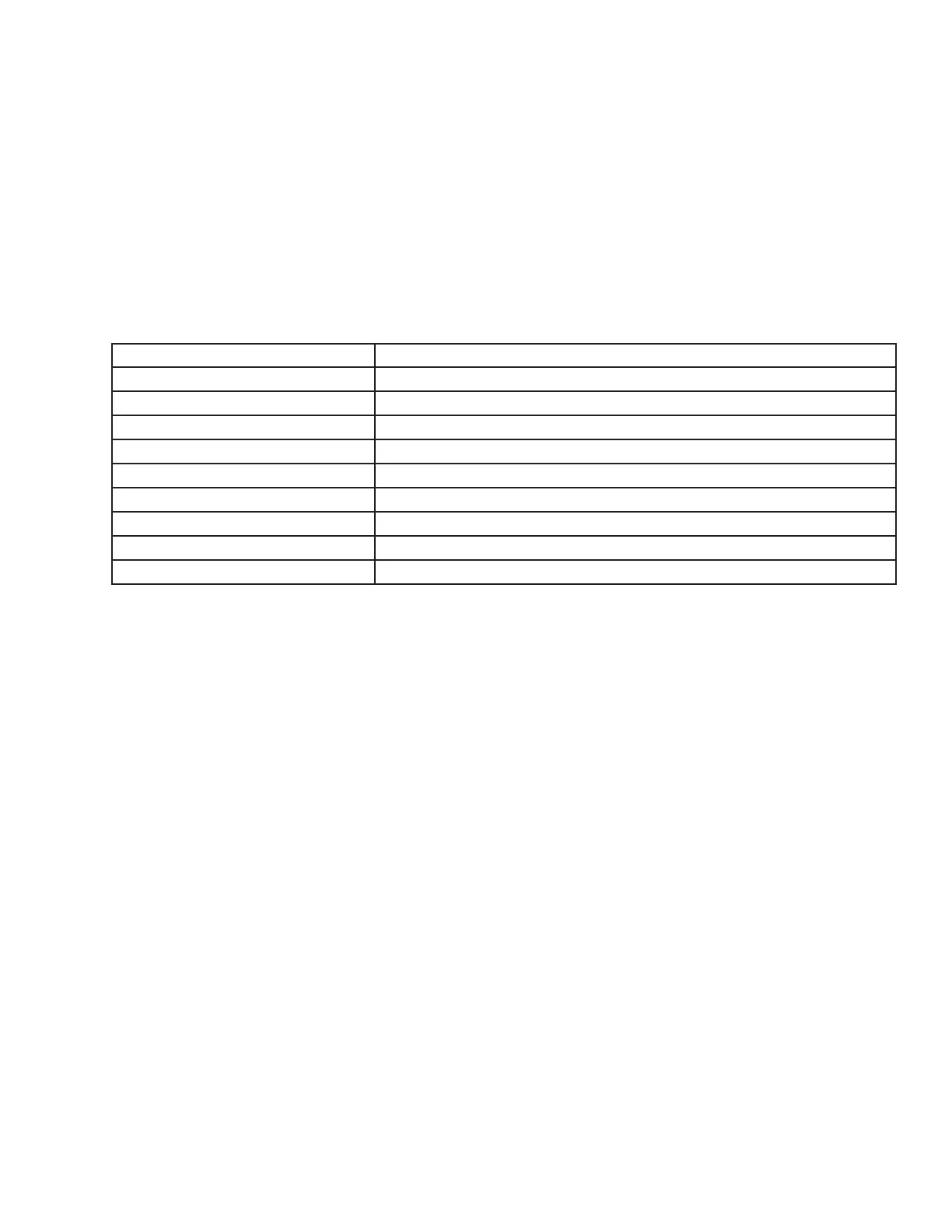
Table 3.3 Operating Variables
Variable Refer to
Operating speed 3.12.1 Operating Speed, page 79
Auger speed Auger Speed, page 80
Auger position
Checking Auger Position, page 80
Stripper plates Stripper Plate Clearance, page 86
Header height Header Height, page 90
Pick-up height Pick-Up Height, page 91
Header flotation
3.12.4 Adjusting Header Float, page 93
Hold-down position Hold-Down Position, page 95
Hold-down rod angle Adjusting Hold-Down Rod Angle, page 96
3.12.1 Operating Speed
The performance of the pick-up header is mainly governed by the speed at which the drapers are turning and by the
forward speed of the combine.
• If the swath is pushed ahead, the draper speed is too low and some of the crop may remain unpicked.
• If the swath is torn apart and is pulled toward the combine header, the draper speed is too high and uneven combine
feeding will occur.
Generally, optimal harvest performance is achieved when the swath is continually pushed ahead slightly as the combine
moves forward.
The speed of the draper can be adjusted from the combine cab by regulating the flow of oil to the pick-up header’s
hydraulic motors; typically, this is done by using the combine’s reel speed controls. The ratio of the pick-up speed to the
combine ground speed can be set using the combine header controls. Refer to your combine operator’s manual for further
instructions.
IMPORTANT:
Do NOT overspeed the pick-up header. Overspeeding causes premature wear of drive components and adversely affects
pick-up performance.
OPERATION


 To Next Page