Chapter 1: Cyclone IV Transceivers Architecture 1–47
Transceiver Functional Modes
February 2015 Altera Corporation Cyclone IV Device Handbook,
Volume 2
The hard IP block supports 1, 2, or 4 initial lane configurations with a maximum
payload of 256 bytes at Gen1 frequency. The application interface is 64 bits with a data
width of 16 bits per channel running at up to 125 MHz. As a hard macro and a verified
block, it uses very few FPGA resources, while significantly reducing design risk and
the time required to achieve timing closure. It is compliant with the PCI Express Base
Specification 1.1. You do not have to pay a licensing fee to use this module.
Configuring the hard IP block requires using the PCI Express Compiler.
f For more information about the hard IP block, refer to the PCI Express Compiler User
Guide.
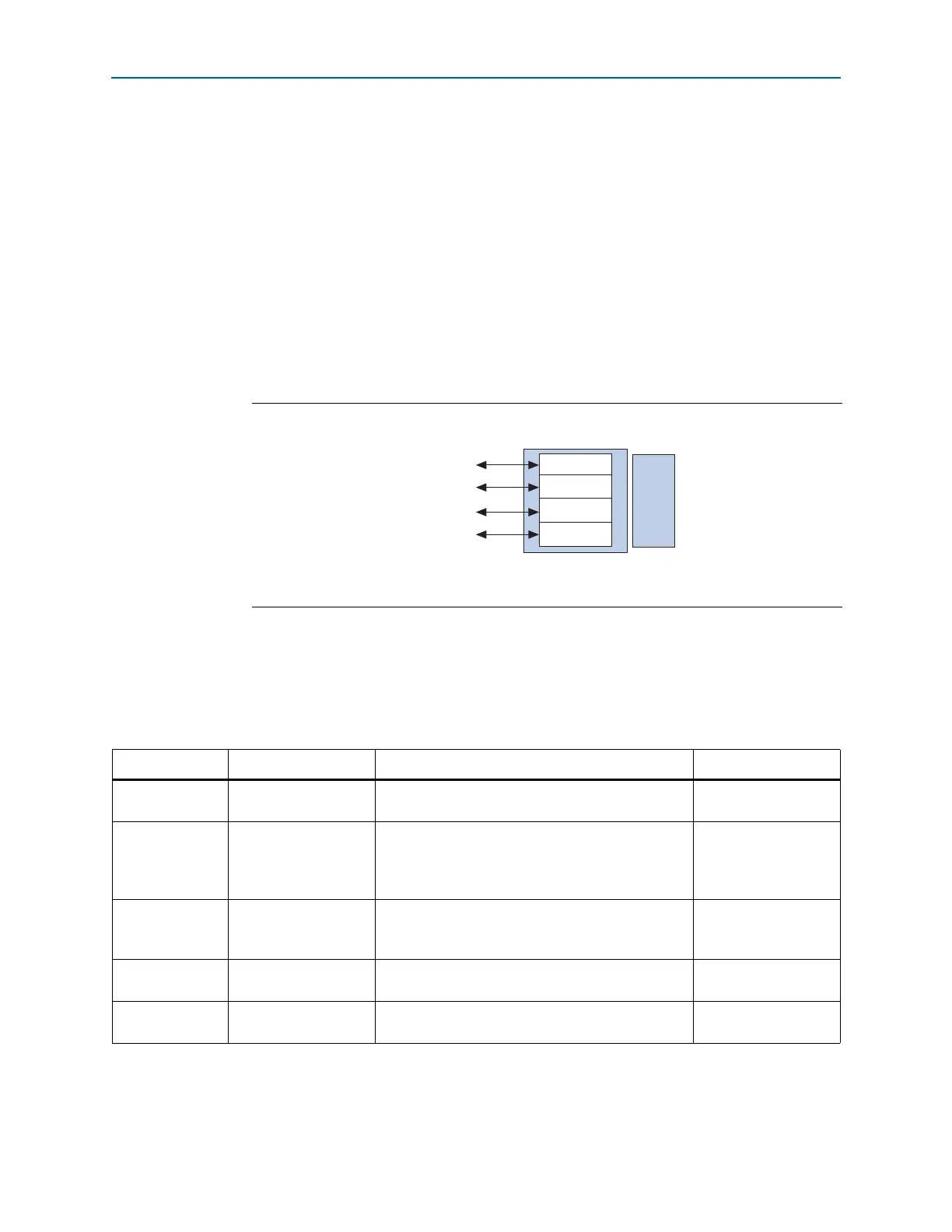
Figure 1–43 shows the lane placement requirements when implementing PCIe with
hard IP block.
Transceiver Functional Modes
The Cyclone IV GX transceiver supports the functional modes as listed in Table 1–14
for protocol implementation.
Figure 1–43. PCIe with Hard IP Block Lane Placement Requirements
(1)
Note to Figure 1–43:
(1) Applicable for PCIe ×1, ×2, and ×4 implementations with hard IP blocks only.
Channel 3
Channel 2
Channel 1
Channel 0
PCIe Lane 3
PCIe Lane 2
PCIe Lane 1
PCIe Lane 0
PCIe
hard IP
Transceiver
Block GXBL0
Table 1–14. Transceiver Functional Modes for Protocol Implementation (Part 1 of 2)
Functional Mode Protocol Key Feature Reference
Basic
Proprietary, SATA, V-
by-One, Display Port
Low latency PCS, transmitter in electrical idle, signal
detect at receiver, wider spread asynchronous SSC
“Basic Mode” on
page 1–48
PCI Express
(PIPE)
PCIe Gen1 with PIPE
Interface
PIPE ports, receiver detect, transmitter in electrical
idle, electrical idle inference, signal detect at receiver,
fast recovery, protocol-compliant word aligner and
rate match FIFO, synchronous SSC
“PCI Express (PIPE)
Mode” on page 1–52
GIGE GbE
Running disparity preservation, protocol-compliant
word aligner, recovered clock port for applications
such as Synchronous Ethernet
“GIGE Mode” on
page 1–59
Serial RapidIO SRIO Protocol-compliant word aligner
“Serial RapidIO Mode”
on page 1–64
XAUI XAUI
Deskew FIFO, protocol-compliant word aligner and
rate match FIFO
“XAUI Mode” on
page 1–67



 To Next Page