Chapter 1: Cyclone IV Transceivers Architecture 1–55
Transceiver Functional Modes
February 2015 Altera Corporation Cyclone IV Device Handbook,
Volume 2
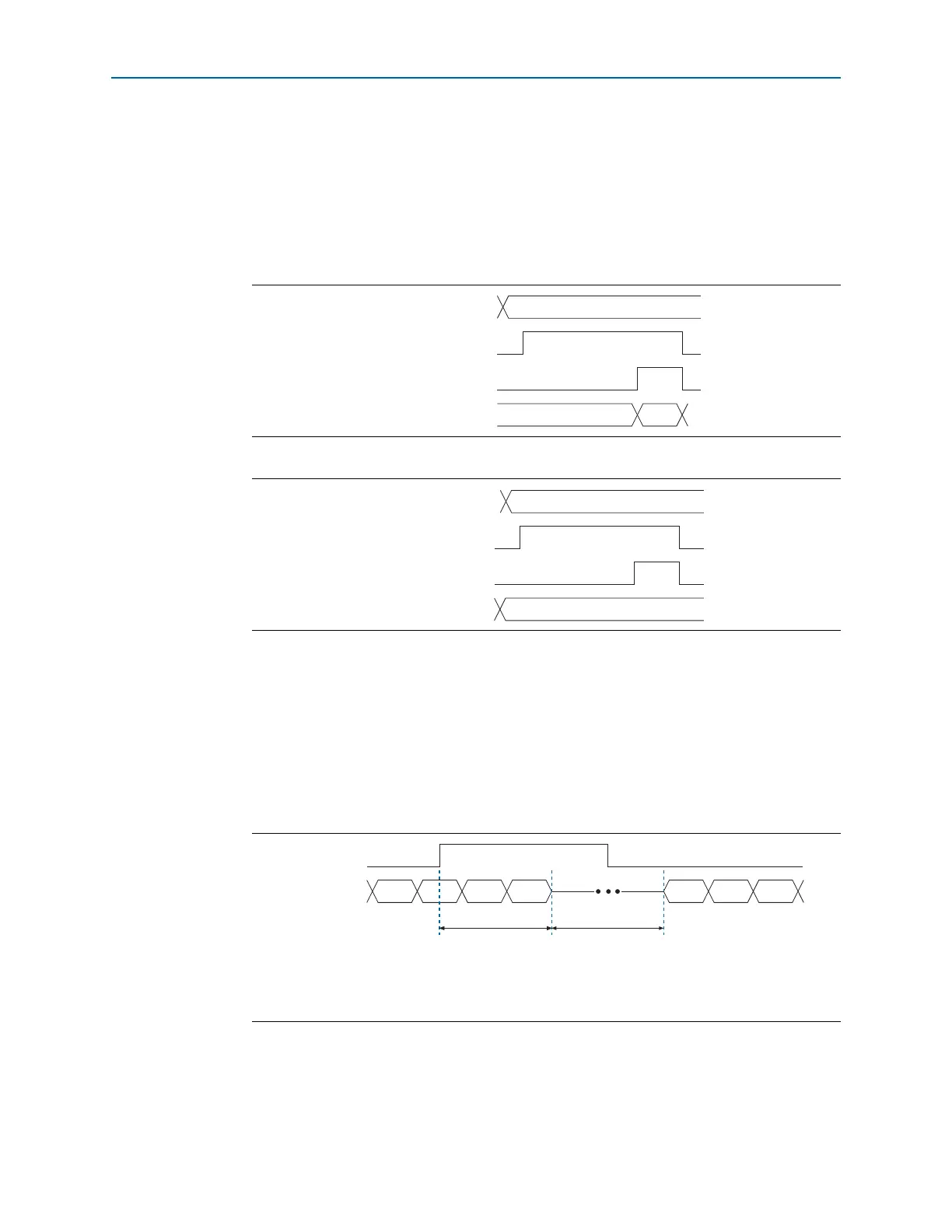
Figure 1–50 and Figure 1–51 show the detection mechanism example for a successful
and unsuccessful receiver detection scenarios respectively. The
tx_forceelecidle
port must be asserted at least 10 parallel clock cycles prior to assertion of
tx_detectrxloop
port to ensure the transmitter buffer is properly tri-stated. Detection
completion is indicated by
pipephydonestatus
assertion, with detection successful
indicated by 3'b011 on
pipestatus[2..0]
port, or detection unsuccessful by 3'b000 on
pipestatus[2..0]
port.
Electrical Idle Control
The Cyclone IV GX transceivers support transmitter buffer in electrical idle state
using the
tx_forceelecidle
port. During electrical idle, the transmitter buffer
differential and common mode output voltage levels are compliant to the PCIe Base
Specification 2.0 for Gen1 signaling rate.
Figure 1–52 shows the relationship between assertion of the
tx_forceelecidle
port
and the transmitter buffer output on the
tx_dataout
port.
Figure 1–50. Example of Successful Receiver Detect Operation
Figure 1–51. Example of Unsuccessful Receiver Detect Operation
Figure 1–52. Transmitter Buffer Electrical Idle State
Notes to Figure 1–52:
(1) The protocol requires the transmitter buffer to transition to a valid electrical idle after sending an electrical idle
ordered set within 8 ns.
(2) The protocol requires transmitter buffer to stay in electrical idle for a minimum of 20 ns for Gen1 signaling rate.
pipephydonestatus
pipestatus[2..0]
3'b0113'b000
powerdown[1..0]
tx_detectrxloopback
2'b10(P1)
pipephydonestatus
pipestatus[2..0]
3'b000
powerdown[1..0]
tx_detectrxloopback
2'b10(P1)
tx_forcelecidle
tx_dataout
<8 ns (1)
>20 ns (2)



 To Next Page