1–10 Chapter 1: Cyclone IV Device Datasheet
Operating Conditions
Cyclone IV Device Handbook, December 2016 Altera Corporation
Volume 3
Example 1–1 shows how to calculate the change of 50-I/O impedance from 25°C at
3.0 V to 85°C at 3.15 V.
Pin Capacitance
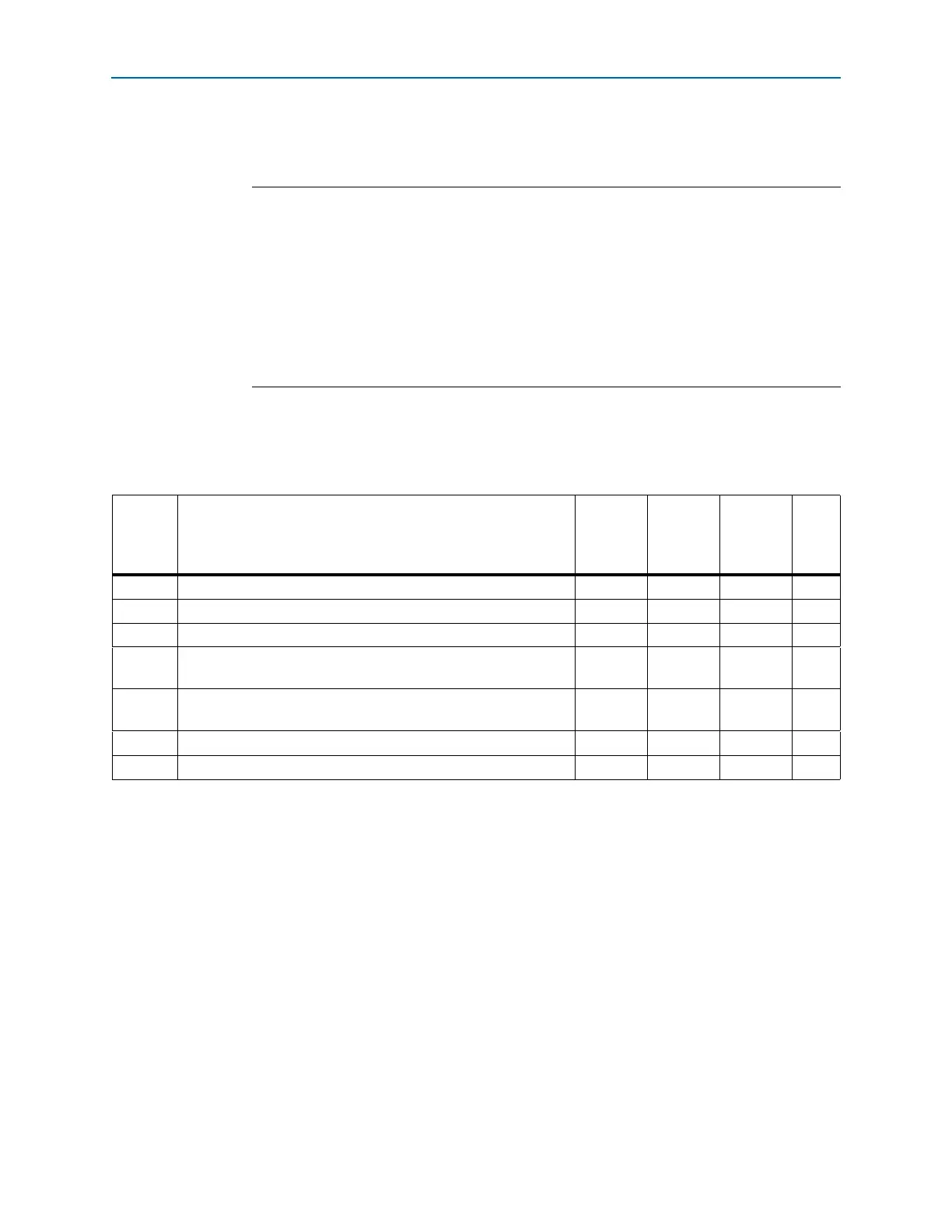
Table 1–11 lists the pin capacitance for Cyclone IV devices.
Example 1–1. Impedance Change
R
V
= (3.15 – 3) × 1000 × –0.026 = –3.83
R
T
= (85 – 25) × 0.262 = 15.72
Because R
V
is negative,
MF
V
= 1 / (3.83/100 + 1) = 0.963
Because R
T
is positive,
MF
T
= 15.72/100 + 1 = 1.157
MF = 0.963 × 1.157 = 1.114
R
final
= 50 × 1.114 = 55.71
Table 1–11. Pin Capacitance for Cyclone IV Devices
(1)
Symbol Parameter
Typical –
Quad Flat
Pack
(QFP)
Typical –
Quad Flat
No Leads
(QFN)
Typical –
Ball-Grid
Array
(BGA)
Unit
C
IOTB
Input capacitance on top and bottom I/O pins 7 7 6 pF
C
IOLR
Input capacitance on right I/O pins 7 7 5 pF
C
LVDSLR
Input capacitance on right I/O pins with dedicated LVDS output 8 8 7 pF
C
VREFLR
(2)
Input capacitance on right dual-purpose
VREF
pin when used as
V
REF
or user I/O pin
21 21 21 pF
C
VREFTB
(2)
Input capacitance on top and bottom dual-purpose
VREF
pin when
used as V
REF
or user I/O pin
23
(3)
23 23 pF
C
CLKTB
Input capacitance on top and bottom dedicated clock input pins 7 7 6 pF
C
CLKLR
Input capacitance on right dedicated clock input pins 6 6 5 pF
Notes to Table 1–11:
(1) The pin capacitance applies to FBGA, UBGA, and MBGA packages.
(2) When you use the
VREF
pin as a regular input or output, you can expect a reduced performance of toggle rate and t
CO
because of higher pin
capacitance.
(3) C
VREFTB
for the EP4CE22 device is 30 pF.



 To Next Page