Chapter 1: Cyclone IV Transceivers Architecture 1–61
Transceiver Functional Modes
February 2015 Altera Corporation Cyclone IV Device Handbook,
Volume 2
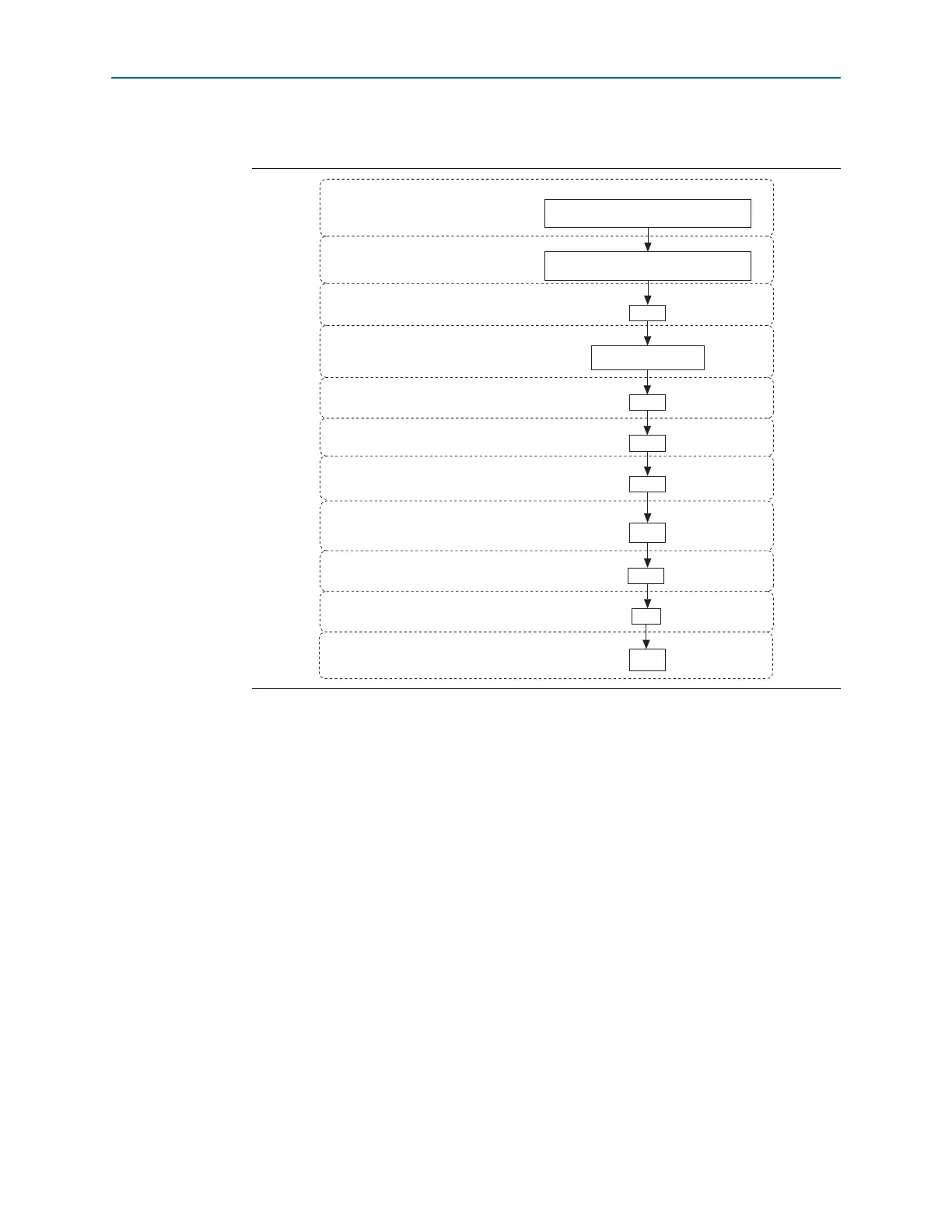
Figure 1–56 shows the transceiver configuration in GIGE mode.
When configured in GIGE mode, three encoded comma (/K28.5/) code groups are
transmitted automatically after deassertion of
tx_digitalreset
and before
transmitting user data on the
tx_datain
port. This could affect the synchronization
state machine behavior at the receiver.
Depending on when you start transmitting the synchronization sequence, there could
be an even or odd number of encoded data (/Dx.y/) code groups transmitted
between the last of the three automatically sent /K28.5/ code groups and the first
/K28.5/ code group of the synchronization sequence. If there is an even number of
/Dx.y/ code groups received between these two /K28.5/ code groups, the first
/K28.5/ code group of the synchronization sequence begins at an odd code group
boundary. An IEEE802.3-compliant GIGE synchronization state machine treats this as
an error condition and goes into the Loss-of-Sync state.
Figure 1–56. Transceiver Configuration in GIGE Mode
Functional Mode
Channel Bonding
Low-Latency PCS
Word Aligner (Pattern Length)
8B/10B Encoder/Decoder
Rate Match FIFO
Byte SERDES
Byte Ordering
FPGA Fabric-to-Transceiver
Interface Width
FPGA Fabric-to-Transceiver
Interface Frequency (MHz)
1.25
Disabled
Automatic Synchronization
State Machine (7-bit, 10-Bit)
8-Bit
GIGE
×1
Disabled
Enabled
Enabled
Disabled
Data Rate (Gbps)
125



 To Next Page