Altera Corporation 14–3
January 2005 Stratix Device Handbook, Volume 2
Designing with 1.5-V Devices
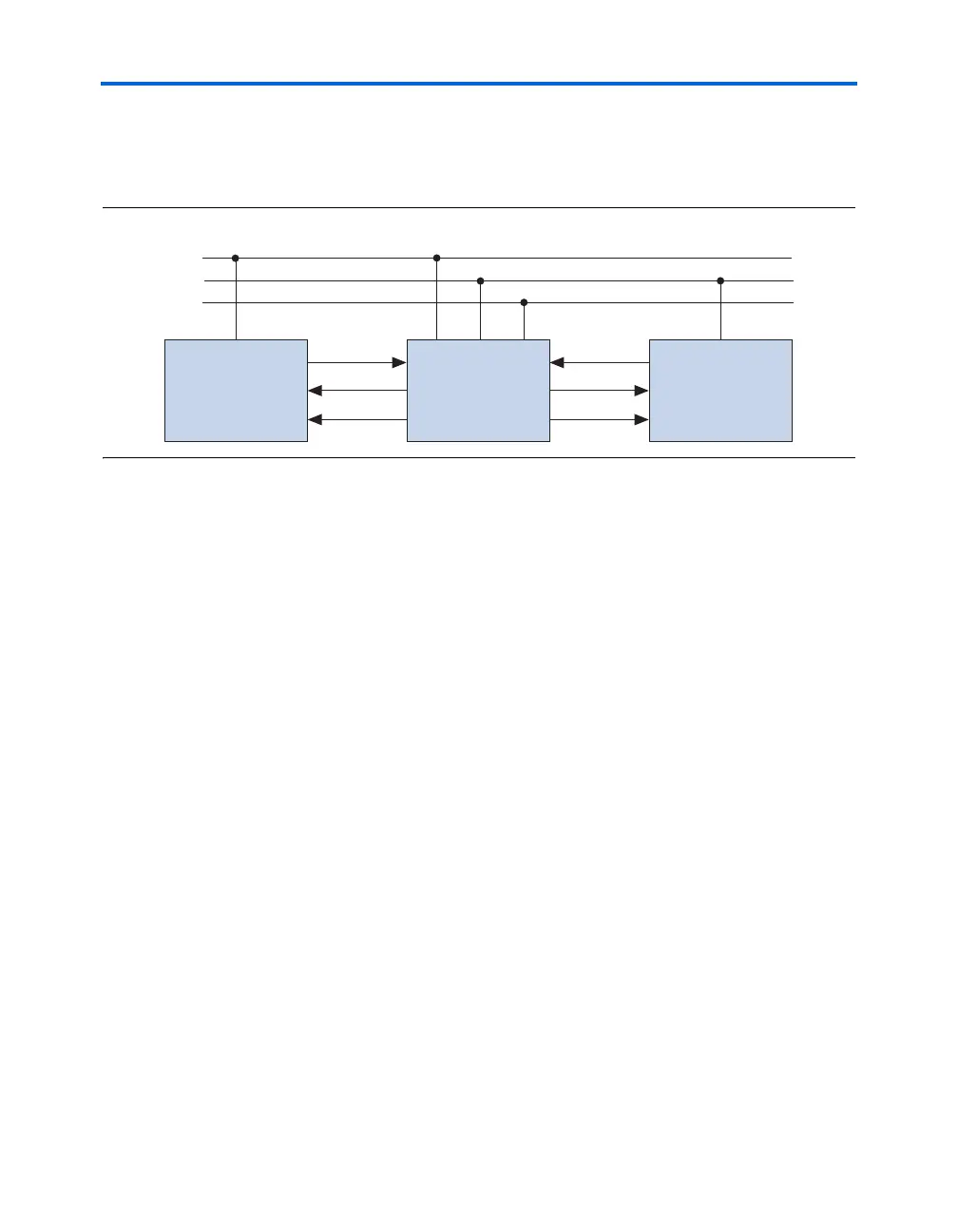
Figure 14–1 shows how Cyclone FPGAs interface with 3.3--V and 2.5-V
devices while operating with a 1.5-V V
CCINT
to increase performance and
save power.
Figure 14–1. Cyclone FPGAs Interface with 3.3-V & 2.5-V Devices
Voltage
Regulators
This section explains how to generate a 1.5-V supply from another system
supply. Supplying power to the 1.5-V logic array and/or I/O pins
requires a 5.0-V- or 3.3-V-to-1.5-V voltage regulator. A linear regulator is
ideal for low-power applications because it minimizes device count and
has acceptable efficiency for most applications. A switching voltage
regulator provides optimal efficiency. Switching regulators are ideal for
high-power applications because of their high efficiency.
This section will help you decide which regulator to use in your system,
and how to implement the regulator in your design. There are several
companies that provide voltage regulators for low-voltage devices, such
as Linear Technology Corporation, Maxim Integrated Products, Intersil
Corporation (Elantec), and National Semiconductor Corporation.
3.3 V
2.5 V
1.5 V
3.3-V TTL
3.3-V CMOS
3.3-V Device 2.5-V Device
Cyclone Device
2.5-V TTL
2.5-V CMOS
V
CCINT
= 1.5 V
V
CCIO1
= 2.5 V
V
CCIO2
= 3.3 V



 To Next Page