Altera Corporation 14–7
January 2005 Stratix Device Handbook, Volume 2
Designing with 1.5-V Devices
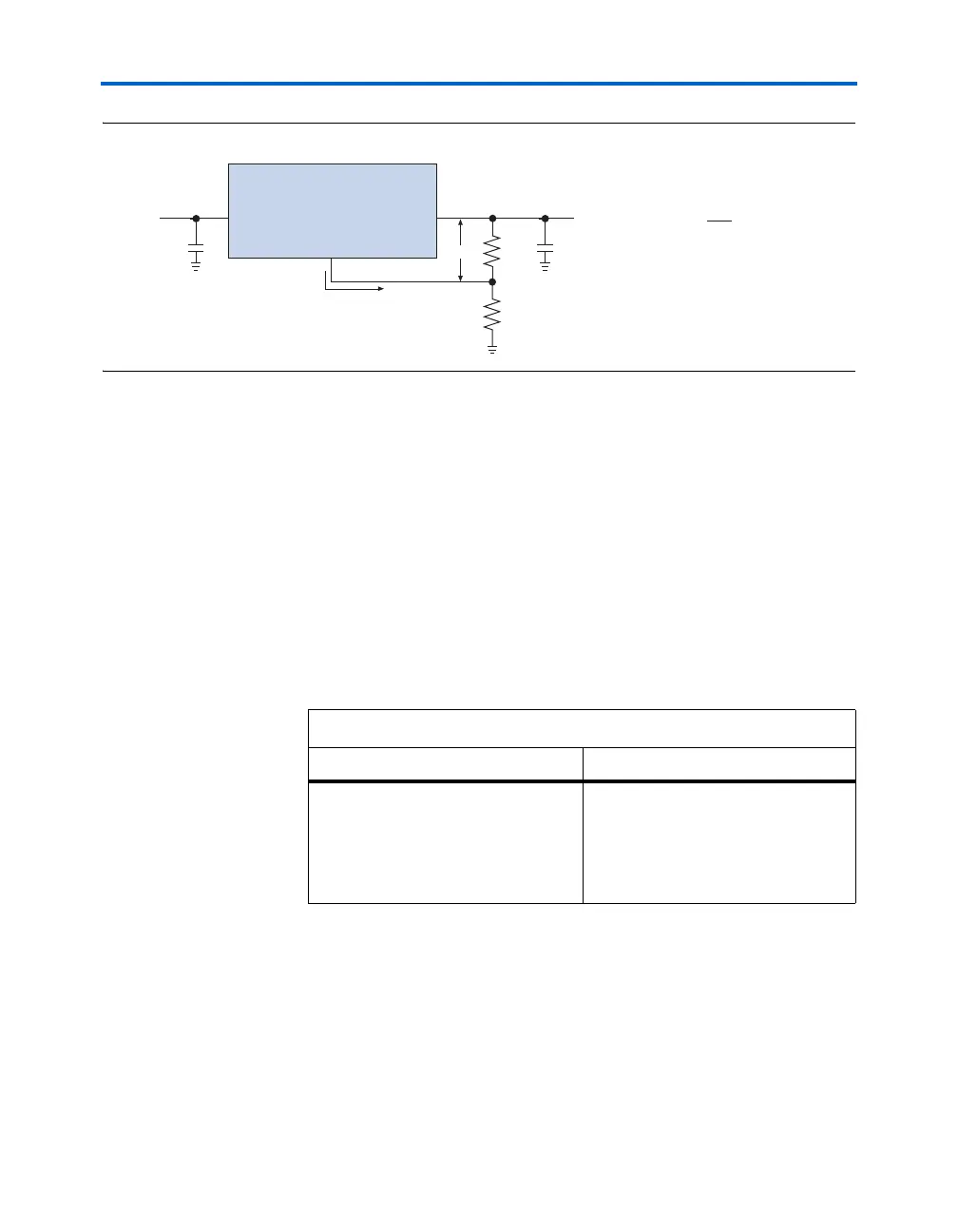
Figure 14–4. Adjustable-Output Linear Regulator
Switching Voltage Regulators
Step-down switching regulators can provide 3.3-V-to-1.5-V conversion
with up to 95% efficiencies. This high efficiency comes from minimizing
quiescent current, using a low-resistance power MOSFET switch, and, in
higher-current applications, using a synchronous switch to reduce diode
losses.
Switching regulators supply power by pulsing the output voltage and
current to the load. Table 14–4 shows the advantages and disadvantages
of switching regulators compared to linear regulators. For more
information on switching regulators, see Application Note 35: Step Down
Switching Regulators from Linear Technology.
There are two types of switching regulators, asynchronous and
synchronous. Asynchronous switching regulators have one field effect
transistor (FET) and a diode to provide the current path while the FET is
off (see Figure 14–5).
Linear Regulator
IN
OUT
ADJ
V
IN
+
C
1
+
V
REF
R
1
R
2
C
2
I
ADJ
V
OUT
= [V
REF
× (1 + )] + (I
ADJ
× R
1
)
R
1
R
2
Table 14–4. Switching Regulator Advantages & Disadvantages
Advantages Disadvantages
Highly efficient (typically >80%)
Reduced power dissipation
Smaller heat sink requirements
Wider input voltage range
High power density
Generates EMI
Complex to design
Requires 15 or more supporting
components
Higher cost
Requires more board space



 To Next Page