14–6 Altera Corporation
Stratix Device Handbook, Volume 2 January 2005
Voltage Regulators
Table 14–3 shows the advantages and disadvantages of linear regulators
compared to switching regulators.
You can minimize the difference between the input and output voltages
to improve the efficiency of linear regulators. The dropout voltage is the
minimum allowable difference between the regulator’s input and output
voltage.
Linear regulators are available with fixed, variable, single, or multiple
outputs. Multiple-output regulators can generate multiple outputs (e.g.,
1.5- and 3.3-V outputs). If the board only has a 5.0-V power voltage
supply, you should use multiple-output regulators. The logic array
requires a 1.5-V power supply, and a 3.3-V power supply is required to
interface with 3.3- and 5.0-V devices. However, fixed-output regulators
have fewer supporting components, reducing board space and cost.
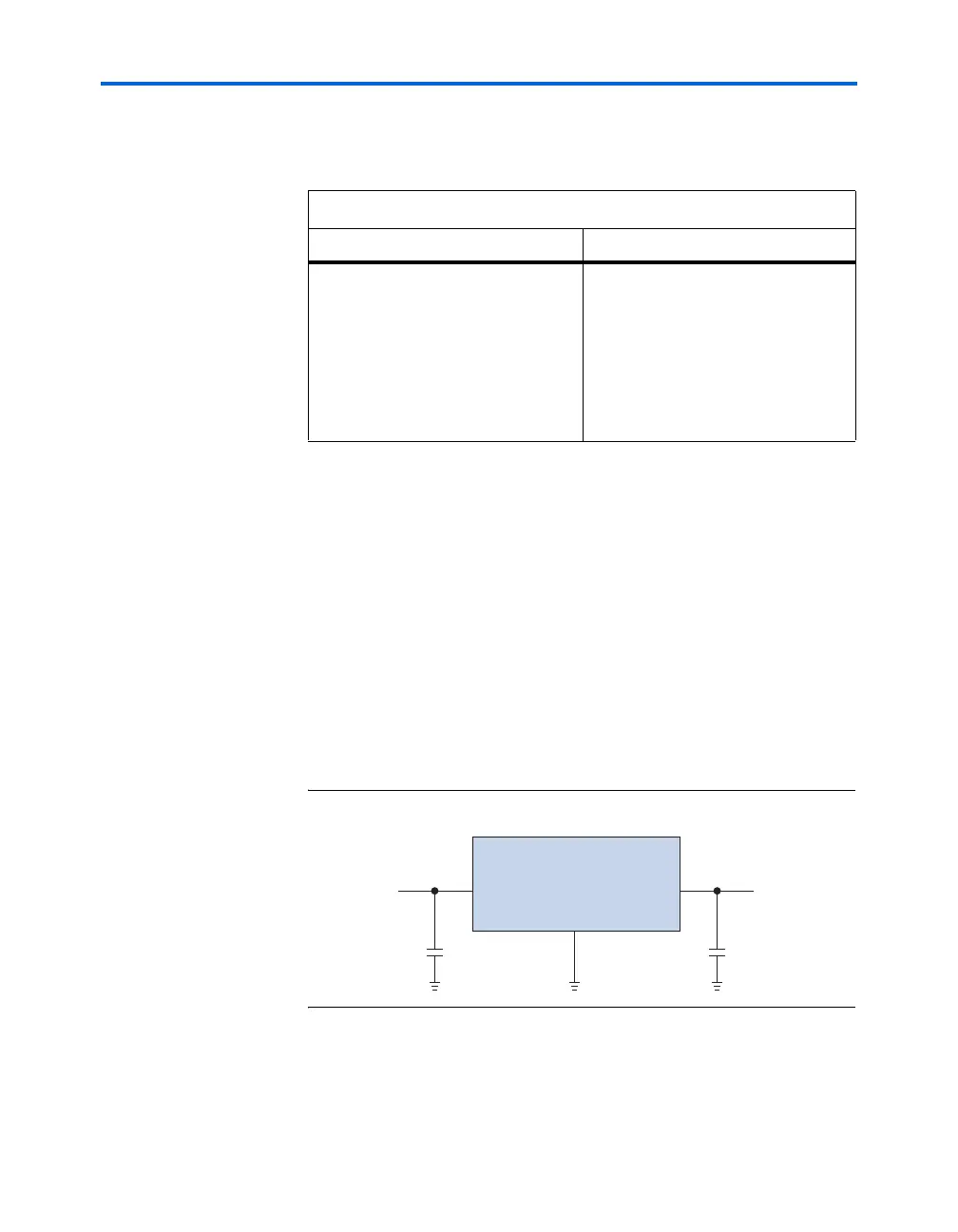
Figure 14–3 shows an example of a three-terminal, fixed-output linear
regulator.
Figure 14–3. Three-Terminal, Fixed-Output Linear Regulator
Adjustable-output regulators contain a voltage divider network that
controls the regulator’s output. Figure 14–4 shows how you can also use
a three-terminal linear regulator in an adjustable-output configuration.
Table 14–3. Linear Regulator Advantages & Disadvantages
Advantages Disadvantages
Requires few supporting components
Low cost
Requires less board space
Quick transient response
Better noise and drift characteristics
No electromagnetic interference (EMI)
radiation from the switching
components
Tighter regulation
Less efficient (typically 60%)
Higher power dissipation
Larger heat sink requirements
Linear Regulator
IN
OUT
ADJ
1.5 V
V
IN



 To Next Page