Altera Corporation 1–21
July 2005 Stratix Device Handbook, Volume 2
General-Purpose PLLs in Stratix & Stratix GX Devices
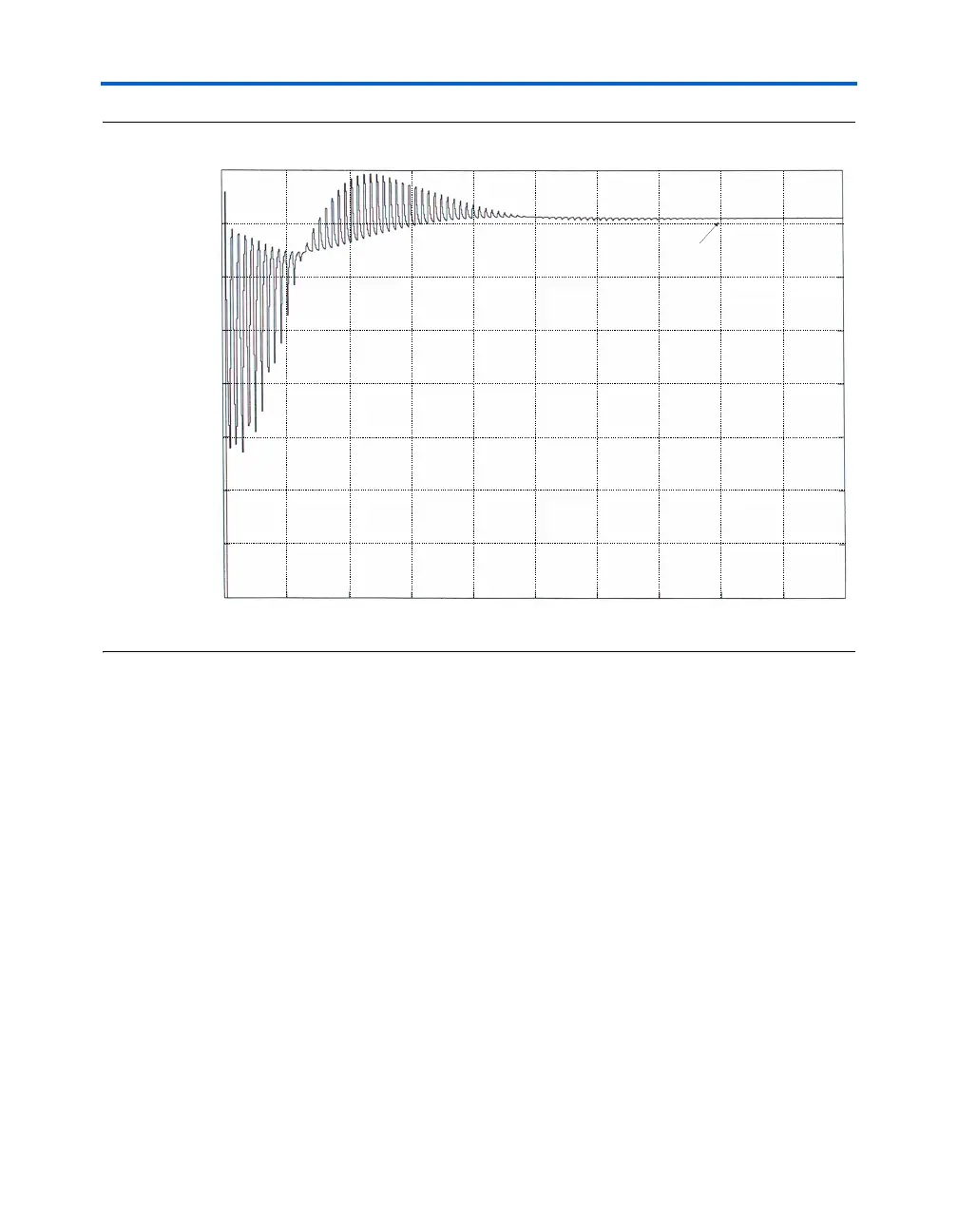
Figure 1–10. High-Bandwidth PLL Lock Time
A high-bandwidth PLL may benefit a system with two cascaded PLLs. If
the first PLL uses spread spectrum (as user-induced jitter), the second
PLL needs a high bandwidth so it can track the jitter that is feeding it. A
low-bandwidth PLL may, in this case, lose lock due to the spread
spectrum-induced jitter on the input clock.
A low-bandwidth PLL may benefit a system using clock switchover.
When the clock switchover happens, the PLL input temporarily stops. A
low-bandwidth PLL would react more slowly to changes to its input
clock and take longer to drift to a lower frequency (caused by the input
stopping) than a high-bandwidth PLL. Figures 1–11 and 1–12
demonstrate this property.
The two plots show the effects of clock switchover with a low- or high-
bandwidth PLL. When the clock switchover happens, the output of the
low-bandwidth PLL (see Figure 1–11) drifts to lower frequency much
slower than the high-bandwidth PLL output (see Figures 1–12).
0
120
125
130
135
140
145
150
155
160
0.5 1.0 1.5 2.0 2.5 3.0 3.5 4.0 4.5 5.0
Time (μs)
Frequency (MHz)
Lock Time = 4 μs



 To Next Page