APPENDIX G: REDUNDANCY PROTOCOL G.1 PRP AND HSR ETHERNET PROTOCOLS
GEK-106310-AF F650 DIGITAL BAY CONTROLLER g-3
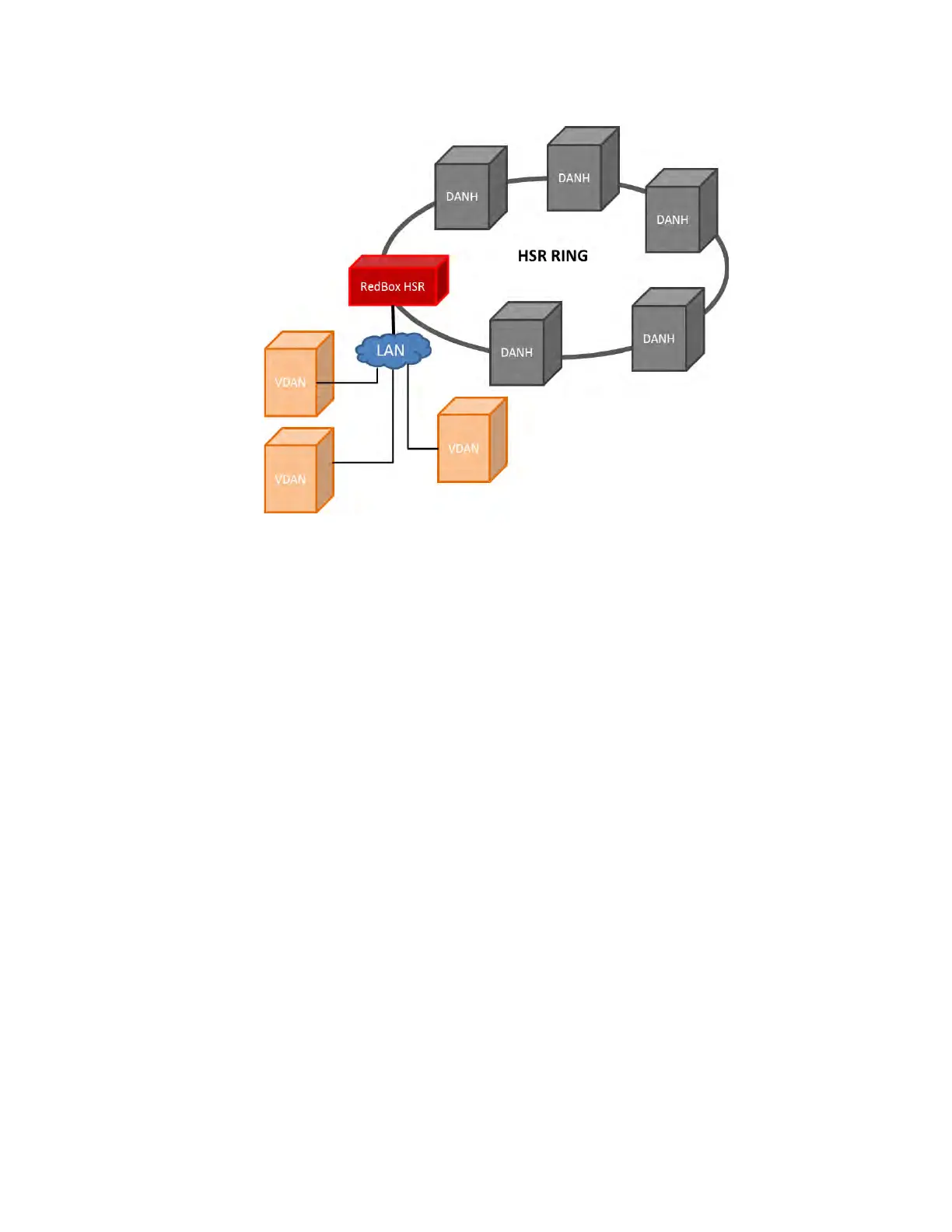
Figure G-2: Example of HSR with HSR ring
Definitions:
• PRP – Parallel Redundancy Protocol - redundancy protocol for high availability in substation automation networks
based on IEC 62439-3 Clause 4 and applicable to networks based on Ethernet technology (ISO/IEC 8802-3).
• OSI - Open Systems Interconnection - model defined by the International Organization for Standardization (ISO) for
st
andardizing the functions of a communication system in terms of abstraction layers. Similar communication
functions are grouped into logical layers. A layer serves the layer above it and is served by the layer below it. There
are 7 layers: physical, data link, network, transport, session, presentation, application.
• DANP – Doubly Attached Node running PRP – a node that has two ports which operate in parallel and are attached to
the
upper layers of the OSI communications stack through a Link Redundancy Entity module.
• DANH – Doubly Attached Node with HSR protocol.
• LRE - Link Redundancy Entity – module operating at the link layer of the OSI stack and responsible for handling
dupl
icates and managing redundancy.
• SAN – Singly Attached Node – regular nodes with non-redundant network adapters
• RedBox – device attaching singly attached nodes (SANs) to a redundant network.
• RCT – Redundancy Check Trailer – PRP trailer added to frames and consisting of the following fields:
~16-bit sequence number (SeqNr);
~4-bit LAN identifier (LanId);
~12 bit frame size (LSDUsize)
~16-bit suffix (PRPsuffix).



 To Next Page