Preparing the Needle and Thread
34
The machine needle and thread that should be used depends on the type and thickness of the fabric.
Refer to the following table when choosing the thread and needle appropriate for the fabric that you
wish to sew.
- The combinations shown in the table provide a general guideline. Be sure to sew trial stitches on
the actual number of layers and type of fabric to be used in your project.
- The machine needles are consumables. For safety and best results, we recommend replacing
the needle regularly. For details on when to replace the needle, refer to “Changing the Needle”
on page 36.
Transparent Nylon thread
Use a home sewing machine topstitching needle, regardless of the fabric or thread.
Needles and Threads When Sewing Character/Decorative Stitch Patterns
When sewing lightweight, medium weight or stretch fabrics, use a ball point needle (gold colored) 90/14.
When sewing heavyweight fabrics, use a home sewing machine needle 90/14.
In addition, #50 to #60 thread should be used.
Preparing the Needle and Thread
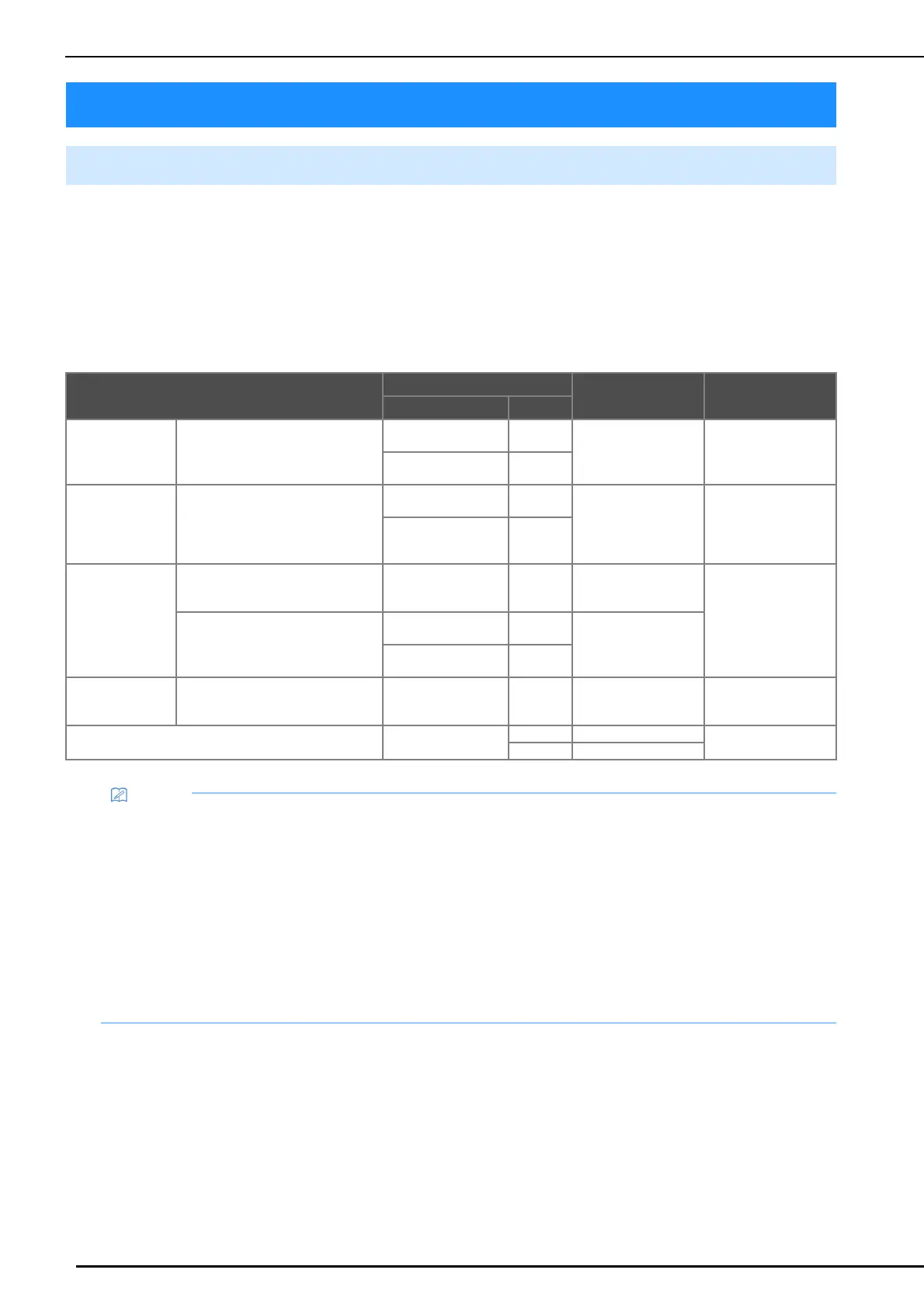
Fabric/Thread/Needle Combinations
Fabric Type/Application
Thread
Size of needle
Stitch length
mm (inch)
Type Weight
Lightweight
fabrics
Lawn, georgette, challis, organdy,
crepe, chiffon, voile, gauze, tulle,
lining, etc.
Polyester
thread
60 - 90
65/9 - 75/11
Fine stitches
1.8-2.5
(approx.1/16-3/32)
Cotton thread,
Silk thread
50 - 80
Medium weight
fabrics
Broadcloth, taffeta, gabardine,
flannel, seersucker, double gauze,
linen, terry cloth, waffle weave,
sheeting, poplin, cotton twill, satin,
quilting cotton, etc.
Polyester
thread
60 - 90
75/11 - 90/14
Regular stitches
2.0-3.0
(approx.1/16-1/8)
Cotton thread,
Silk thread
50 - 60
Heavyweight
fabrics
Denim (12 ounces or more), canvas,
etc.
Polyester
thread,
Cotton thread
30 100/16
Coarse stitches
2.5-4.0
(approx.3/32-3/16)
Denim (12 ounces or more), canvas,
tweed, corduroy, velour, melton
wool, vinyl-coated fabric, etc.
Polyester
thread
60
90/14 - 100/16
Cotton thread,
Silk thread
30 - 50
Stretch fabrics
(knit fabrics, etc.)
Jersey, tricot, T-shirt fabric, fleece,
interlock, etc.
Polyester thread,
Cotton thread,
Silk thread
50
Ball point needle
75/11 - 90/14
Setting appropriate for
the fabric thickness
For top-stitching
Polyester thread,
Cotton thread
30 90/14 - 100/16
Setting appropriate for
the fabric thickness
50 - 60 75/11 - 90/14
• Needles that can be used with this machine: Home sewing machine needles (size 65/9 - 100/16)
- The larger the number, the larger the needle. As the numbers decrease, the needles get finer.
• Thread that can be used with this machine: 30 - 90 weight
- Never use thread of 20 weight or lower. It may cause machine to malfunction.
- The smaller the number, the heavier the thread. As the numbers increase, the thread gets finer.
• In principle, use a fine needle and thread with lightweight fabrics, and a larger needle and heavier thread
with heavyweight fabrics.
• Select a stitch appropriate for the fabric, and then adjust the stitch length. When sewing lightweight
fabrics, make the stitch length finer (shorter). When sewing heavyweight fabrics, make the stitch length
coarser (longer). (page 61)
When sewing stretch fabrics, refer to “Sewing Stretch Fabrics” on page 79.


 To Next Page