6.14
SEL-421 Relay Instruction Manual Date Code 20171021
Protection Applications Examples
230 kV Overhead Distribution Line Example
Select Option 3 because a 52A contact is available; the relay uses both open-
phase detection and status information from the circuit breaker to make the most
secure decision. For information on the pole-open logic, see Pole-Open Logic on
page 5.25.
TULO := 3. Trip Unlatch Option (1, 2, 3, 4)
Trip Timers
The SEL-421 provides dedicated timers for minimum trip duration.
Minimum Trip Duration
The minimum trip duration timer setting, TDUR3D, determines the minimum
time that Relay Word bit 3PT asserts. For this application example, Relay Word
bit 3PT is assigned to OUT101. The corresponding control output closes for
TDUR3D time or the duration of the trip condition, whichever is longer.
A typical setting for this timer is 9 cycles.
TDUR3D := 9.000. Three-Pole Trip Minimum Trip Duration Time Delay
(2.000–8000 cycles)
Three-Pole Tripping Enable
The relay contains both three-pole and single-pole tripping logic. Set E3PT
(Three-Pole Trip Enable) equal to logical 1 to enable the SEL-421 for three-pole
tripping only.
E3PT := 1. Three-Pole Trip Enable (SELOGIC Equation)
Also set the appropriate three-pole tripping SEL
OGIC control equation for Circuit
Breaker 1.
E3PT1 := 1. Breaker 1 3PT (SELOGIC Equation)
Control Outputs
Main Board
OUT101 trips Circuit Breaker 1.
OUT101 := 3PT.
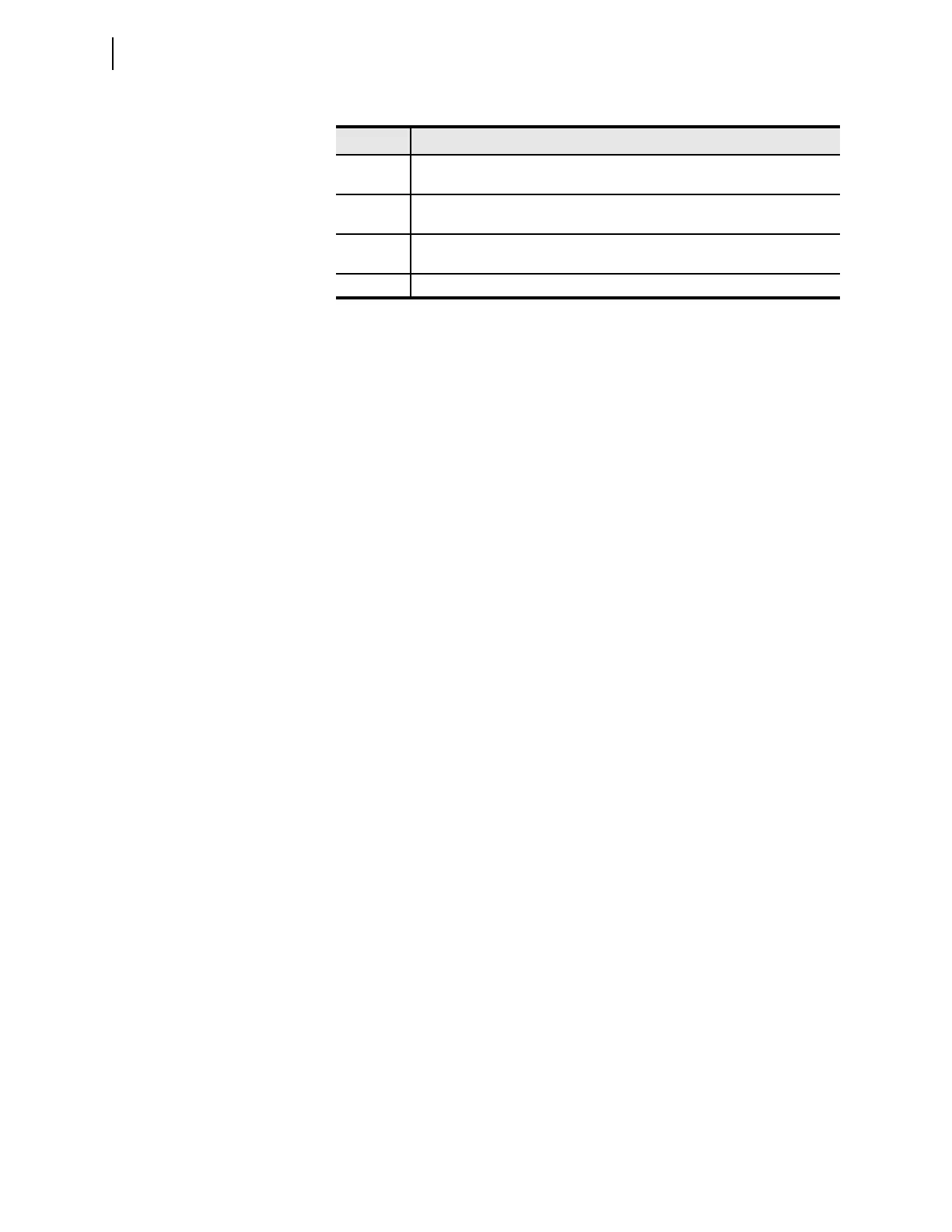
Table 6.5 Setting TULO Unlatch Trip Options
Option Description
1 Unlatch the trip when the relay detects that one or more poles of the line termi-
nal are open, and Relay Word bit 3PT has deasserted.
2 Unlatch the trip when the relay detects that the corresponding 52A contact(s)
from both circuit breakers (e.g., 52AA1 and 52AA2) are deasserted.
3 Unlatch the trip when the relay detects that the conditions for Options 1 and 2
are satisfied.
4 Do not run this logic.


 To Next Page