6.30
SEL-421 Relay Instruction Manual Date Code 20171021
Protection Applications Examples
500 kV Parallel Transmission Lines With Mutual Coupling Example
XGPOL allows you to choose the polarizing quantity for the quadrilateral
ground-distance protection. You can choose either negative- or zero-sequence
current. Choose appropriately to reduce overreach and underreach of the reac-
tance line. The reactance line can underreach or overreach during high-resistance
single phase-to-ground faults. Nonhomogeneous negative- or zero-sequence net-
works can cause this underreach or overreach.
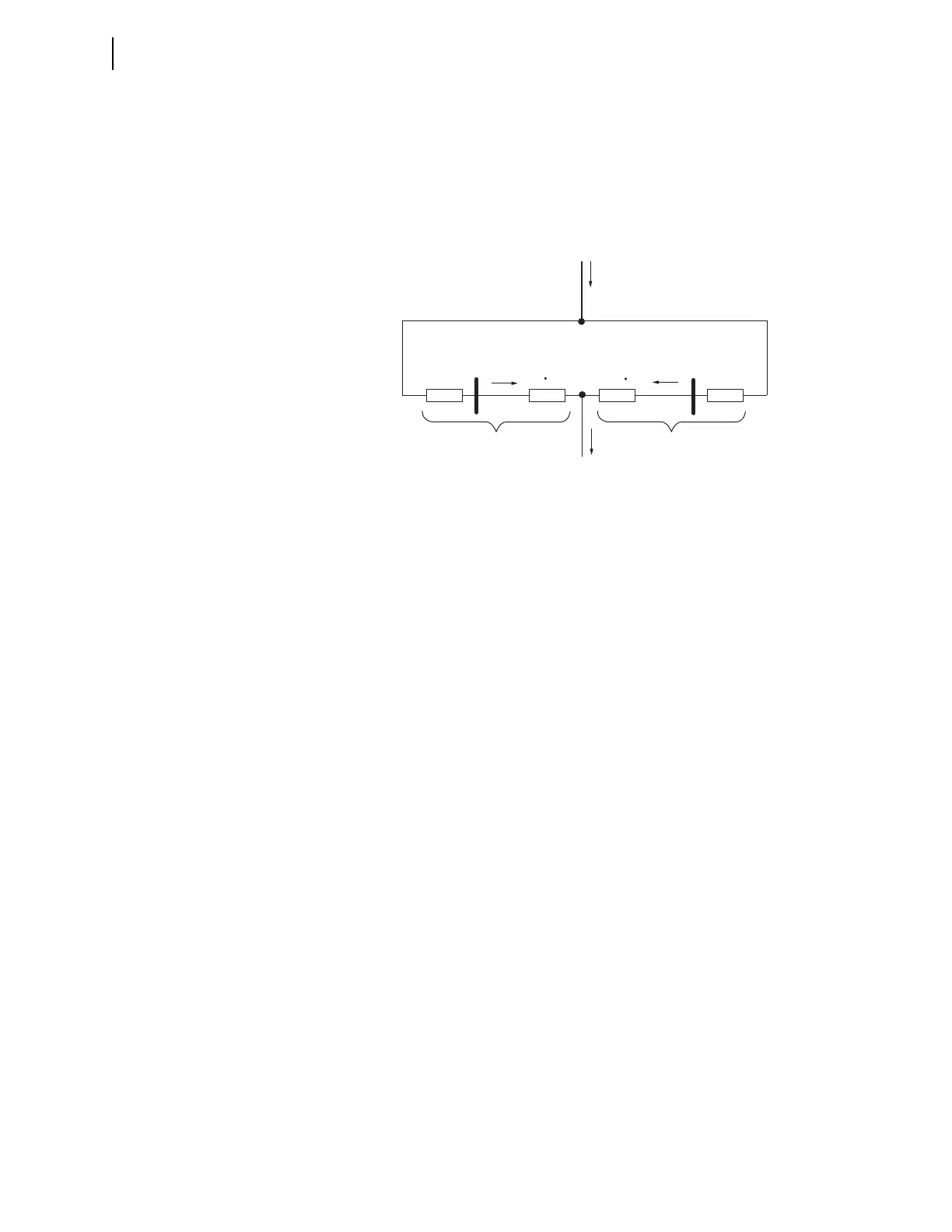
Figure 6.6 defines whether the negative- or zero-sequence network is homogeneous.
Z
LEFT
is the total impedance up to the fault (F) on the left-hand side, while
Z
RIGHT
is the total impedance up to the fault on the right-hand side. A network is
homogeneous with respect to the particular fault location if Equation 6.12 is satisfied:
Equation 6.13
Use Equation 6.14 and Equation 6.15 to determine the zero-sequence and nega-
tive-sequence homogeneity:
Equation 6.14
Equation 6.15
The values T
0
and T
2
represent how much the apparent fault impedance (Z
F
)
measured by relay tilts up or down (electrical degrees) because of the nonhomo-
geneity of the corresponding network for a fault at location m (see Figure 6.7).
Figure 6.6 Definition of Homogeneous Network
Z
LEFT
Z
RIGHT
S
I
F
I
F
I
FS
I
FR
Z
S
Z
R
m Z
L
(1—m) Z
L
R
F
X
LEFT
R
LEFT
-----------------
X
RIGHT
R
RIGHT
--------------------=
T
0
arg
Z
0S
Z
0L
Z
0R
++
1m– • Z
0L
Z
0R
+
--------------------------------------------------
=
T
2
arg
Z
1S
Z
1L
Z
1R
++
1m– • Z
1L
Z
1R
+
--------------------------------------------------
=


 To Next Page