6.77
Date Code 20171021 Instruction Manual SEL-421 Relay
Protection Applications Examples
345 kV Tapped Overhead Transmission Line Example
Select the second option because a 52A contact is available. The relay uses both
open-phase detection and status information from the circuit breaker to make the
most secure decision.
EPO := 52. Pole-Open Detection (52, V)
Pole-Open Time Delay on Dropout
The setting 3POD establishes the time delay on dropout after the Relay Word bit
3PO deasserts. This delay is important when you use line-side potential trans-
formers for relaying. Use the 3POD setting to stabilize the ground-distance ele-
ments in case of pole scatter during closing of the circuit breaker(s).
3POD := 0.500. Three-Pole Open Time Dropout Delay (0.000–60 cycles)
DCB Trip Scheme
This application example uses DCB trip scheme. In this scheme high-speed trip-
ping occurs during internal autotransformer faults when the communications
channel is not available.
The DCB trip scheme consists of the following three sections:
➤ Starting elements
➤ Coordination timers
➤ Extension of the blocking signal
Starting Elements
You can select nondirectional elements (NSTRT), directional elements (DSTRT),
or both to detect out-of-section faults behind the local terminal. These elements
send a blocking signal to Station R to prevent unwanted tripping during out-of-
section faults. Nondirectional elements are always faster than directional ele-
ments, because directional elements need additional time to process the direc-
tional decision. Select both types of elements for this application.
Assign Relay Word bit NSTRT (Nondirectional Start) to OUT102 to start trans-
mission of the blocking signal. NSTRT asserts if Level 3 residual ground over-
current element (50G3) picks up. However, Relay Word bit STOP has priority
over Relay Word bit NSTRT. If a Z2P, Z2G, or 67G2 assert, the relay halts trans-
mission of the blocking signal that nondirectional overcurrent elements started.
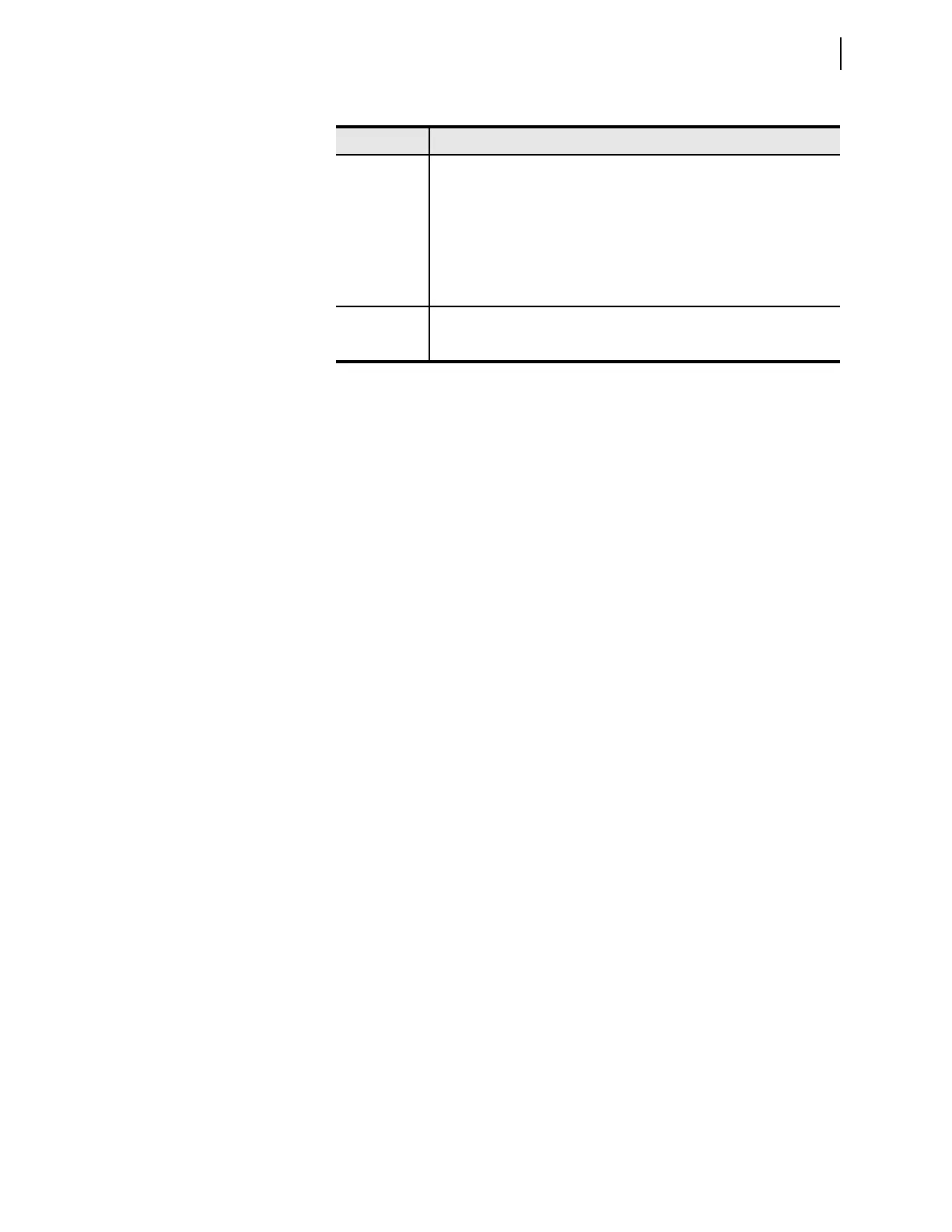
Table 6.19 Options for Enabling Pole-Open Logic
Option Description
EPO := V The logic declares a single-pole open if the corresponding phase undervolt-
age element asserts and the open-phase detection logic declares the pole is
open. Select this option only if you use line-side potential transformers for
relaying purposes. A typical setting for the 27PO, pole-open undervoltage
threshold, is 60 percent of the nominal line-to-neutral voltage.
Do not select this option when shunt reactors are applied because the volt-
age slowly decays after the circuit breaker opens. With this option selected,
the relay can incorrectly declare LOP during a pole-open condition if there
is charging current that exceeds the pole-open current threshold.
EPO := 52 The logic declares a single-pole open if the corresponding 52A contact
(e.g., 52AA1) from the circuit breaker deasserts and the open-phase detec-
tion logic declares that the pole is open.


 To Next Page